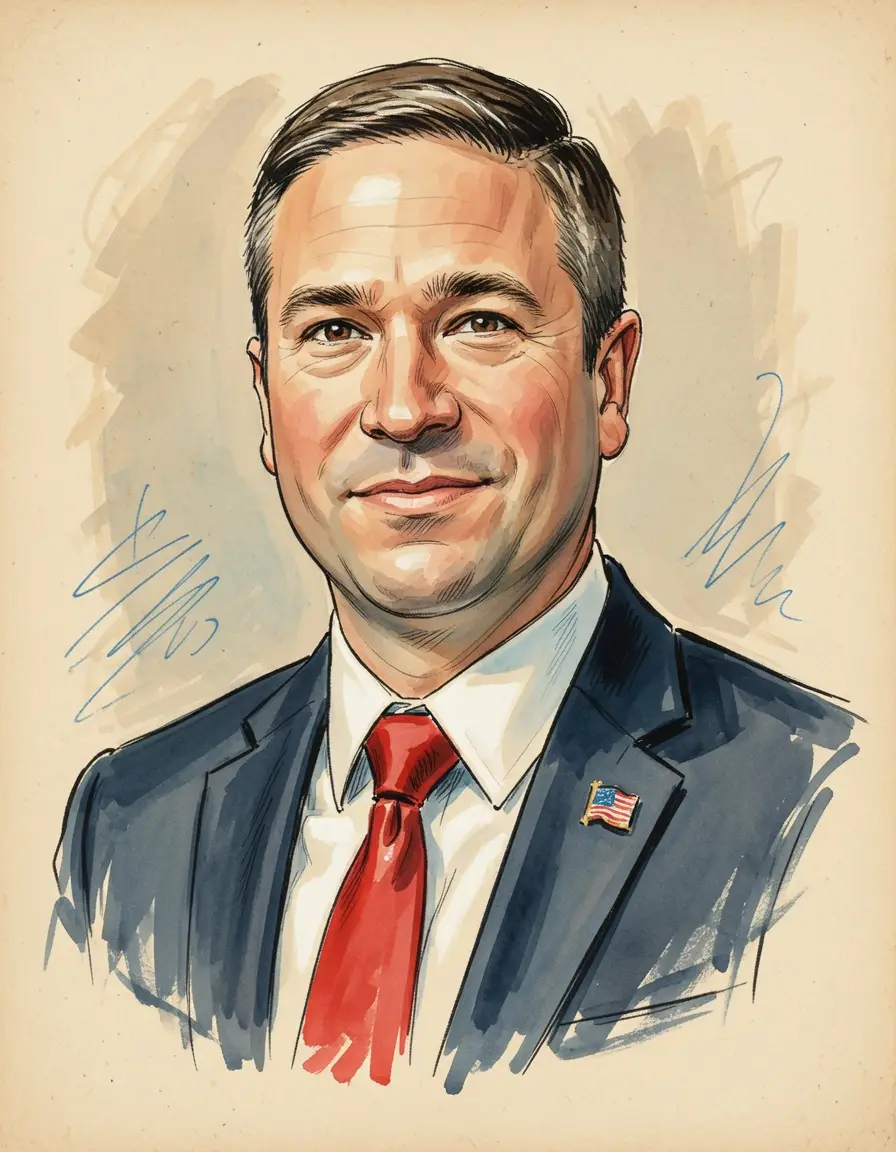
Andrew Bailey on Crypto
TL;DR
Andrew Bailey views unbacked crypto as risky investments, but sees a vital role for well-regulated stablecoins that mirror trusted money forms.
Key Points
He sees crypto assets as having two distinct forms: unbacked assets like Bitcoin, which are treated as risky investments, and stablecoins.
As FSB Chair, Andrew Bailey called for frameworks for stablecoins to be developed to ensure they operate effectively and safely across borders, warranting close monitoring.
He has suggested that stablecoins intending to be used for payments should be backed by risk-free assets and possess insurance to cover operational risks like cyberattacks.
Summary
Andrew Bailey, in his capacity as the Governor of the Bank of England and Chair of the Financial Stability Board (FSB), maintains a nuanced but firm position on crypto assets, drawing a sharp distinction between unbacked cryptocurrencies like Bitcoin and stablecoins used for payments. He classifies unbacked crypto as a volatile investment asset with no intrinsic value, frequently warning the public to be prepared to lose their entire investment should they purchase it. This skepticism is rooted in the view that such assets fail the fundamental test of money: maintaining nominal value to support the 'singleness of money' within the financial system.
Conversely, his stance on stablecoins is more evolved, moving toward accepting their potential for innovation in payments, provided they adhere to strict regulatory standards akin to money. He has called for widely used stablecoins to be regulated like money and suggests they should be backed by risk-free assets and be freely exchangeable with other forms of money, not solely through crypto exchanges. This regulatory focus extends to requiring measures such as insurance for operational risks like cyberattacks, showing an openness to their function if safety and financial stability concerns are mitigated.
Key Quotes
Crypto of the Bitcoin variety falls into the risky investment category, whereas stablecoins used for retail and wholesale payments, rather than just to support crypto trading, fall into the money category, or should do.
I see crypto as taking two forms: unbacked assets of the Bitcoin sort, and backed assets of the Stablecoin sort.
Frequently Asked Questions
Andrew Bailey's position on stablecoins is that they should be regulated like money if they are to be widely used for payments. He believes they must maintain the assurance of nominal value, which he terms the 'singleness of money,' to be acceptable. He has also suggested stablecoin issuers should carry insurance for operational risks.
Yes, Andrew Bailey's view has evolved, particularly regarding stablecoins. While he has long been skeptical of unbacked cryptocurrencies like Bitcoin, he has softened his skepticism towards stablecoins, recognizing their potential to drive innovation in payments. This shift indicates an openness to their role within a robust regulatory framework.
Andrew Bailey explicitly states that Bitcoin does not possess the characteristics of money because it fails to maintain nominal value. He categorizes Bitcoin as a risky investment asset with no real asset backing. Consequently, he maintains a strong 'buyer beware' stance for anyone considering purchasing it.
Sources10
Evolution of private credit markets and stablecoins warrant close monitoring, says FSB Chair
Challenges to financial stability - speech by Andrew Bailey
Bank of England stablecoins: Andrew Bailey on why the UK will likely regulate digital money
Widely used stablecoins need be regulated like money, BoE's Bailey says
Bailey joins calls for alignment of global crypto regulations
Meet the Fellows: Andrew Bailey
Boe’s Bailey Softens Skepticism on Future Role of Stablecoins
Bank of England Governor suggests stablecoins need insurance
The Bank of England on crypto: legitimate concerns or fear of irrelevance?
* This is not an exhaustive list of sources.