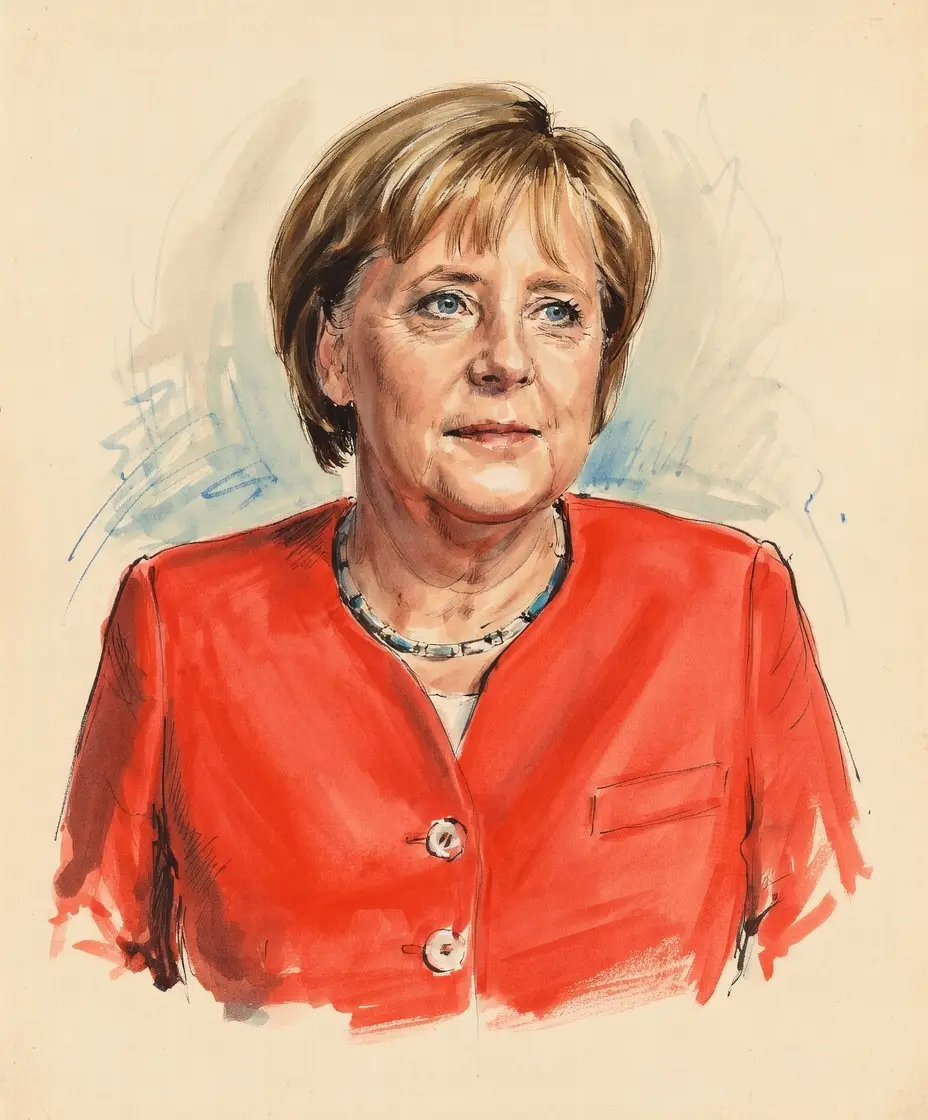
Angela Merkel on Education
TL;DR
Angela Merkel strongly supported the digital transformation of education and lifelong learning initiatives within Germany.
Key Points
She supported the 'Digital Education Initiative' launched by the Federal Ministry of Education and Research.
Merkel stressed the necessity of digital learning methods for maintaining German competitiveness in 2016.
The former Chancellor received an honorary doctorate from Tel Aviv University, acknowledging her contributions to education and science.
Summary
Angela Merkel’s position on education was primarily characterized by a strong focus on its modernization, particularly through digitalization. She highlighted the importance of adapting educational structures to the demands of the digital age, emphasizing that digital skills are crucial for future competitiveness and societal participation. Evidence of this commitment includes backing initiatives aimed at integrating digital media and modern learning methods into the school system. She viewed technology as a necessary tool to enhance learning opportunities across different levels of education.
Her perspective often framed education as a key component of broader European and economic strategy, linking investment in learning to maintaining Germany's standing in the global landscape. This support extended to recognizing education as a continuous process, advocating for better opportunities in adult education and vocational training to ensure citizens can adapt to evolving job markets. This proactive stance demonstrated a commitment to future-proofing both the populace and the national economy through enhanced learning infrastructure.
Key Quotes
Because education and research are and will remain the key to economic prosperity.
Anyone who doesn't accept that is in the wrong place here.
Frequently Asked Questions
Angela Merkel's main focus regarding education was the comprehensive digitalization of learning environments in Germany. She consistently advocated for modernizing educational content and methods to meet the challenges of the digital era. This included supporting federal initiatives to equip schools and learners with necessary digital tools and skills.
Yes, she strongly supported the concept of lifelong learning throughout her tenure. Merkel believed that education should not stop after formal schooling, emphasizing the need for continuous professional development and adult education. This was seen as vital for workers to adapt to technological and economic changes.
The former Chancellor viewed education as integral to European cooperation and strengthening the continent's future. She often tied educational investment to themes of European unity and global competitiveness. Her perspective linked national educational success to a broader European vision.
Sources4
Speech by Federal Chancellor Angela Merkel on receiving an honorary doctorate from Tel Aviv University
Initiative “Digital Education”
New Digital Education Initiative in Germany supported by Chancellor Merkel
Angela Merkel Education Policies, The Economy & AI
* This is not an exhaustive list of sources.