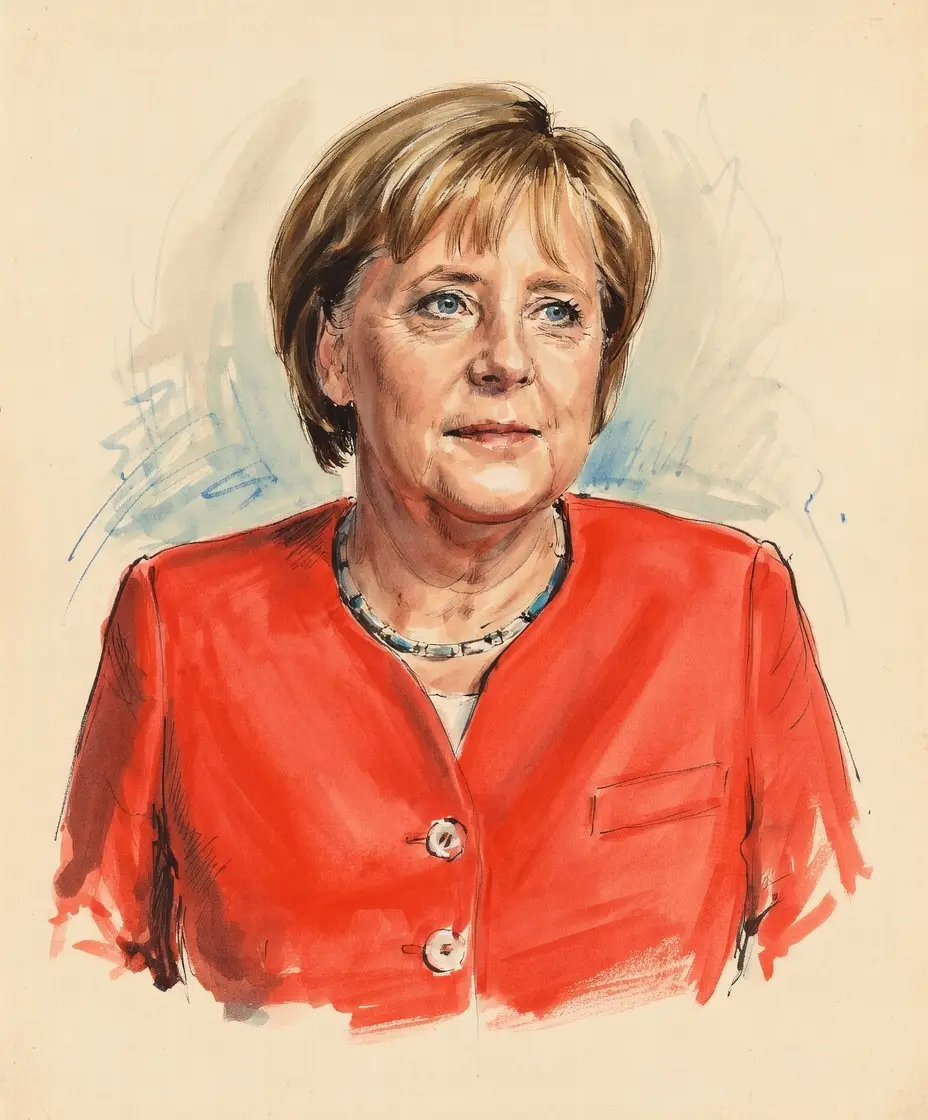
Angela Merkel on Greece
TL;DR
Angela Merkel strongly backed Greece's Eurozone membership while demanding strict adherence to fiscal reform programs.
Key Points
She stated clearly that she wanted Greece to remain inside the Eurozone during a 2012 press conference.
Her initial reluctance toward Greece during the sovereign debt crisis later turned into support following intense negotiations.
A former Greek Prime Minister appears as one of the protagonists in her recently published memoirs.
Summary
Angela Merkel's position concerning Greece was primarily defined by her commitment to preserving the integrity of the Eurozone during the sovereign debt crisis, a commitment she frequently termed a 'matter of destiny.' Her core stance required Athens to implement severe austerity measures and structural reforms in exchange for successive international bailout loans, positioning her as the leading advocate for conditionality within the European Union. This approach was often perceived as unyielding by the Greek public, though she later expressed regret over the harshness of the terms imposed, particularly regarding the impact on families and social cohesion.
Over time, her position evolved from initial reluctance and skepticism toward providing aid to becoming a staunch supporter of Greek solvency within the single currency bloc. This evolution was particularly visible as the crisis deepened, leading to moments where she threw a lifeline to the nation rather than allowing a disorderly exit. The former Chancellor’s memoirs later reflected on the intense pressure and the dramatic nature of the 2015 referendum call, which initially left her speechless but ultimately resulted in her pressing for a negotiated outcome that kept Greece in the euro.
Frequently Asked Questions
Angela Merkel's main focus was ensuring Greece remained a solvent member of the Eurozone, which she viewed as non-negotiable for the stability of the single currency. To achieve this, she insisted on strict adherence to agreed-upon fiscal consolidation and reform programs dictated by international lenders.
Yes, her stance evolved from initial hesitancy regarding bailouts and strong adherence to austerity to a more pragmatic acceptance of the need for continued support. By the end of her tenure, she expressed some regret regarding the social cost of the necessary reforms imposed on the Greek people.
The call for a referendum in 2015 reportedly left Angela Merkel speechless, as it threatened to derail all preceding agreements and potentially lead to a Greek exit from the Eurozone. Despite this shock, she engaged in the subsequent high-stakes negotiations to secure a deal.
Sources9
Greece’s former PM one of the protagonists in Merkel’s memoir
Merkel: Referendum call in 2015 left her speechless
Reflections on Angela Merkel’s Career as Chancellor of Germany and the Greek Financial Odyssey
Greece Bids Merkel Bittersweet Farewell
Angela Merkel Throws Greece a Lifeline
The crisis manager: Angela Merkel’s double-edged European legacy
Merkel ignores Trump’s attention-seeking and focuses on real EU problems
Germany and the Sovereign Debt Crisis: How Angela Merkel’s Initial Reluctance Towards Greece Turned into Her Support
“I would like Greece to stay inside the Eurozone,” said Angela Merkel at the press conference
* This is not an exhaustive list of sources.