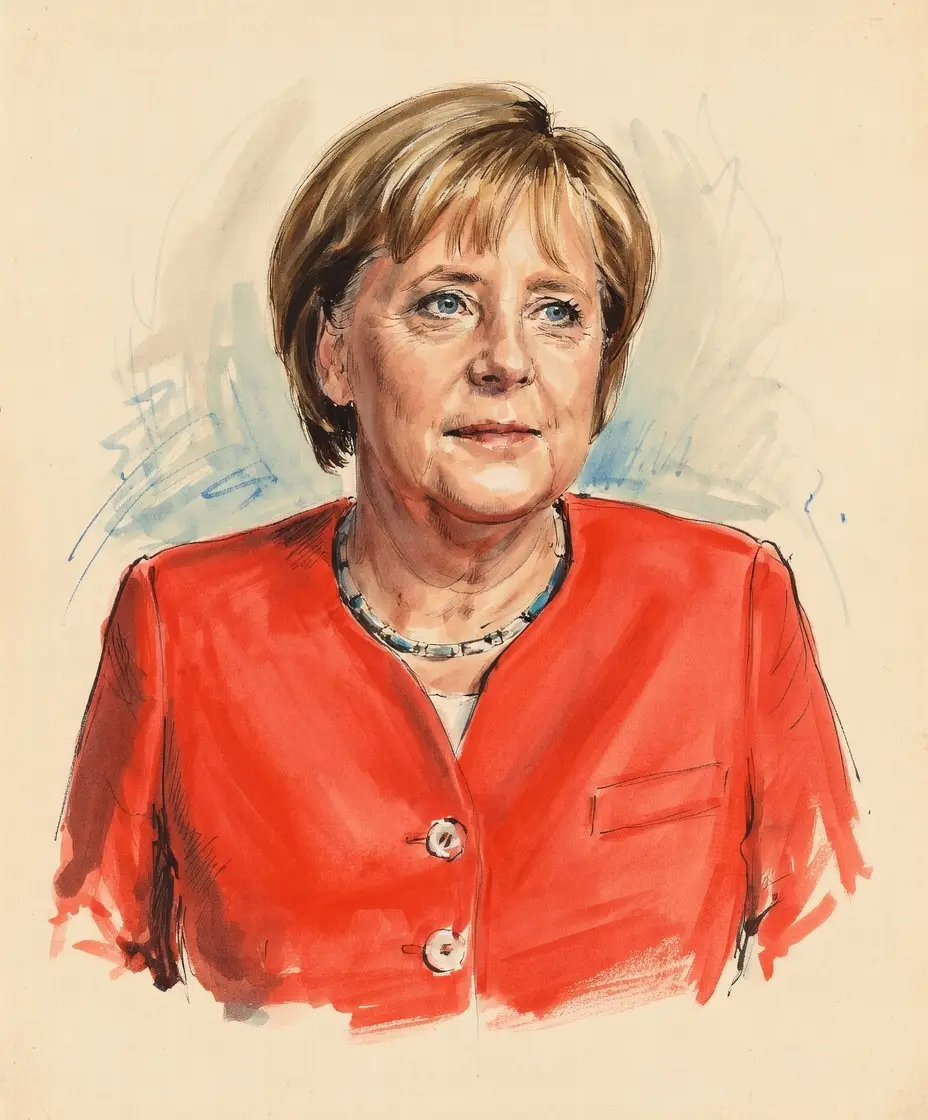
Angela Merkel on NATO Expansion
TL;DR
Angela Merkel opposed immediate NATO membership for Ukraine and Georgia in 2008, favoring compromise over confrontation with Russia.
Key Points
She resisted offering Ukraine and Georgia a Membership Action Plan at the 2008 Bucharest NATO Summit, though the declaration stated they would eventually join.
Merkel viewed the Minsk agreements as a necessary pause intended to give Ukraine time to improve its finances and military capabilities.
In 2008, upon being warned by the Russian president against Ukraine's future membership, her immediate thought was a retort about his own limited time in power.
Summary
Angela Merkel consistently maintained a cautious and pragmatic stance regarding NATO expansion, particularly concerning Ukraine and Georgia's aspirations for membership. The core of her position crystallized at the 2008 Bucharest NATO Summit, where she reportedly opposed granting an immediate Membership Action Plan (MAP) to either country, fearing it would be perceived by the Kremlin as a "declaration of war". She ultimately agreed to a compromise statement that affirmed future membership possibilities but omitted the immediate MAP, viewing this as necessary to avoid splitting the alliance, a priority for her at that time.
Her approach was rooted in a belief that engagement and negotiation with Russia were crucial for European security, even if it meant slowing down the pace of NATO's eastward movement. Later, Merkel indicated that the Minsk agreements, which she strongly advocated for, were partly intended to buy Ukraine time to strengthen its military and finances, acknowledging that a military solution was an illusion. This posture has since been critically viewed by some as contributing to the environment that enabled Russia's later aggression.
Frequently Asked Questions
Angela Merkel was against granting Ukraine immediate membership or a Membership Action Plan (MAP) in NATO, particularly at the 2008 Bucharest Summit. She believed that offering a clear path to membership at that time would be perceived by Russia as a hostile act, akin to a declaration of war.
While her opposition to immediate membership for Ukraine remained consistent since 2008, her perspective on managing relations with Russia evolved. She later viewed the Minsk agreements, which paused immediate NATO movement, as a means to allow Ukraine to become militarily stronger.
Merkel avoided offering a direct causal link between NATO expansion and the 2022 invasion. Instead, she emphasized that her diplomatic efforts, like the Minsk agreements, were aimed at averting war and that a military solution for Ukraine against Russia was an illusion.
Sources5
Angela Merkel on Minsk, NATO and averting war; and more
Angela Merkel defends ties with Russia and blocking ...
Ukraine–NATO relations
nytimes.com
On NATO Expansion and Russia's Actions in Ukraine
* This is not an exhaustive list of sources.