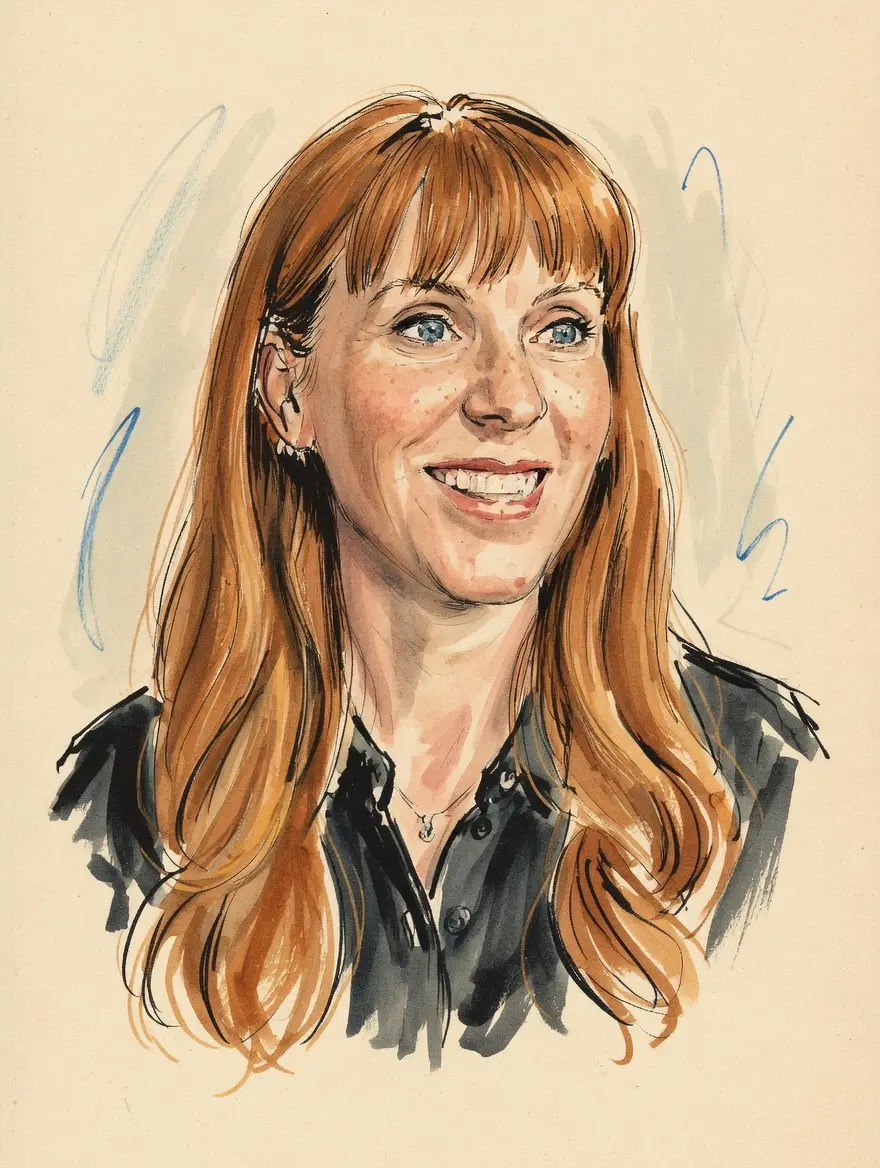
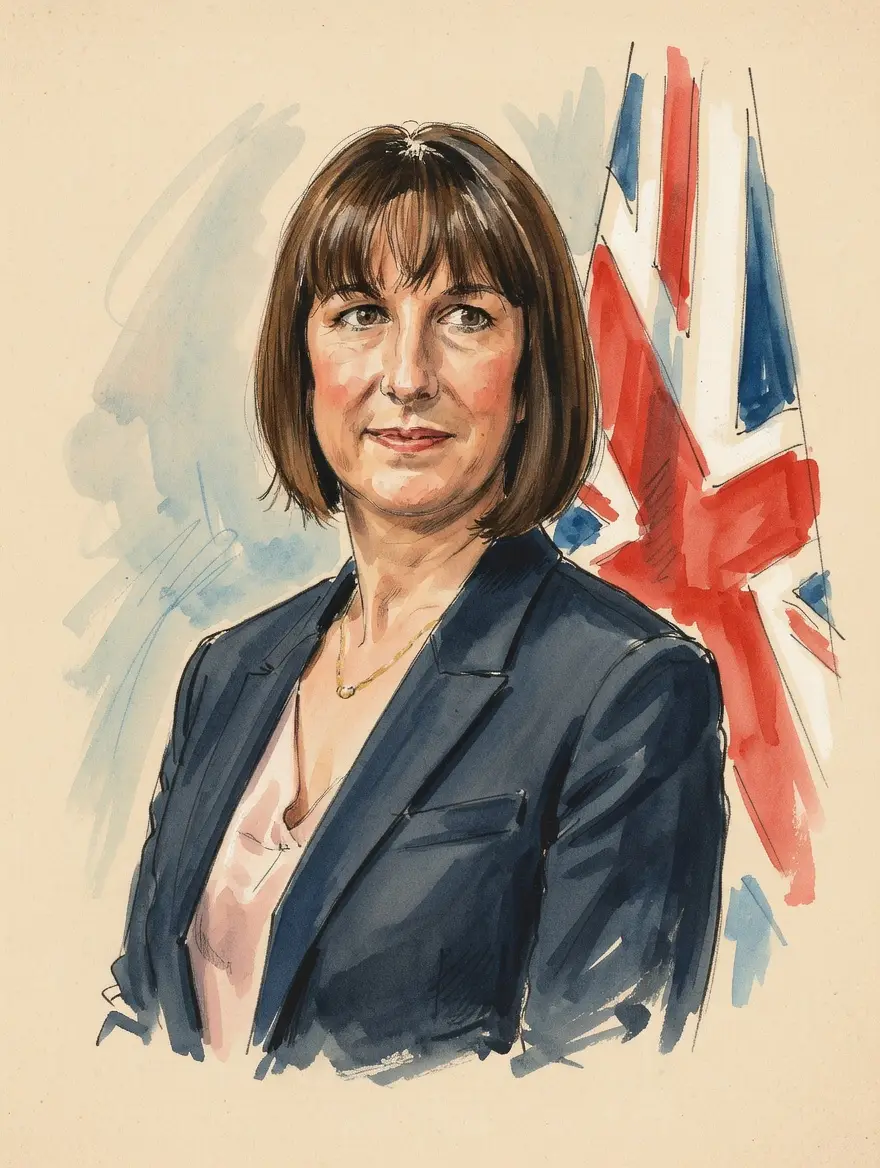

TL;DR
Angela Rayner has publicly diverged from Chancellor Rachel Reeves on tax policy, advocating for pro-business measures.
Key Points
She urged Rachel Reeves to consider eight potential tax measures, including reinstating the pensions lifetime allowance, prior to the March spring statement.
Angela Rayner has publicly criticised the Chancellor's high taxes and rule changes on businesses, framing herself as more pro-business in February 2026.
Following political upheaval, Chancellor Rachel Reeves remained in post while Angela Rayner resigned from her government roles in September 2025.
Summary
Angela Rayner's position on Rachel Reeves is characterised by clear, public divergence on economic and tax policy, positioning herself to the right of the Chancellor. Rayner has actively communicated with entrepreneurs, arguing that Reeves's high taxes and rule changes on businesses are damaging confidence and threatening their ability to stay afloat. This divergence was starkly illustrated when the Deputy Prime Minister urged the Chancellor to consider several wealth tax rises before a key fiscal statement, proposals which were ultimately not adopted.
This public disagreement suggests an evolution in Rayner’s stance, potentially reflecting a left-wing internal grouping within the party, or a strategic move to present a more pro-business image ahead of potential leadership challenges. While Rayner's advocacy for higher taxes on the wealthy contrasts with her simultaneous criticism of the Chancellor's business impact, the fact that Reeves remained in her post following political turmoil while Rayner departed suggests a power differential in economic governance.
Key Quotes
Over the last few weeks, I've spoken candidly with businesses in my own constituency, and many beyond it, and they say it's a huge challenge that they're facing, and it's a challenge just to stay afloat.
Frequently Asked Questions
Angela Rayner's position on Rachel Reeves has involved publicly advocating for different economic policies, particularly regarding business taxation. She has expressed concerns about the impact of the Chancellor's policies on businesses, urging a pragmatic approach to costs and support. This has created visible policy tension between the two senior Labour figures.
The available information suggests Angela Rayner has taken a more distinct and public stance on economic policy compared to Rachel Reeves over time. She reportedly urged the Chancellor to adopt certain revenue-raising measures, indicating a past willingness to push for different tax approaches. Her later public critique of the Chancellor's business taxation further suggests an evolution or firming up of a distinct economic position.
Angela Rayner reportedly urged Rachel Reeves to consider increasing wealth taxes ahead of the Spring Statement, though these specific proposals were not adopted. Later, Rayner launched what was described as an 'astonishing attack' on the Chancellor's taxes, claiming they were crippling British high streets and demanding more support for businesses.
Sources4
Angela Rayner goes, Rachel Reeves stays: What's next for UK markets?
Angela Rayner launches scathing attack on Rachel Reeves piling more pressure on Starmer
Rayner urged Reeves to consider wealth tax rises before spring statement
Why Rachel Reeves survives while Rayner fell - New Statesman
* This is not an exhaustive list of sources.