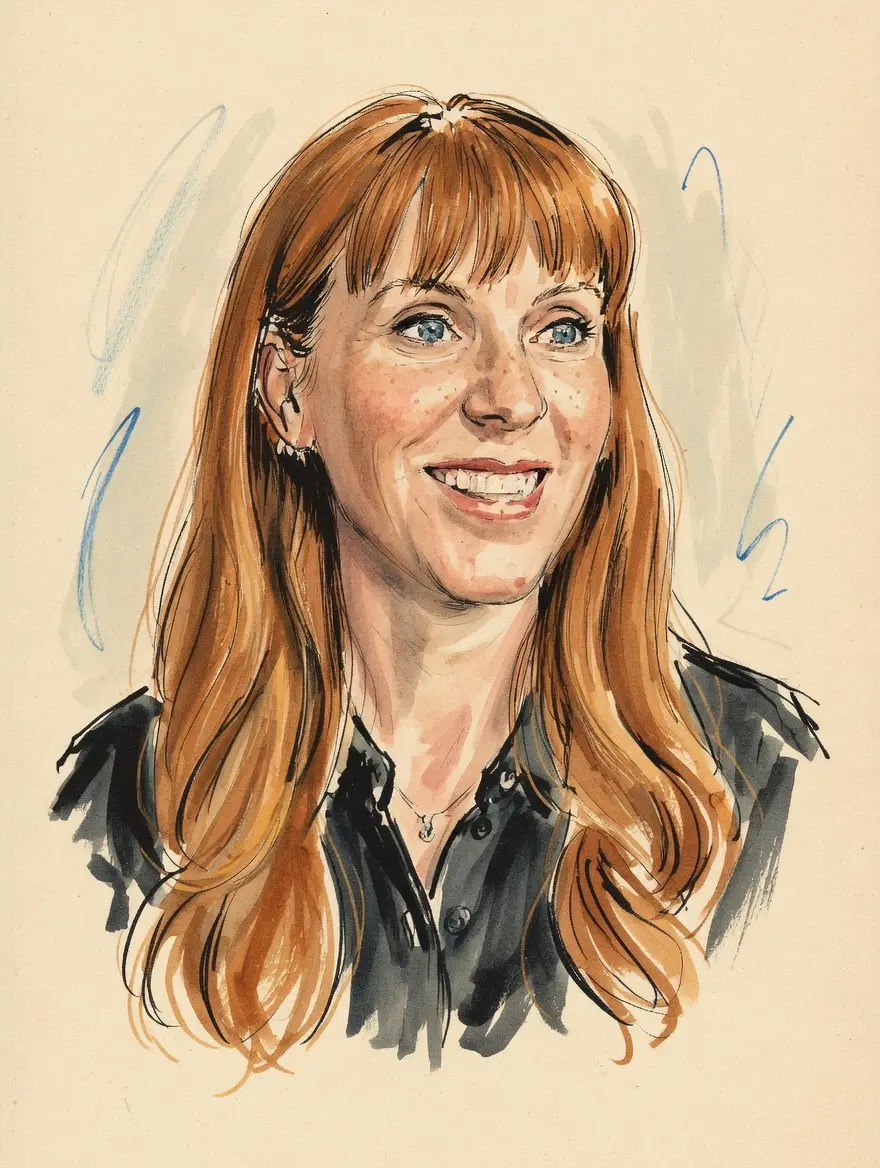
Angela Rayner on Wes Streeting
TL;DR
Angela Rayner's relationship with Wes Streeting is characterized by reports of underlying leadership rivalry and political tension within the party.
Key Points
Reports have suggested Rayner allies are concerned about Streeting potentially blocking her leadership path.
She was noted to have made an honest mistake on stamp duty, which Streeting later corrected or addressed publicly.
Their political standing is frequently juxtaposed against each other in coverage concerning future Labour leadership contests.
Summary
Angela Rayner's political relationship with Wes Streeting is frequently portrayed in the media as one defined by an underlying, though often downplayed, leadership rivalry. Reports suggest that Rayner's allies view Streeting as a potential obstacle to any future leadership ambitions she might harbor, especially in the event of the current leader’s departure. This narrative is fueled by speculation about future internal party dynamics, positioning the two as key figures with potentially competing trajectories within the Labour Party structure.
Despite the framing of competition, both figures currently occupy high-ranking roles within the Shadow Cabinet, implying a functional, if sometimes strained, working partnership in the present. While there have been public instances of the pair appearing unified on policy, much of the coverage focuses on alleged behind-the-scenes maneuvering or subtle ideological differences. The perception is that Rayner maintains a position of pragmatic alliance while navigating the political landscape where Streeting is often seen as a central, and sometimes competing, figure of authority.
Key Quotes
“There is no vacancy and there is no pact.”
“Angela Rayner would rather stick pins in her eyes.”
Frequently Asked Questions
Angela Rayner’s position is publicly one of professional cooperation within the Shadow Cabinet structure. However, media speculation frequently suggests an underlying tension or rivalry between the two senior figures.
While both have key roles, significant political reporting suggests an element of competition exists, particularly regarding future leadership succession. Rayner's allies are sometimes reported to view Streeting as a significant political hurdle.
Public criticism has been rare, with both often presenting a unified front on major policy issues. When disagreements occur, such as on specific tax policy, they are often framed as technical corrections rather than fundamental oppositional stances.
Sources6
Angela Rayner is Wes Streeting’s biggest obstacle to PM
Angela Rayner made an honest mistake on stamp duty - Wes Streeting
Angela Rayner plot for comeback to stop Streeting coronation if Starmer falls
Angela Rayner facing calls for Labour leadership challenge to stop Wes Streeting coronation
Angela Rayner: Labour leadership row deepens as allies take aim at Wes Streeting
Angela Rayner’s bid to stop Wes Streeting and secure Labour leadership
* This is not an exhaustive list of sources.