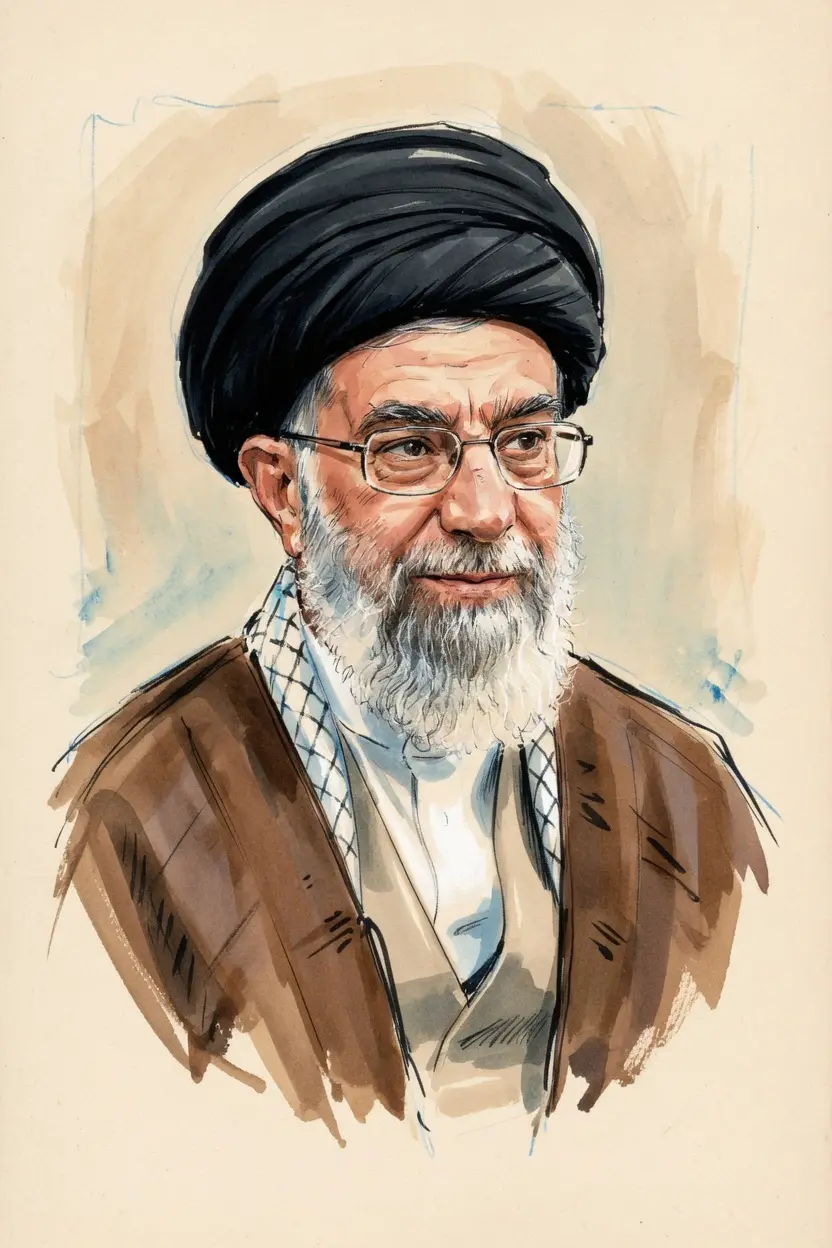
Ayatollah Ali Khamenei on Succession in Iran
TL;DR
Ayatollah Ali Khamenei seeks a successor who ensures the Islamic Republic's system continuity while avoiding a pre-death power vacuum.
Key Points
The Assembly of Experts is constitutionally mandated to elect the successor upon vacancy.
He has reportedly overseen a secret vetting committee within the Assembly of Experts to identify candidates.
Publicly naming a successor is avoided as it could undermine his current authority by creating a rival.
Summary
Ayatollah Ali Khamenei’s core position regarding succession is that the process must adhere to constitutional mandates while prioritizing the preservation and stability of the Islamic Republic system above all else. He reportedly oversees a confidential committee within the Assembly of Experts tasked with vetting candidates, aiming to ensure the chosen successor aligns ideologically and politically with the regime's core principles. Historically, any public designation of a successor risks creating a rival and dual power structure, a lesson learned from the difficulties faced after the passing of the revolution’s founder.
This process is heavily influenced by the desire to maintain the current institutional balance, especially concerning the powerful Islamic Revolutionary Guard Corps (IRGC), which seeks assurances regarding its status under new leadership. While the Assembly of Experts formally elects the next leader, Khamenei’s oversight through the vetting committee suggests that the final recommendation will likely be a product of his careful selection, designed to prevent fragmentation and maintain the established clerical and security state architecture.
Frequently Asked Questions
Ayatollah Ali Khamenei's position centers on ensuring the seamless continuity of the Islamic Republic system upon his departure. He works to ensure the next Supreme Leader maintains ideological orthodoxy and preserves the current institutional power structures. This requires careful management to prevent a destabilizing power vacuum before his death.
While the necessity for succession planning is constant, the approach appears driven by precedent, notably avoiding the explicit designation that caused issues for his predecessor. Public statements emphasize adherence to the Assembly of Experts’ constitutional role, though the underlying goal of system preservation remains a consistent theme.
The Supreme Leader generally keeps the process highly confidential, although he has reportedly urged the Assembly of Experts to have several potential candidates identified. His actions suggest a preference for a candidate who can maintain the established political and security alliances, particularly with the IRGC, without precipitating an immediate internal challenge to his own authority.
Sources10
A wartime succession in Iran: why the IRGC backed ...
The death of Iran's Supreme Leader Ayatollah Ali ...
Khamenei's Succession Dilemma: To Name or Not ...
The looming battle for succession in Iran
Khamenei's Son or Other Clerics? How Iran Picks Its Next ...
The Curse of Succession in Iran
Who Will Succeed Ayatollah Ali Khamenei & Become Iran's ...
* This is not an exhaustive list of sources.