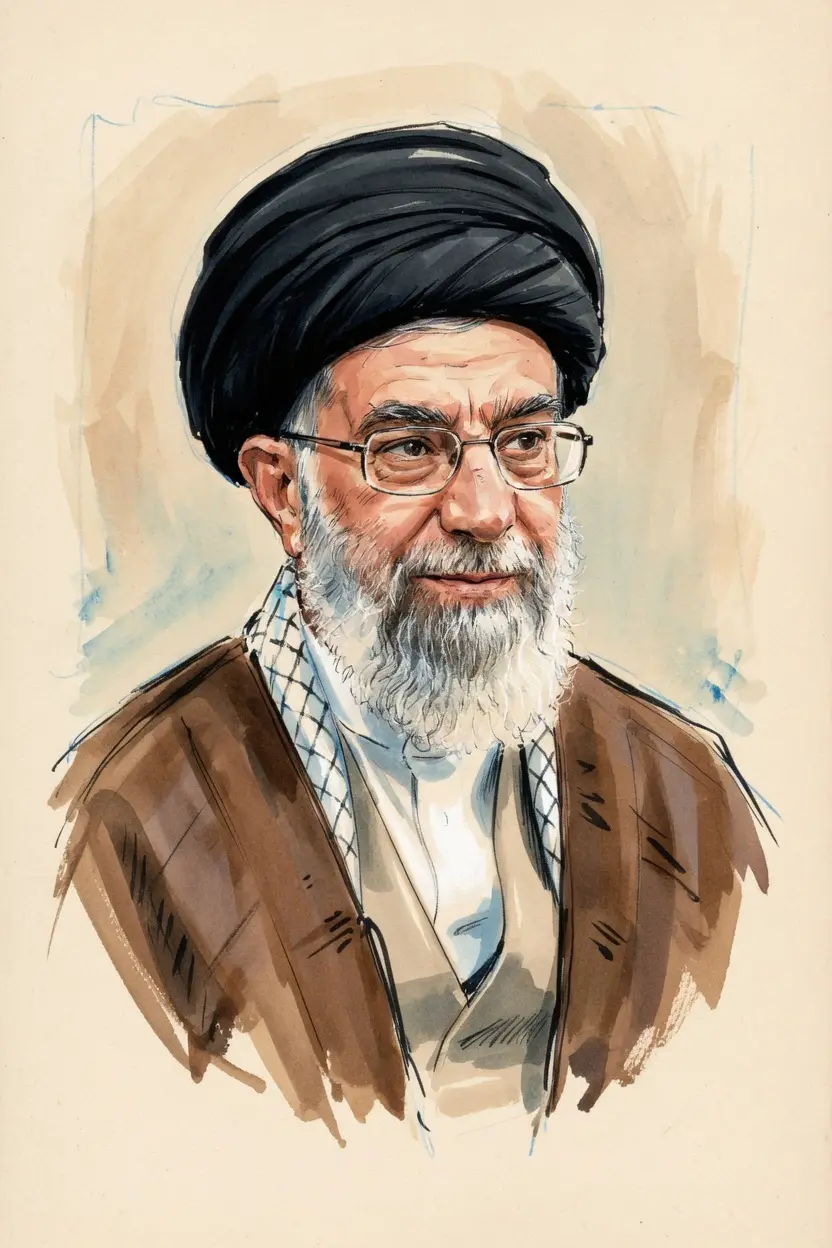
Ayatollah Ali Khamenei on Vladimir Putin
TL;DR
Ayatollah Ali Khamenei viewed the Russian President as a strategic partner against shared Western adversaries, prioritizing geopolitical alignment.
Key Points
The Supreme Leader viewed the Russian President as a crucial partner in confronting the United States and its allies.
Following the Iranian leader's death, the Russian President characterized the event as a cynical murder violating international law in March 2026.
The strategic alignment facilitated deepening military and economic cooperation between Tehran and Moscow outside of Western frameworks.
Summary
Ayatollah Ali Khamenei, as the Supreme Leader of Iran, maintained a pragmatic and strategically aligned relationship with Vladimir Putin, viewing the Russian leader as an essential counterweight to Western influence, particularly the United States. This alignment was rooted in mutual opposition to American global hegemony and was a core tenet of Iranian foreign policy aimed at strengthening non-Western alliances. Evidence of this deep alignment often materialized in coordinated diplomatic stances on regional conflicts and shared interests in international forums, suggesting Khamenei consistently endorsed Putin’s role in challenging the existing global order.
The relationship’s primary implication was the deepening of military and economic cooperation between the two nations, often conducted outside the oversight of Western powers. While the Supreme Leader saw the Russian President as a necessary, powerful ally, the context of this partnership was always one of national interest rather than ideological kinship. Furthermore, following the sudden death of the Iranian leader, the Russian President publicly condemned the killing as a cynical violation of morality and international law, highlighting the mutual dependency that defined their tenure.
Frequently Asked Questions
Ayatollah Ali Khamenei regarded Vladimir Putin as a key strategic partner whose primary value was in acting as a strong counterweight to Western influence. This position was rooted in a shared geopolitical goal of challenging American dominance on the world stage. The relationship prioritized practical alignment over shared ideology.
Khamenei’s view was generally positive in the context of strategic necessity, positioning the Russian President as a vital ally against shared adversaries. However, this assessment was purely pragmatic, serving Iran's national interests in a multipolar world. The relationship was transactional, focused on cooperation against common rivals.
Following the Iranian leader's death in March 2026, Vladimir Putin was among the first world leaders to respond, condemning the killing. The Russian President described the event as a cynical murder that violated both morality and international law. This reaction underscored the significance of the partnership to the Kremlin.
Sources8
Why Khamenei's killing hit Putin where it hurts - POLITICO
Khamenei's Killing "Cynical Violation Of Morality ...
Putin calls the death of Iran's Ali Khamenei, a 'cynical murder'
Russia Condemns Deadly Attacks on Iran While Weighing ...
Russia loses key ally leader as Putin slams Khamenei ' ...
✉️ President of Russia Vladimir Putin expressed deepest ...
Khamenei's death revives Putin's worst fears
Putin slams killing of Iran's Khamenei but offers little ...
* This is not an exhaustive list of sources.