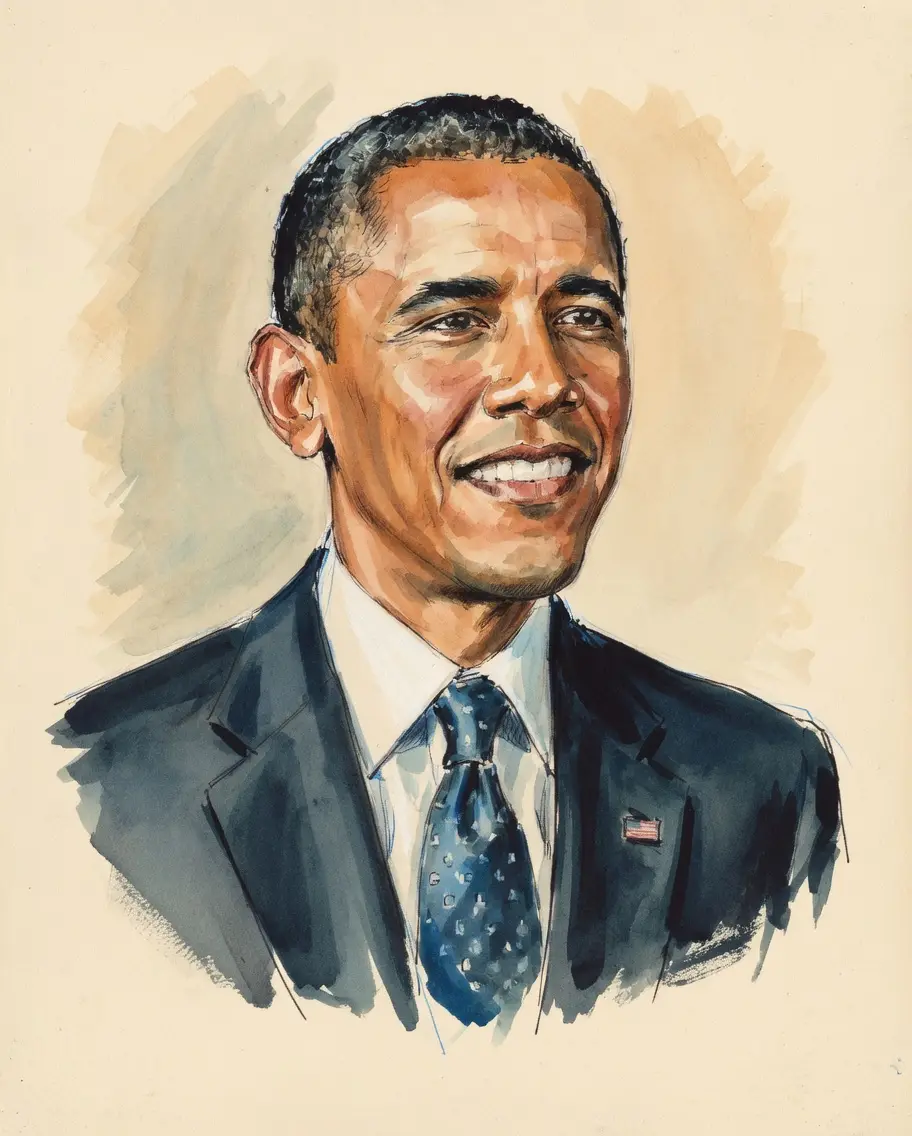
Barack Obama on Iran
TL;DR
Barack Obama prioritized diplomacy to constrain Iran's nuclear program through a landmark deal while maintaining sanctions on other activities.
Key Points
He signed the Comprehensive Iran Sanctions, Accountability, and Divestment Act in July 2010 to expand economic pressure over the nuclear program.
On January 16, 2016, Implementation Day of the JCPOA, the IAEA verified Iran met its initial nuclear obligations, leading to sanctions relief.
The administration engaged in renewed diplomatic outreach following the 2013 election of President Hassan Rouhani, culminating in a telephone call in September 2013.
Summary
Barack Obama's position on Iran during his presidency was primarily defined by a strategic pivot toward diplomacy aimed at preventing the nation from acquiring a nuclear weapon. He championed the Joint Comprehensive Plan of Action (JCPOA), which the United States and other world powers reached with Tehran in July 2015, in exchange for the lifting of nuclear-related international sanctions. This agreement significantly extended Iran's breakout time for obtaining fissile material, as verified by the International Atomic Energy Agency, marking what he viewed as a major diplomatic achievement to avert military conflict. He often framed this engagement as a commitment to diplomacy that addresses serious differences through mutual respect and constructive ties.
However, the administration maintained a dual-track approach; while sanctions related to the nuclear program were lifted, numerous other U.S. sanctions targeting Iran's ballistic missile activities, support for terrorism, and human rights abuses remained in place. His administration also faced internal and external criticism regarding his initial handling of the 2009 Green Movement protests, a moment he later admitted was a mistake not to support more publicly due to fears of undermining the movement's credibility domestically. Furthermore, relations were fraught with ongoing tensions, including military posturing over the Strait of Hormuz and the contentious settlement over frozen assets, which saw the U.S. transfer $1.7 billion in cash to Tehran in January 2016.
Key Quotes
To the Muslim world, we seek a new way forward, based on mutual interest and mutual respect. To those leaders around the globe who seek to sow conflict, or blame their society's ills on the West—know that your people will judge you on what you can build, not what you destroy. To those who cling to power through corruption and deceit and the silencing of dissent, know that you are on the wrong side of history; but that we will extend a hand if you are willing to unclench your fist.
In retrospect, I think that was a mistake. Every time we see a flash, a glimmer of hope, of people longing for freedom, I think we have to point it out. We have to shine a spotlight on it . We have to express some solidarity about it.”
Frequently Asked Questions
Barack Obama's main achievement was negotiating the Joint Comprehensive Plan of Action (JCPOA), the landmark nuclear deal reached in July 2015. This accord placed significant, verifiable restrictions on Iran’s nuclear program in exchange for substantial international sanctions relief. He viewed this as the best path to prevent Iran from acquiring a nuclear weapon without resorting to military force.
No, his policy evolved over time; he initially favored diplomacy but later implemented strong sanctions after unsuccessful negotiations and following Iran's brutal suppression of the 2009 Green Movement protests. While he championed the JCPOA for diplomacy, he also authorized cyber operations like Stuxnet against the nuclear infrastructure.
Relations were tense, marked by longstanding grievances and concerns over Iran's nuclear activities. The president offered initial outreach based on mutual respect, but this was challenged by events like the disputed 2009 election protests in Iran.
Sources7
The Historic Deal that Will Prevent Iran from Acquiring a Nuclear Weapon | The White House
Iran–United States relations during the Obama administration - Wikipedia
The Evolution Of Obama's Iran Policy - Foreign Policy Association
The United States, Iran, and $1.7 billion: Sorting out the details | Brookings
Obama Admits Mistake Of Not Supporting Iran Protests In 2009
What Is the Iran Nuclear Deal? | Council on Foreign Relations
Obama Sends Video Message to Iran | PBS News Hour Classroom
* This is not an exhaustive list of sources.