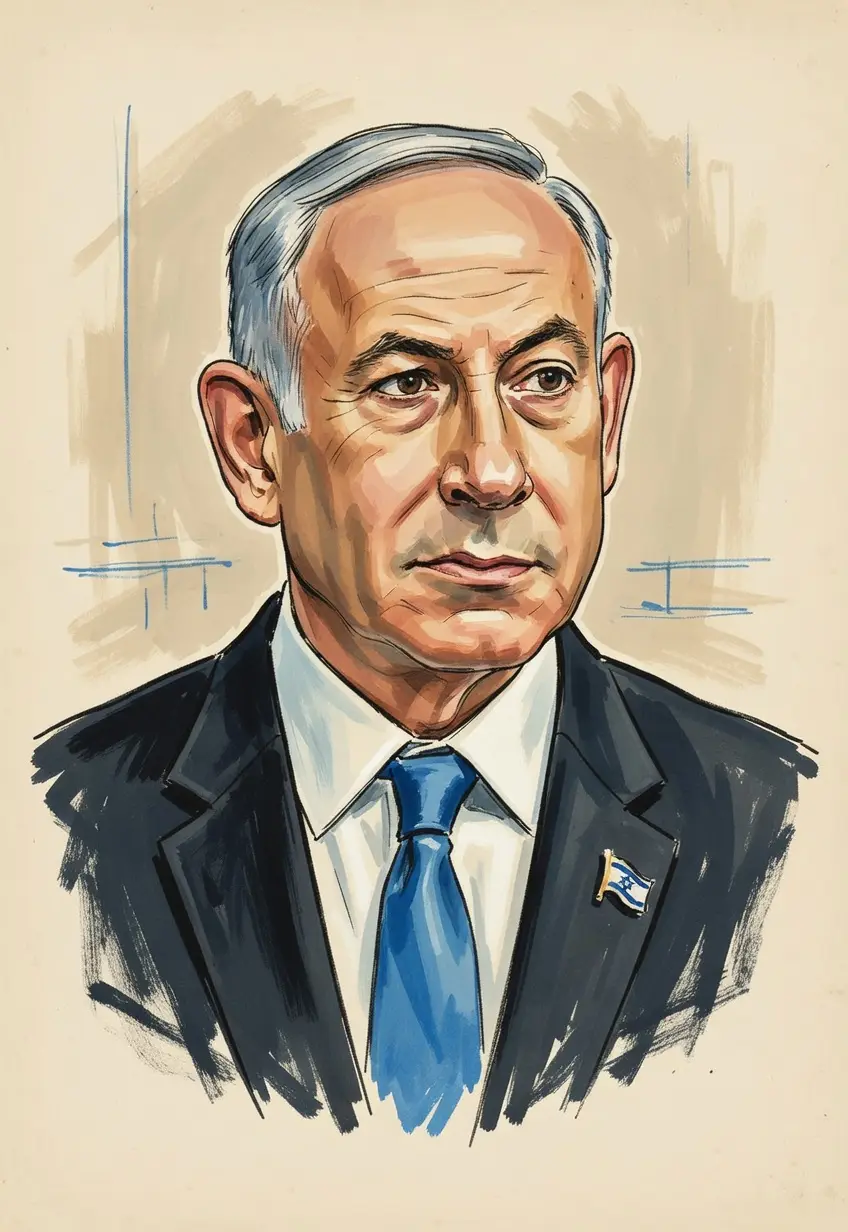
Benjamin Netanyahu on Judicial Reform
TL;DR
Benjamin Netanyahu strongly advocates for broad judicial reforms aimed at shifting the balance of power back to elected officials.
Key Points
He announced the firing of the Defense Minister on March 26, 2023, after the minister called for a pause in the judicial reform legislation.
Following mass protests, the Prime Minister announced a pause in considering the reforms on March 27, 2023, but vowed they would still pass in some form.
A law was passed by the Knesset on March 27, 2025, giving politicians more power over the appointment of judges, which critics called an 'anti-democratic' measure.
Summary
Benjamin Netanyahu's administration has championed sweeping judicial reforms intended to significantly reduce the authority of the Supreme Court and increase political influence over the judiciary. Proponents, including the Justice Minister, argue these measures are necessary to 'restore balance' because the court is perceived to have overstepped its bounds by frequently invalidating legislation using subjective standards like 'reasonableness'. The core of the proposed changes involved limiting the court's review power, allowing the Knesset to override decisions with a simple majority, and granting the governing coalition greater control in appointing judges.
Despite facing massive national protests and significant international concern over democratic erosion, the Prime Minister has consistently vowed that reforms would pass in some form, even after announcing a temporary 'pause' in consideration following widespread domestic backlash. While he has been described as a populist whose actions prioritize self-preservation, his commitment to curtailing judicial independence remains a central plank of his government's agenda, which has also seen the passage of specific laws like one expanding control over judge appointments.
Frequently Asked Questions
Benjamin Netanyahu is a strong advocate for the judicial reforms, framing them as necessary to restore balance between the elected government and the judiciary. He argues that the Supreme Court has become overly powerful and needs its authority curtailed to reflect the will of the people.
Yes, his stance has shown an evolution in tactics, though not in core goal. While he initially pursued legislation aggressively, he announced a 'pause' in March 2023 amid intense public protest. However, he maintained a commitment to advancing the reforms in some capacity later on.
The Prime Minister and his allies contend that the existing judicial structure allows unelected judges to obstruct the efforts of elected officials. They believe the reforms are essential to ensure that the legislative branch, which represents the voters, has the final say on matters of law.
Sources6
What to Know About Israel's Judicial Reforms
Why does populist Netanyahu seek to reform Israel's judiciary? - ECPS
Israel's parliament passes law to expand control over judge appointments
Israel's Judicial Reforms: A Potential Danger to Democracy?
Netanyahu's judicial overhaul faces first legal challenge in Israeli Supreme Court
Whatever It Takes - The American Prospect
* This is not an exhaustive list of sources.