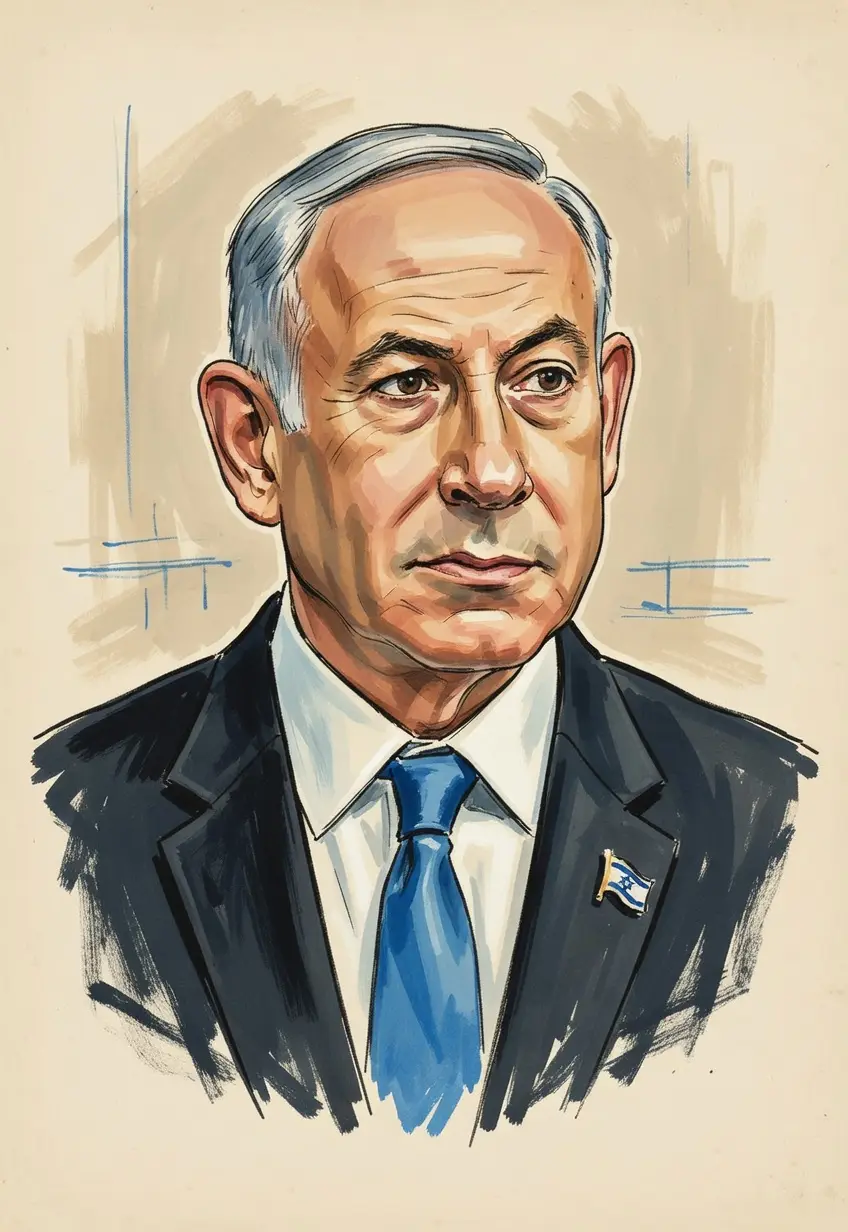
Benjamin Netanyahu on Putin
TL;DR
Benjamin Netanyahu has consistently maintained direct, high-level dialogue with Vladimir Putin to safeguard Israeli security interests.
Key Points
He confirmed in a Knesset debate that he talks to the Russian president regularly to safeguard Israeli interests.
In January 2026, the two leaders discussed Iran and the situation in the Middle East over a phone call.
Israel summoned the Ukrainian ambassador after the ambassador criticized remarks made by the Prime Minister regarding Putin.
Summary
Benjamin Netanyahu views his relationship with Vladimir Putin as a necessary channel for safeguarding Israel's vital security interests, particularly concerning Russian military activity in Syria and the presence of Iranian forces nearby. He has stressed the importance of regular communication with the Russian leader to coordinate actions and prevent misunderstandings in the complex operational theater of the region. This direct engagement is presented as a pragmatic necessity, even amid international tensions surrounding Russia's actions in Eastern Europe. The Prime Minister has stated he regularly speaks with Putin to ensure Israel maintains freedom of action.
This approach has involved sensitive diplomacy, including reportedly making requests to the Russian president regarding Iranian activity. The relationship has faced scrutiny, especially after criticisms from Ukrainian officials led to diplomatic friction when Israel summoned the Ukrainian ambassador following remarks about Netanyahu’s comments on Putin. Despite external pressures and historical shifts in the region, the policy has remained focused on maintaining a working relationship with the Kremlin for on-the-ground security management.
Key Quotes
As tomorrow marks Vladimir Putin's birthday, the Prime Minister of Israel gave the Russian President his best wishes.
Frequently Asked Questions
Benjamin Netanyahu prioritizes maintaining a direct line of communication with Vladimir Putin. This engagement is deemed crucial for coordinating security matters, especially regarding Russian air activity and Iranian influence in Syria. His position is one of pragmatic diplomacy over outright confrontation with the Russian leader.
The fundamental stance of maintaining direct contact with the Russian president for security coordination appears consistent across his recent terms. While specific tactical discussions change, the need for direct dialogue remains a constant factor in his foreign policy approach to Russia.
In early 2026, Netanyahu reaffirmed in a parliamentary debate that he regularly speaks with the Russian leader to manage security threats. Reports also indicated that he had discussed Iran with Putin during a recent phone conversation.
Sources7
In Knesset debate, Netanyahu says he regularly talks to Putin to safeguard Israel’s vital interests
Putin and Netanyahu discussed Iran by phone, Kremlin says
Putin and Netanyahu discussed Iran by phone, Kremlin says
On January 16, President of Russia Vladimir Putin and Prime Minister of Israel Benjamin Netanyahu discussed...
Netanyahu reportedly asks Putin to assure Iran of no Israeli attack plans
Israel summons Ukrainian ambassador for criticizing Netanyahu’s remarks about Putin
Hostage to His Own War: Putin Abrogates Russia’s Friendship With Israel
* This is not an exhaustive list of sources.