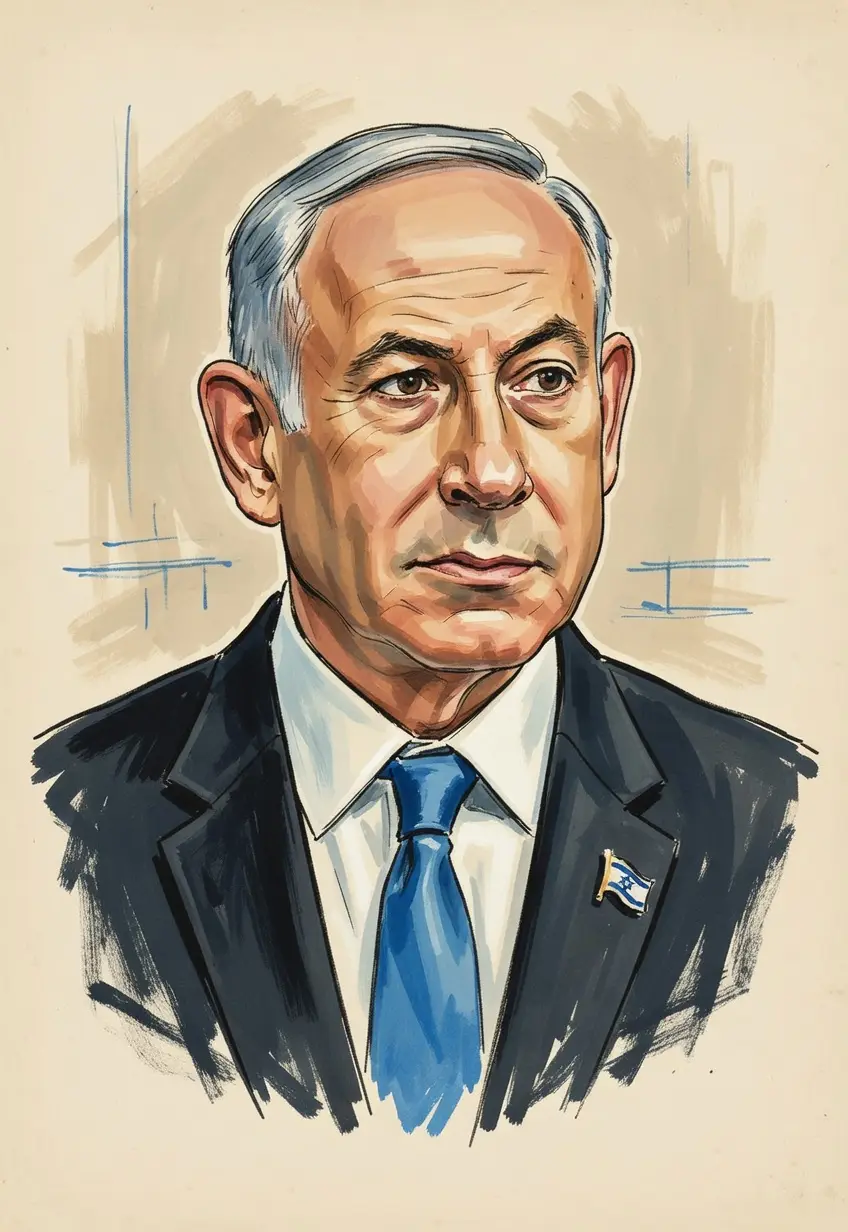
Benjamin Netanyahu on War
TL;DR
Benjamin Netanyahu views necessary military action, particularly against Iran, as a prolonged but essential means to ensure national security and deterrence.
Key Points
He asserted that a war against Iran might take some time but would not extend for years as of early March 2026.
His rhetoric suggests a strategic assessment that strikes against Iran would not necessarily trigger an 'endless war.'
He stated on a Monday that the United States and Israel share a common goal regarding a specific regional conflict.
Summary
Benjamin Netanyahu maintains a stance where military conflict, especially against regional adversaries like Iran, is considered a necessary tool for national defense and maintaining deterrence, even acknowledging that such conflicts may require significant time to resolve. He has publicly stated that a war against a specific adversary may take some time, though he anticipates it will not last for years, indicating a calculus that balances long-term strategic goals with a desire to manage the duration of hostilities. This position is framed within a broader security doctrine where preemptive or retaliatory strikes are viewed as vital to prevent greater threats to the nation.
This approach to war carries domestic political implications, as engaging in military action can sometimes bolster a leader's standing at home while simultaneously risking strained international relations and foreign criticism. His public statements often reflect an effort to control the narrative around any potential or actual conflict, ensuring his domestic base perceives decisiveness while attempting to reassure international partners about the limited scope or intended outcome of military operations. The perception is that he views military capability and the willingness to use it as foundational to Israel's security posture.
Frequently Asked Questions
Benjamin Netanyahu positions military action as a necessary component of national security and deterrence, particularly against existential threats. He is vocal about the need for decisive action when perceived threats mandate it. However, he often tries to frame such actions as limited in scope to prevent wider escalation.
His overall hawkish orientation regarding security threats has been consistent throughout his career, making a fundamental change in his view on the necessity of force unlikely. The context of specific conflicts, however, likely shapes the timing and scale of any military posture he adopts. His public messaging evolves based on immediate regional dynamics.
Benjamin Netanyahu indicated that while a war against Iran might require some time to conclude, he did not anticipate it would last for years. This statement reflects an effort to manage expectations regarding the potential commitment of resources and the duration of potential hostilities.
Sources5
Iran war may help Netanyahu at home but hurt Israel abroad
Netanyahu says war against Iran may take 'some time', but ...
Netanyahu says Iran strikes won't lead to 'endless war'
Israeli Prime Minister Benjamin Netanyahu said on ...
Netanyahu: Iran won't be 'endless war'
* This is not an exhaustive list of sources.