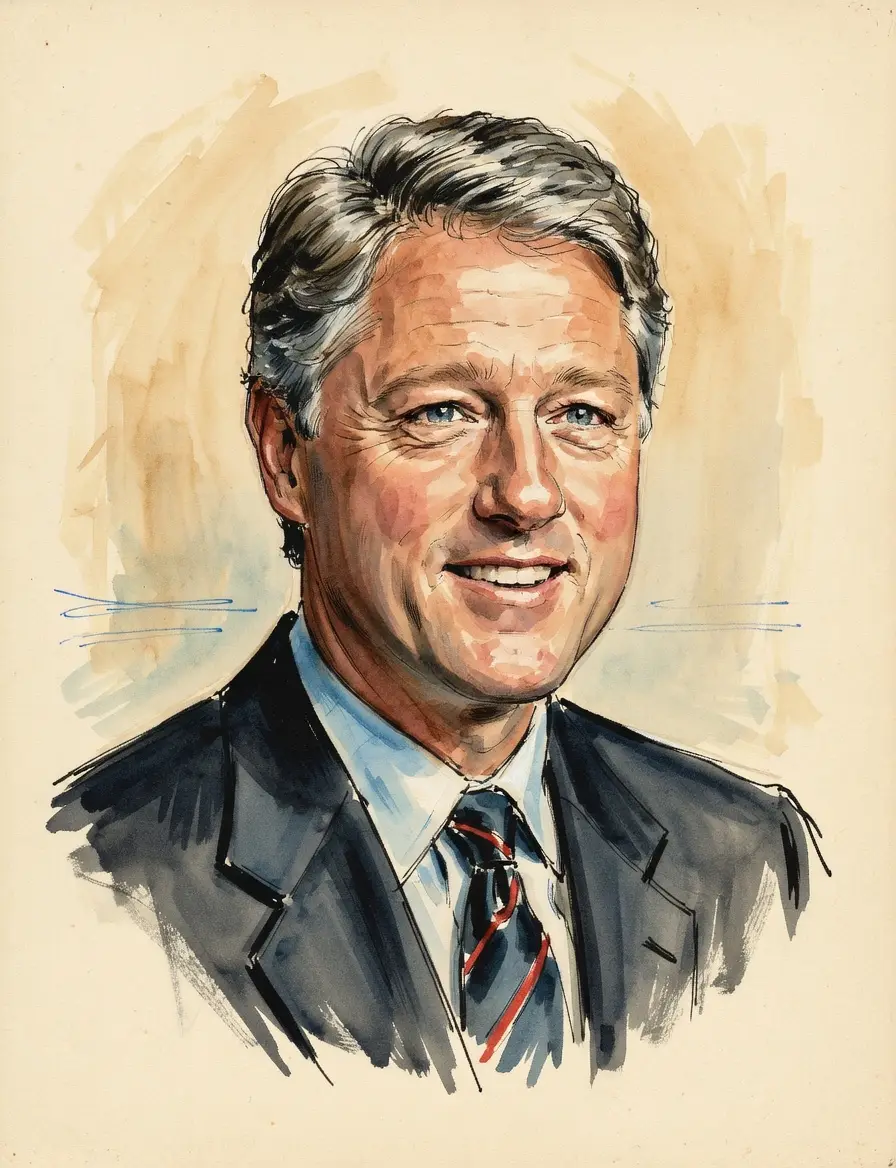
Bill Clinton on LGBT Rights
TL;DR
Bill Clinton’s position evolved from signing DOMA to later supporting marriage equality and non-discrimination protections.
Key Points
He signed the Defense of Marriage Act (DOMA) into law in 1996, defining marriage for federal purposes as between a man and a woman.
The President was the first to acknowledge gay and lesbian service members in the military with public statements.
In later years, Bill Clinton expressed regret for signing DOMA and became a supporter of marriage equality.
Summary
Bill Clinton's record on LGBT rights is characterized by key legislative actions during his presidency and a subsequent evolution in his public stance. His administration signed the Defense of Marriage Act (DOMA) into law in 1996, defining marriage for federal purposes as exclusively between one man and one woman, a policy that was implemented despite internal conflict within his administration. Simultaneously, the President was the first to acknowledge gay and lesbian service members in the military through public statements, signaling a complex and evolving approach to gay rights issues at the federal level.
In later years, the former president's stance visibly shifted toward greater support for the LGBT community. He expressed regret over signing DOMA and, by the 2010s, became an advocate for marriage equality and non-discrimination protections for LGBT individuals. This shift is often framed as a reflection of the broader Democratic Party's evolution, with his current position aligning with the modern party platform in supporting full equality.
Key Quotes
"Throughout my life I have strenuously opposed discrimination of any kind, including discrimination against gay and lesbian Americans. I am signing into law H.R. 3396, a bill relating to same-gender marriage, but it is important to note what this legislation does and does not do.
Frequently Asked Questions
No, Bill Clinton did not support same-sex marriage during his presidency. He signed the Defense of Marriage Act in 1996, which defined marriage federally as being between a man and a woman. His views on the issue evolved significantly after leaving office.
Yes, Bill Clinton’s position has evolved substantially since his time in office. While he enacted policies criticized by LGBT advocates, he later expressed regret for signing DOMA. He has since become a public supporter of marriage equality and non-discrimination protections.
Bill Clinton stated that ending discrimination against LGBT people is a pillar of his administration's goal. He expressed this view in later years, aligning his current platform with modern advocacy for full equality for the community.
Sources5
Defense of Marriage Act
DYK: President Bill Clinton was the first president to acknowledge gay and lesbian service members in the military?
Clinton says ending LGBT discrimination is pillar of administration
The Clintons' Legacy on Gay Rights
How the Clinton White House Handled DOMA In Their Own Words
* This is not an exhaustive list of sources.