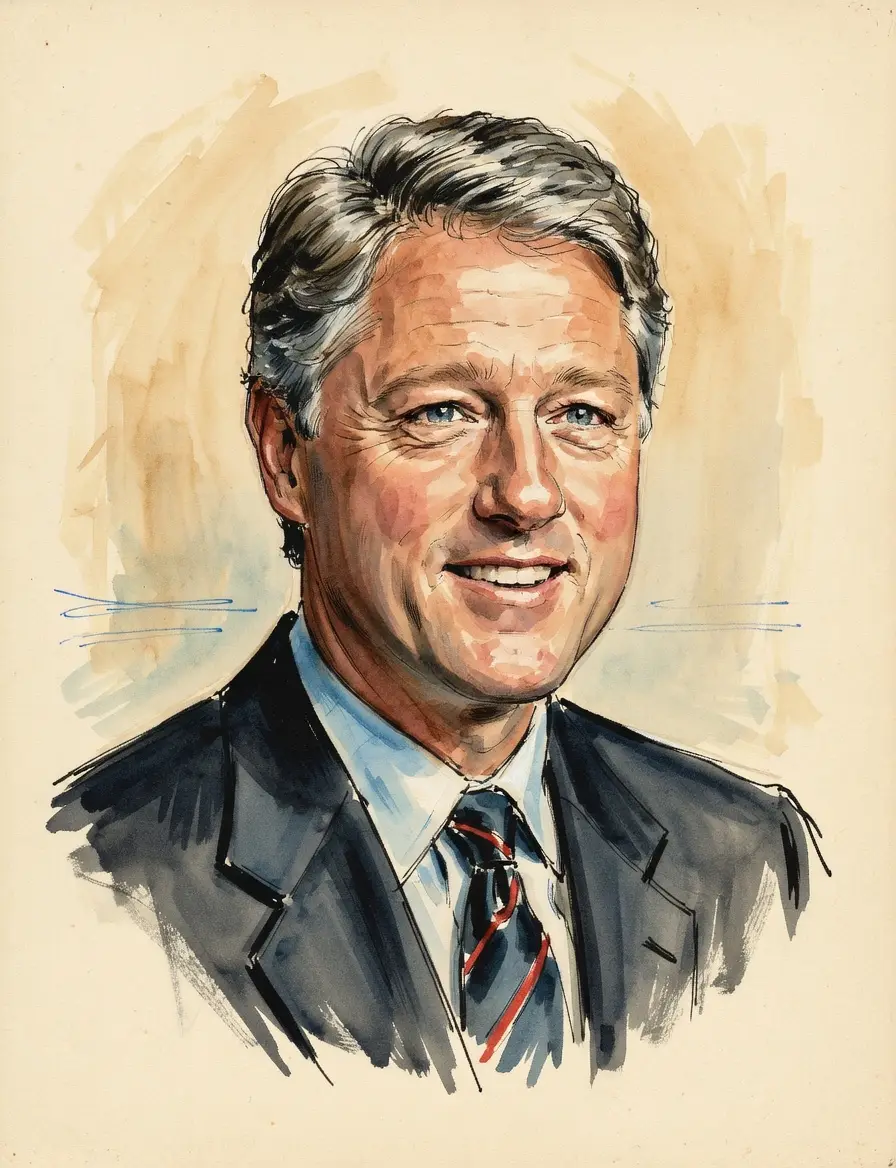
Bill Clinton on National Debt
TL;DR
Bill Clinton strongly prioritized fiscal discipline, which led to balanced budgets and the reduction of national debt held by the public.
Key Points
He took office when the national debt had been quadrupled in the 12 years prior.
His administration turned a $290 billion deficit into a $99 billion surplus by fiscal year 1999.
The administration announced in 1999 that the federal government would pay down over $87 billion in debt that year alone.
Summary
Bill Clinton's core position on national debt centered on achieving fiscal discipline to eliminate the persistent budget deficits that characterized the prior twelve years before his term. Upon taking office in 1993, he, alongside the Vice President, initiated an economic strategy emphasizing fiscal restraint, investment in people, and expanded trade, which resulted in the federal budget moving from a significant deficit to a surplus, beginning in fiscal year 1998. As a direct result of these surpluses, his administration began to actively pay down the national debt, achieving the largest reduction in the nation's history at the time.
This commitment to debt reduction was framed not just as an arithmetic necessity but as a means to create wealth and opportunity by lowering interest rates for families and businesses. He proposed a balanced budget that aimed to eliminate the entire debt by 2015 and actively opposed tax plans that would have drained the budget surplus before securing Social Security and paying down debt. His stated goal was to create a virtuous cycle of surpluses and low interest rates, contrasting sharply with what he termed the vicious cycle of deficits and high rates from past policies.
Frequently Asked Questions
Bill Clinton's primary goal regarding the national debt was to achieve fiscal discipline to eliminate the budget deficit inherited from previous years. He saw eliminating the deficit as crucial to lowering interest rates and fostering economic growth. His administration succeeded in achieving budget surpluses, which then allowed him to focus on paying down the debt held by the public.
During the later years of his presidency, Bill Clinton oversaw a reduction in the national debt held by the public due to budget surpluses. He claimed the administration paid down over $142 billion in debt over two years as of August 1999. While the total gross federal debt continued to rise due to trust fund accounting, the debt held by the public did decline during his final four fiscal years.
He was resolute in prioritizing debt reduction and saving entitlements like Social Security over immediate, large-scale tax cuts. Bill Clinton stated he would veto any plan that sought to drain the surplus to pay for new tax cuts before these core responsibilities were secured. He believed in using the surplus to refinance debt and then wipe the ledger clean.
Sources8
Economic policy of the Clinton administration - Wikipedia
President Bill Clinton enacted a bold plan that balanced the federal budget for...
PRESIDENT CLINTON: THE FIRST BUDGET SURPLUS IN A GENERATION
Remarks on Reducing the National Debt and an Exchange With Reporters
Bill Clinton says his administration paid down the debt - PolitiFact
Did Bill Clinton contribute to the 2008 financial crisis by "balancing the budget" during his term? : r/AskEconomics
Fact check: Clinton, Obama left federal government with a lower deficit than when they arrived
* This is not an exhaustive list of sources.