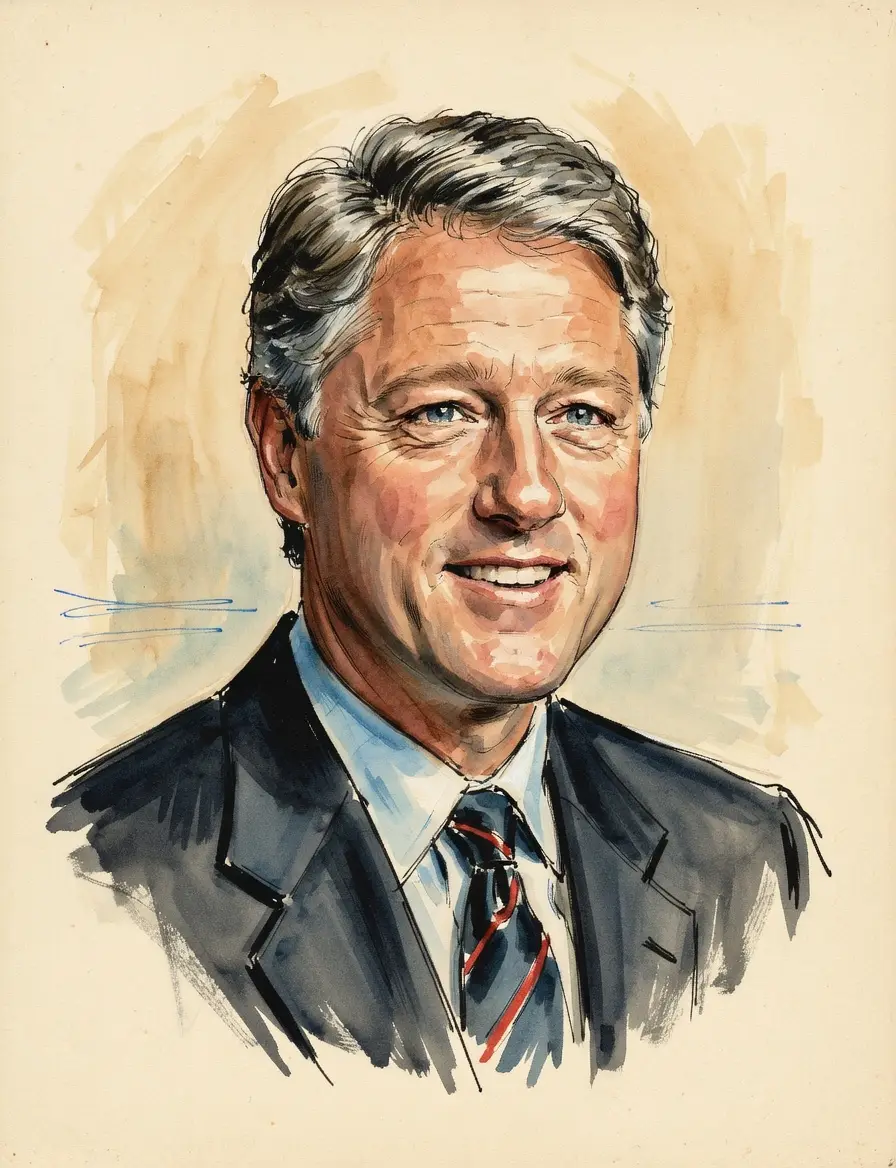
Bill Clinton on Rwanda Genocide
TL;DR
Bill Clinton's administration is heavily criticized for failing to intervene or act decisively during the 1994 Rwandan Genocide, a failure he later publicly regretted.
Key Points
The administration actively worked to block the reinforcement of the existing UN peacekeeping force (UNAMIR) in the initial weeks of the genocide.
In 1998, the former President admitted he did not "fully appreciate" the depth and speed of the terror, a claim later disputed by reports indicating officials knew the scale.
The former President led a delegation to Rwanda to mark the 30th anniversary of the genocide in April 2024, joining in commemoration events.
Summary
Bill Clinton's position regarding the 1994 Rwandan Genocide is characterized by profound criticism of his administration's inaction during the 100 days of mass slaughter. Before his presidency, the President had promised never to remain silent in the face of genocide, yet during the Rwandan crisis, reports indicate he "remained silent and paralyzed in the face of genocide," even as awareness of the scale grew into indisputable facts. Declassified documents suggest a deliberate stalling of United Nations efforts to intervene and a public refusal to use the term "genocide" to avoid triggering legal obligations to act, which one advisor noted could impact the upcoming election.
Since leaving office, the former President has frequently expressed regret, citing the Rwandan genocide as a major failure of his tenure and suggesting that an earlier intervention could have saved a significant portion of the lives lost. He has visited Rwanda to mark solemn anniversaries of the event, joining the country for commemoration ceremonies. However, critics maintain that his claims of not fully appreciating the speed and depth of the terror were lies, arguing that the administration knew the scale of the atrocities but prioritized avoiding commitment of American interests over intervention.
Frequently Asked Questions
Bill Clinton's position is one of deep regret regarding his administration's failure to intervene during the 1994 Rwandan Genocide. He has publicly called this inaction a failure of his presidency. His administration faced criticism for knowing about the atrocities but failing to take decisive action to stop them.
The former President's stance has evolved from initial inaction to one of expressed remorse. While his administration's policy was criticized for avoiding intervention, post-presidency statements acknowledge the failure and express sorrow for the lives lost that might have been saved.
After leaving office, Bill Clinton cited the Rwandan genocide as a major failure, stating that if the U.S. had intervened sooner, a significant portion of the estimated 800,000 victims could have been saved. He has subsequently attended memorial events in Rwanda to pay respects.
Sources5
Bill Clinton's Shameful Genocide Denial
America's secret role in the Rwandan genocide
1994 Rwanda Pullout Driven by Clinton White House, U.N. Equivocation
Why didn't Bill Clinton intervene in the Rwandan Genocide in 1994? : r/AskHistorians
Bill Clinton and other leaders join Rwandans in marking 30 years since their genocide
* This is not an exhaustive list of sources.