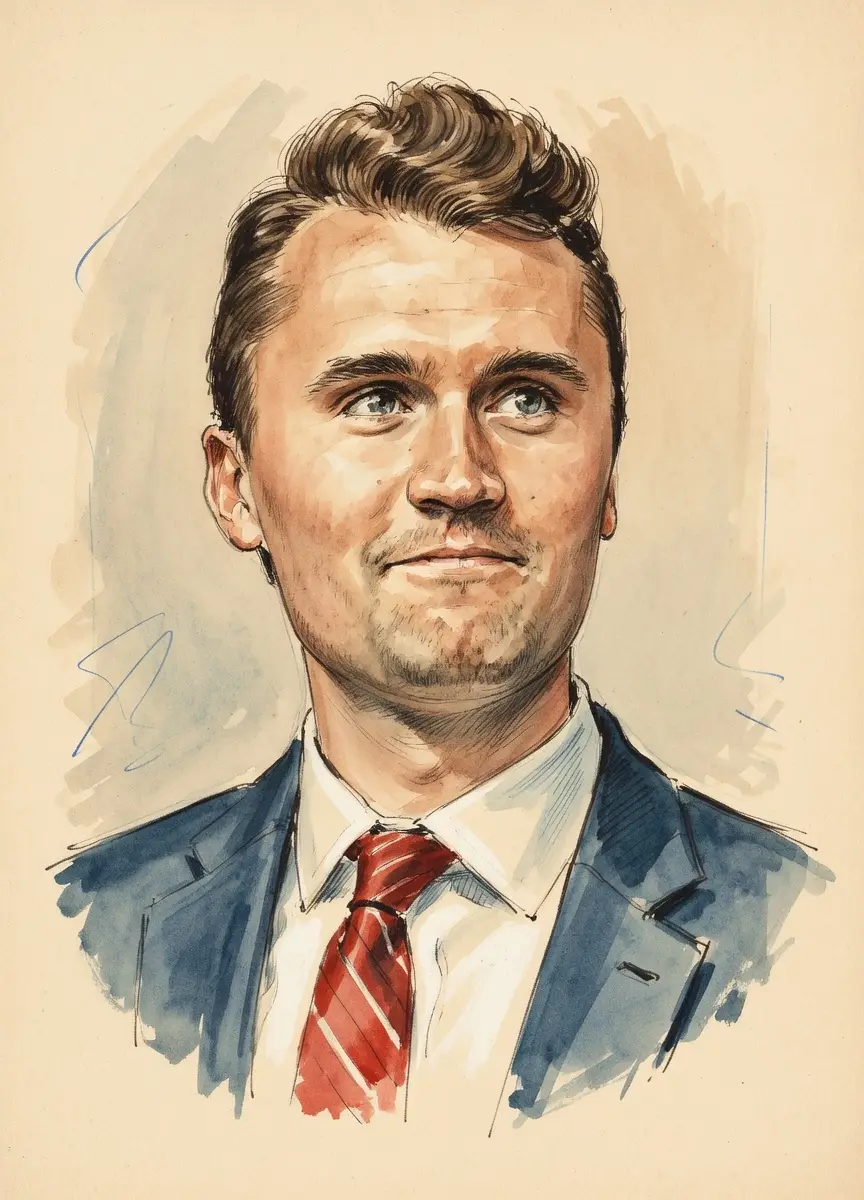
Charlie Kirk on Capital Punishment
TL;DR
Charlie Kirk strongly advocated for the death penalty to be broadly applied for murder cases, arguing for swift, public executions.
Key Points
He stated he believed that someone who took a life should have their life taken, under most circumstances, in 2025.
During 2024 discussions, he asserted that death penalties should be public, quick, and even televised.
Kirk linked his support for capital punishment to his conservative philosophy of desiring a small yet strong government capable of enforcing justice.
Summary
Charlie Kirk held a strong, affirmative position on capital punishment, arguing that the government should execute individuals who take a life under most circumstances. He contended that a person who commits murder should, in turn, have their life taken, resisting the idea that the penalty should be reserved only for the most extreme cases like mass shootings. Furthermore, he expressed specific views on the process, stating that death penalties should be public and swift, suggesting they even be televised as a moral statement to deter crime and underscore the seriousness of the act.
This position was framed within his broader political philosophy of supporting a government that is small but strong enough to enforce justice decisively. His advocacy for televised executions sparked discussion, particularly regarding the appropriateness of exposing children to such events, though he argued such exposure could serve a societal deterrent purpose. The context of his statements often arose in discussions about blind justice versus social justice, with him emphasizing that conservatives strive for an application of law uninfluenced by factors like race or wealth.
Frequently Asked Questions
Charlie Kirk was a strong advocate for the death penalty. He frequently argued that capital punishment should be utilized for individuals who commit murder, believing it to be a fitting and just consequence for taking a life.
Yes, he suggested that death penalties should be carried out quickly and publicly, even proposing that executions be televised. The stated goal of this transparency was to make a moral statement and potentially reduce crime.
Based on available reporting, his position appears consistent in supporting capital punishment. He clarified that it should apply under 'most' murder circumstances, not just the most extreme, indicating a long-held belief.
Sources4
Charlie Kirk's strong stance on death penalty resurfaces after Utah assassination
Spotlight on Utah's Death Penalty
Charlie Kirk's Views on the Death Penalty Contradict Basic Christian Teachings. Why Don't More Evangelicals Call This Out? : r/Christianity
* This is not an exhaustive list of sources.