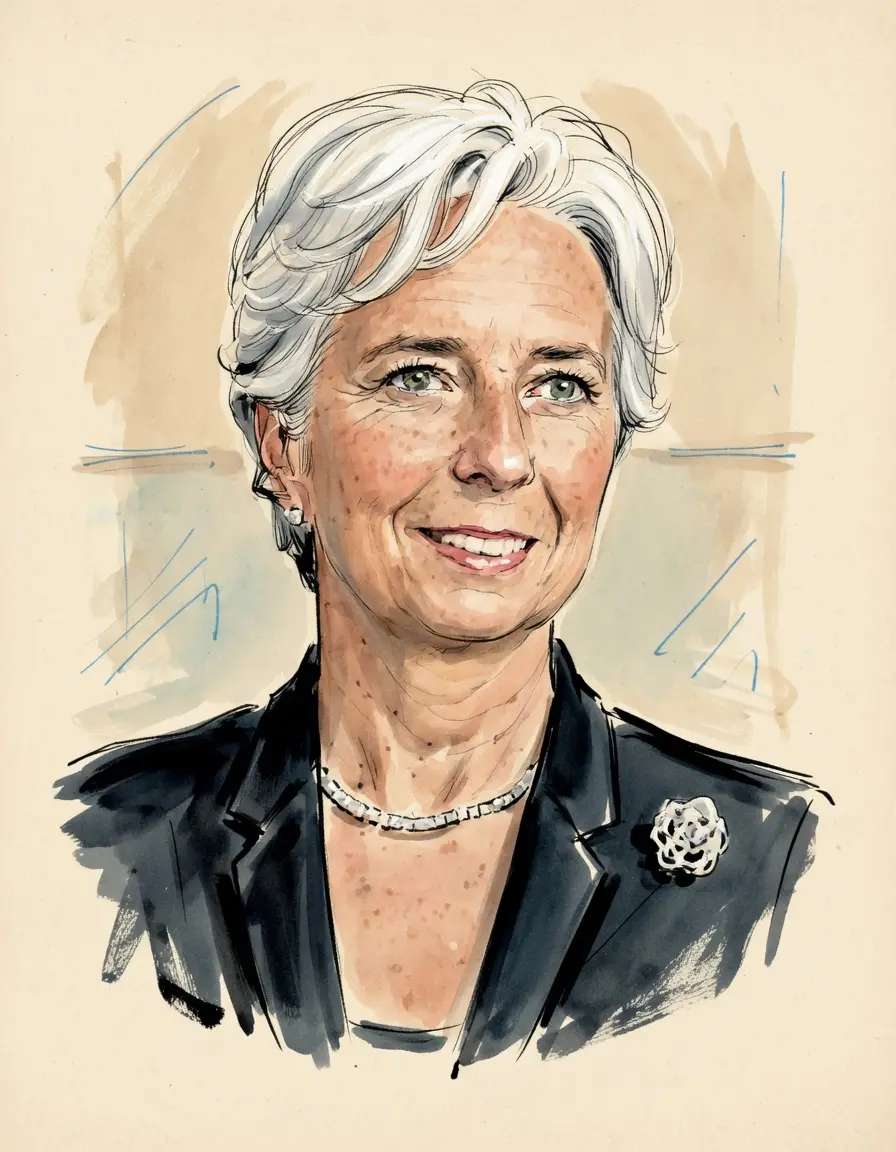
Christine Lagarde on Israel
TL;DR
Christine Lagarde's focus on Israel is primarily through the lens of its impact on global economic stability and energy markets.
Key Points
The US-Israeli campaign against Tehran has been linked to heightened fears of supply disruption, causing oil prices to rise sharply.
Geopolitical developments in the Middle East, involving Israel, are seen as a factor that may accelerate core inflation across the Euro Area.
Escalation of the conflict in the Middle East is noted to further erode confidence in the Euro Area economy, evidenced by sentiment indicators.
Summary
Christine Lagarde's commentary regarding Israel appears almost exclusively within the context of geopolitical instability affecting the global economy, particularly energy markets and the Euro Area. Specifically, actions such as the US-Israeli military strikes on Iran have been cited as a cause for rising oil prices and ensuing inflationary pressures within the Eurozone, which directly impacts the European Central Bank's monetary policy concerns. She has not offered substantive political or bilateral commentary on the state of Israel itself, focusing instead on managing the economic fallout from regional tensions.
Her role as the head of the European Central Bank necessitates this macroeconomic perspective; for instance, escalation in the Middle East is noted to threaten Eurozone confidence, as evidenced by falling economic sentiment indicators. The mention of Israel is intrinsically linked to broader Middle East energy supply disruptions, such as threats to the Strait of Hormuz, rather than standing as an independent foreign policy stance for Lagarde. Her professional concern centers on how such external shocks may accelerate core inflation across the Euro Area.
Key Quotes
The ECB denied the report, telling the British newspaper that she "has not taken any decision regarding the end of her term."
Lagarde quoted President John F. Kennedy stating that “the time to repair the roof is when the sun is shining.” Mme. Lagarde adapted this statement to the economy, expressing that while our economy is currently experiencing an upswing, now is the time for reform. We must be proactive, not reactive.
Frequently Asked Questions
Christine Lagarde's public commentary on Israel is primarily framed by her role as an economic leader. Her statements focus on how regional events, such as military actions involving Israel, impact global energy markets and the Eurozone's inflation and economic confidence. She does not typically offer direct political commentary on the nation.
Yes, Christine Lagarde's related statements address the economic consequences of Middle East instability. She has acknowledged that conflicts in the region, including those involving Israel and Iran, push oil prices higher, threatening to accelerate core inflation in the Euro Area.
The European Central Bank, under Lagarde's leadership, recognizes that Middle East conflict can create significant external shocks. These events can pressure the euro and impact ECB monetary policy decisions by potentially accelerating inflationary pressures across the Euro Area.
Sources4
Global Powers Must Cooperate or Face Self-Harm, Lagarde Says
ECB has no pre-set response to Mideast tensions, Lagarde says
Lagarde’s Potential Early Exit Triggers ECB Independence Doubts as Iran Conflict Sparks Oil Shock
A Public Address by Christine Lagarde | The Institute of Politics at Harvard University
* This is not an exhaustive list of sources.