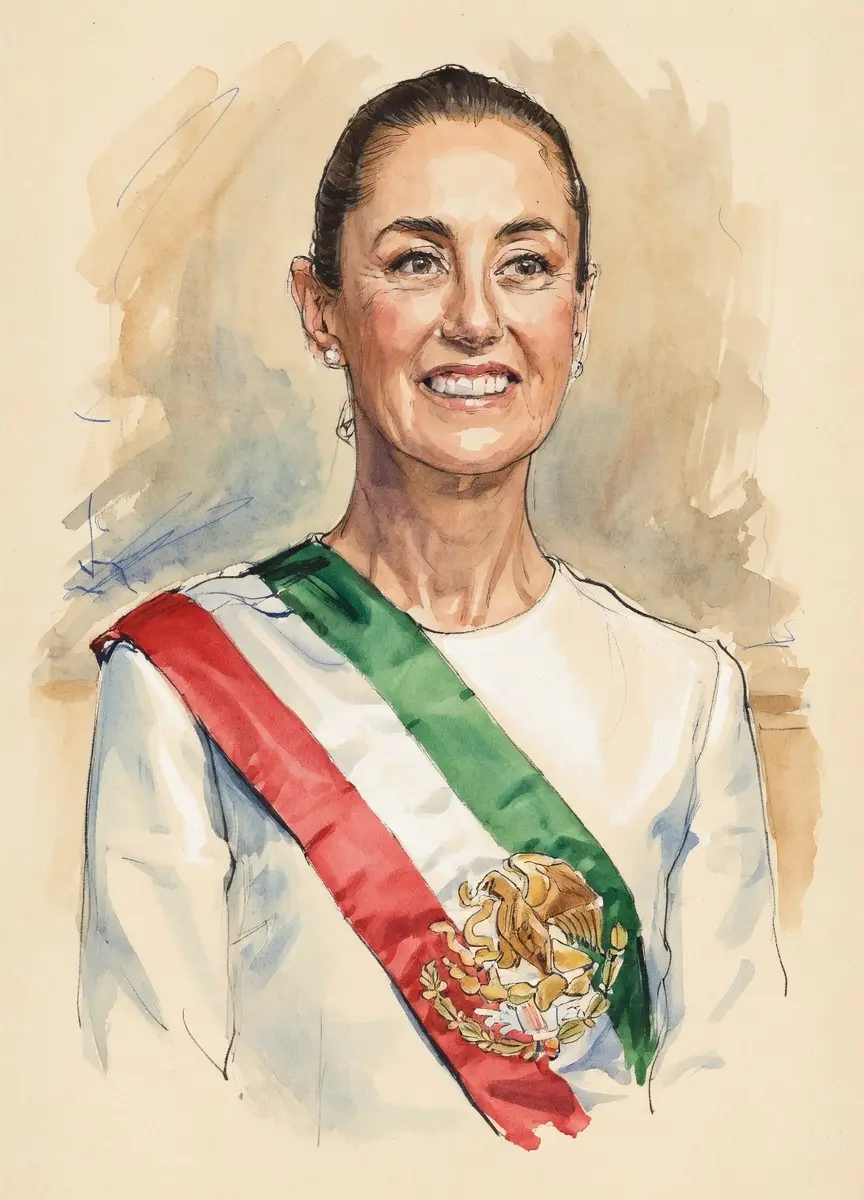
Claudia Sheinbaum on Tariffs
TL;DR
Claudia Sheinbaum advocates for negotiation to resolve tariff disputes, preferring dialogue over immediate, punitive trade measures.
Key Points
She affirmed that Mexico would impose retaliatory tariffs on US goods if the US imposed its threatened duties.
She aimed to begin talks to review the North American trade pact and manage any potential US tariff actions.
Her stated approach in March 2025 was to maintain a "cool head" regarding potential US trade measures.
Summary
Claudia Sheinbaum has positioned herself as favoring diplomatic engagement and negotiation when faced with potential or actual tariffs, particularly those threatened by the US administration. Her core stance emphasizes seeking consensus and dialogue within the North American trade framework rather than escalating trade conflicts through immediate, reciprocal action. She has indicated a preference for a "cool head" approach, seeking to avoid measures that would harm the Mexican economy while respecting international trade agreements.
This measured approach has involved making the case to avoid the imposition of threatened duties and preparing retaliatory measures as a last resort, rather than an initial response. While prepared to impose retaliatory tariffs on US goods if necessary to protect Mexican economic interests, her focus remains on high-level talks to secure a stable trade environment for North America. Her strategy appears designed to manage external economic pressure while maintaining the integrity of Mexico's foreign policy and trade position.
Frequently Asked Questions
Claudia Sheinbaum's position on tariffs centers on a preference for diplomatic negotiation to resolve trade disputes. She views maintaining a stable trade relationship as crucial and seeks to avoid the imposition of new duties through dialogue. However, she has stated that Mexico is prepared to act with retaliatory tariffs if forced to defend its economic interests.
There is no strong evidence to suggest a major evolution in her core stance regarding trade disputes as of early 2026. Claudia Sheinbaum consistently advocates for dialogue first, which forms the basis of her initial reaction to tariff threats. Her readiness to implement countermeasures is framed as a necessary contingency within a negotiation strategy.
When faced with threats of US tariffs, Claudia Sheinbaum employed a measured strategy, advocating for talks to review the North American trade framework. She urged for a calm approach to manage the situation without immediate escalation. If tariffs were enacted, she indicated Mexico would be ready to impose its own reciprocal tariffs.
Sources7
Trump’s threat of Mexico tariffs forces Sheinbaum to tread a diplomatic tightrope
Reaction: What’s next for Sheinbaum’s tariff strategy?
US-Mexico talks as North America trade pact review looms
Cool head: How Mexico’s Claudia Sheinbaum is handling Trump and tariffs
Mexico will impose retaliatory tariffs on US goods, Sheinbaum says
Mexico makes case to avoid Trump’s threatened tariffs
Mexico warns it will impose tariffs on US products if Trump imposes his
* This is not an exhaustive list of sources.