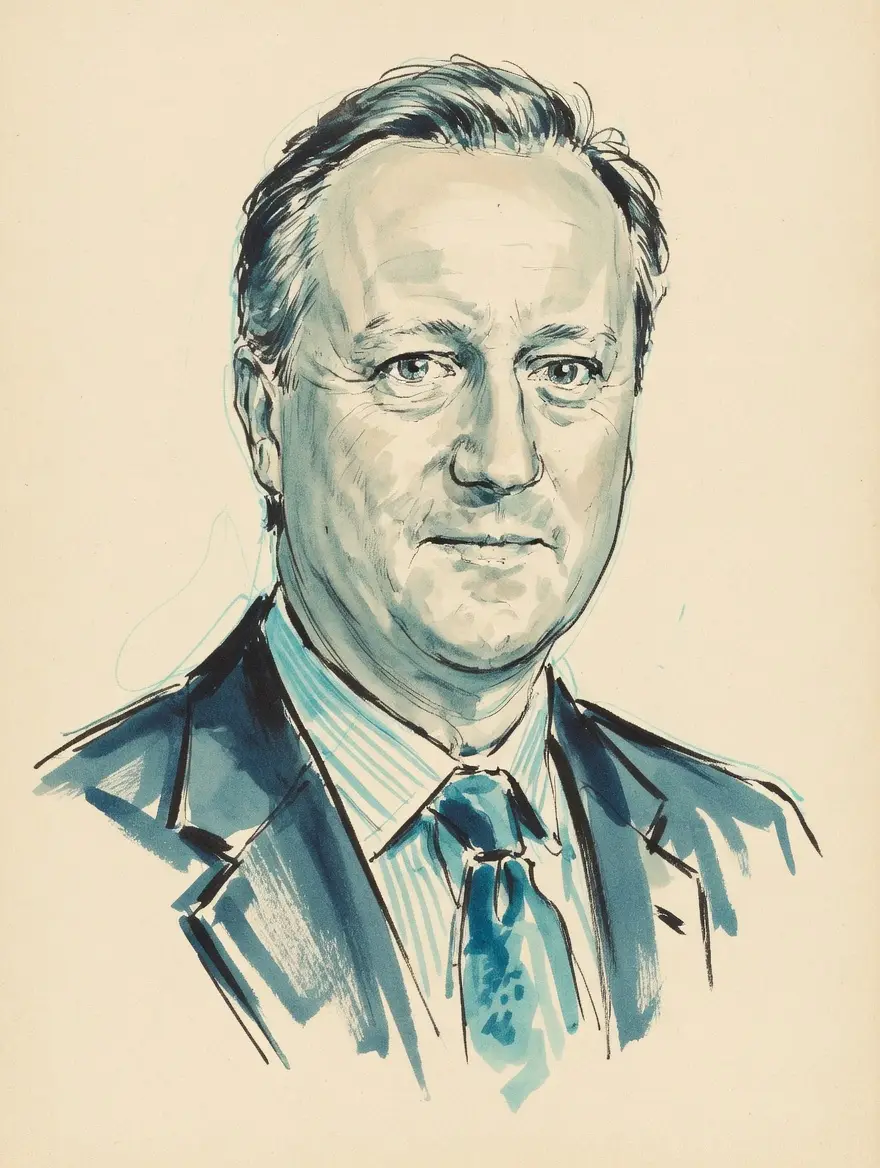
David Cameron on Austerity
TL;DR
David Cameron defended his coalition government's austerity programme as a necessary measure to fix the fundamental problems in the UK economy.
Key Points
He delivered a speech in March 2013 stating that sticking to the deficit reduction plan was the only way to secure the country's future.
He defended the austerity programme by arguing that a health system is only as strong as the economy that funds it, even when facing pandemic preparedness questions in 2023.
His administration claimed that the richest 20% made the greatest contribution to deficit reduction, while cutting bureaucracy and reducing the size of the civil service to post-war lows.
Summary
David Cameron, as UK prime minister, argued that his government's plan was essential to correct three fundamental economic problems: the largest post-war budget deficit, excessive private debt, and eroding global competitiveness. He presented austerity, which involved tough spending and borrowing decisions, as the only viable course to secure the nation's finances and maintain low interest rates, which he deemed crucial for indebted businesses and families. He claimed that resisting these difficult choices would have led to even greater austerity later on.
While defending the drive to reduce the deficit, Cameron also pointed to signs that his plan was working by 2013, citing a reduced deficit, low interest rates, rising exports, and increased private sector employment across the country. He maintained that his economic stewardship, which included tax cuts funded by spending reductions, was pro-growth and necessary to ensure the country could afford good public services and support for the vulnerable in the long term. However, later reflections on his tenure have seen him admit failures in pandemic preparations while continuing to defend the economic necessity of the austerity measures imposed during his time in office.
Frequently Asked Questions
David Cameron's core position was that austerity, involving significant cuts to government spending and borrowing, was necessary to fix the UK's large budget deficit and restore economic competitiveness following the 2008 financial crisis. He argued that failing to implement these tough measures would have resulted in even more severe austerity later.
While he strongly defended the necessity of the austerity programme during his premiership, David Cameron later admitted to failures in pandemic preparations, defending his economic choices by stating that the health system's strength is tied to the economy. He has also faced criticism for suggesting cuts should have been deeper and faster.
Yes, he framed austerity as pro-growth, arguing that deficit reduction was the first essential step for sustainable economic recovery and avoiding higher interest rates. He pointed to falling interest rates and rising private sector employment as evidence that the plan was beginning to work.
Sources9
Economy speech delivered by David Cameron
David Cameron Says Austerity Should Have Been Deeper And Faster. The Facts Say Different
What is the true lesson of Cameron's U.K. victory?
David Cameron refusing to say austerity had no impact on pandemic 'flies in face of scientific opinion', says health expert
Unfortunately, David Cameron Is Back in British Government
COVID-19 inquiry: David Cameron says austerity measures needed for pandemic
David Cameron admits series of failures in his government's pandemic preparations
David Cameron, the 'Age of Austerity' and its Impact (2009– 2019)
Was David Cameron actually the most damaging PM in recent times?
* This is not an exhaustive list of sources.