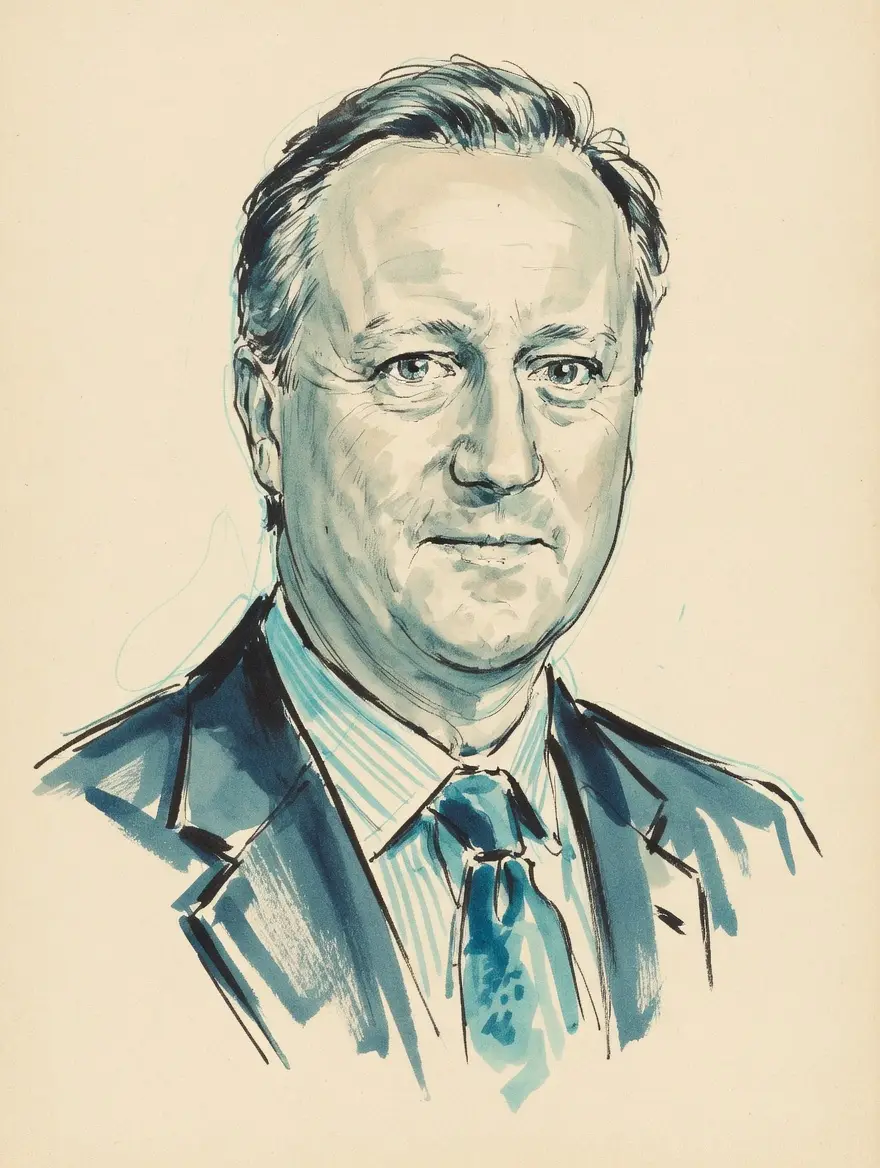
David Cameron on Gordon Brown
TL;DR
David Cameron viewed Gordon Brown as an ideologically opposed political rival whose government's financial stewardship was deeply flawed.
Key Points
In September 2009, David Cameron publicly criticised Gordon Brown's conference speech for not addressing the gaping hole in the nation's finances.
Cameron briefly defended Gordon Brown against questioning on his health by the BBC in September 2009, calling the line of questioning inappropriate.
David Cameron became Prime Minister after Gordon Brown resigned following the 2010 general election, leading to a Conservative/Liberal Democrat coalition.
Summary
David Cameron, as the leader of the Conservative Party, defined his political stance in opposition to Gordon Brown, the incumbent Labour Prime Minister, particularly following the 2008 financial crisis. Cameron strongly criticised Brown’s keynote speech at the 2009 Labour conference, describing it as presenting "a long shopping list without many prices" while failing to address the nation's worsening financial deficit. This criticism was rooted in a fundamental disagreement over economic management, with Cameron consistently framing Brown's tenure as fiscally irresponsible.
However, in a notable moment of political pragmatism, Cameron offered brief, uncharacteristic support for Brown when he defended the Prime Minister against inappropriate questioning about his health by the BBC in September 2009. The primary implication of Cameron's position was a desire to replace Brown's Labour government, which he eventually did in 2010 when he succeeded him as Prime Minister, forming a coalition government after Brown resigned following the general election.
Key Quotes
"Nick Clegg and I are both political leaders who want to put aside party differences and work hard for the common good and for the national interest. I believe that is the best way to get the strong government that we need, decisive government that we need today."
Frequently Asked Questions
David Cameron's main criticism centred on economic stewardship, particularly the government's finances. He often attacked the Labour administration under Gordon Brown for what he saw as irresponsible borrowing and spending policies during difficult economic times.
Yes, David Cameron provided brief, uncharacteristic support for Gordon Brown in September 2009 by stating that the BBC's grilling of the Prime Minister over his health was inappropriate. However, this moment was quickly followed by further political criticism.
David Cameron's sustained opposition to Gordon Brown's government ultimately culminated in the 2010 general election. Following the election result, Gordon Brown resigned, and David Cameron took over as Prime Minister.
Sources6
David Cameron backs then bashes Gordon Brown | Labour conference 2009
Brown vs. Cameron
Cameron Takes Over as British Prime Minister | PBS News Hour Classroom
Brown resigns, Cameron steps in
With David Cameron unconvincing, it's up to Gordon Brown to keep Britain in the EU
What does the history of the UK look like, if Gordon Brown defeats David Cameron in the 2010 Elections? : r/HistoryWhatIf
* This is not an exhaustive list of sources.