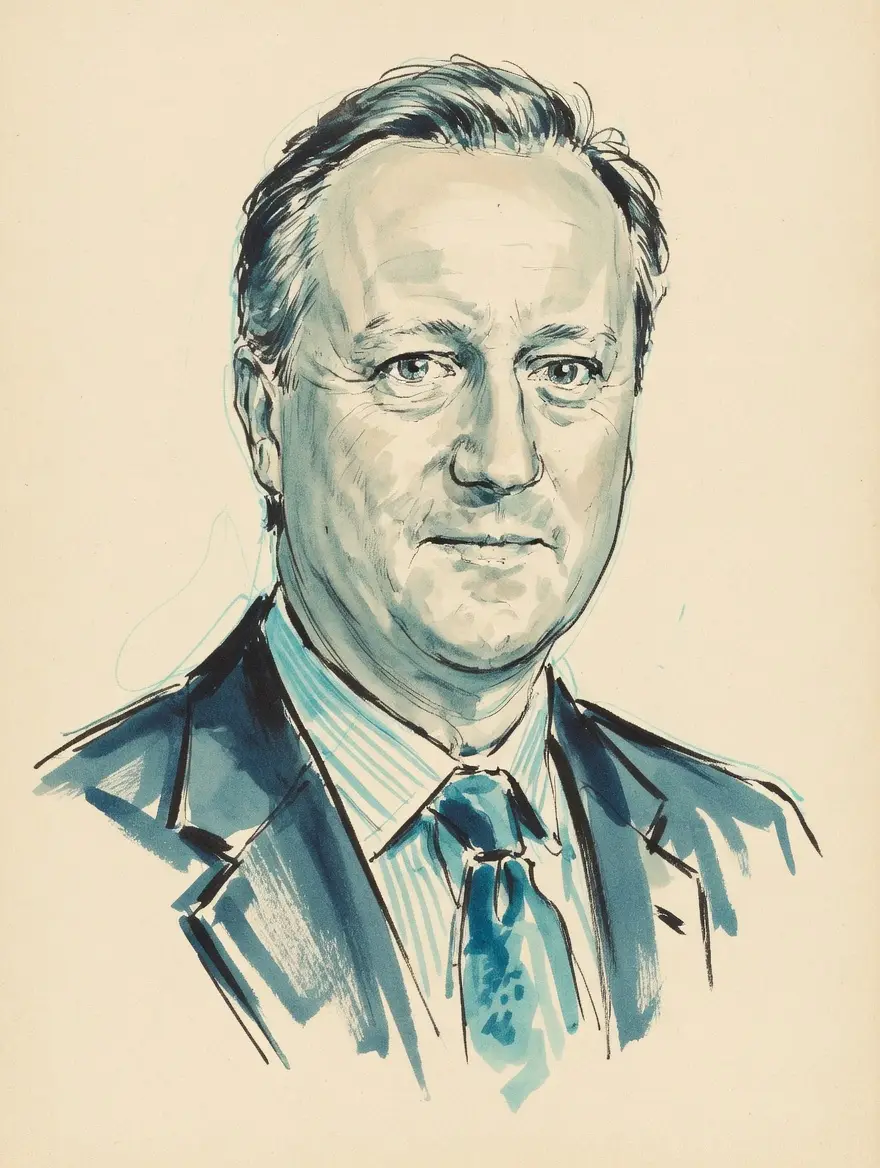
David Cameron on Lobbying
TL;DR
David Cameron's initial stance on lobbying transparency was overshadowed by intense scrutiny following his post-premiership work.
Key Points
He introduced the Lobbying Act in 2014 to regulate consultant lobbyists, establishing a public register.
Following his premiership, he faced severe criticism for lobbying former government officials on behalf of Greensill Capital.
An investigation into his conduct concluded in 2022 that he breached lobbying rules by contacting ministers over Greensill.
Summary
David Cameron's approach to lobbying underwent intense review after he left office, particularly regarding his association with Greensill Capital. While in office, he introduced the Lobbying Act 2014, a piece of legislation intended to bring transparency to the practice, although critics later argued it was too weak or poorly implemented. His government oversaw the creation of the Register of Consultant Lobbyists, a key element of this push for openness, which was seen as a significant step towards regulating influence peddling.
However, the former Prime Minister's subsequent attempts to secure funding and offer advice to Greensill Capital brought intense focus onto the perceived loopholes in the existing rules. This post-premiership activity, which involved contacting former colleagues regarding lending schemes, led to multiple inquiries and calls for a review of the rules governing how former ministers and senior officials engage with the private sector. This subsequent scrutiny suggested that the existing frameworks were insufficient to prevent potential conflicts of interest or the perception of improper influence.
Key Quotes
“We all know how it works. The lunches, the hospitality, the quiet word in your ear, the ex-ministers and ex-advisers for hire, helping big business find the right way to get its way. In this party, we believe in competition, not cronyism.”
Frequently Asked Questions
While Prime Minister, David Cameron was responsible for introducing the Lobbying Act in 2014. This legislation aimed to increase transparency by creating a register for consultant lobbyists seeking to influence government decisions.
Yes, an investigation found that David Cameron breached lobbying rules through his conduct related to Greensill Capital. He was found to have contacted former colleagues in government over financial arrangements for the firm.
The Greensill Capital affair severely impacted the perception of David Cameron's commitment to lobbying transparency. His actions post-premiership exposed perceived weaknesses in the regulatory framework he helped establish.
Sources9
David Cameron: Greensill Capital lobbying firm was 'very bad news'
David Cameron: Then and now on lobbying
Cameron and lobbying: the Act that wasn't strong enough
Lobbying is a necessary evil, but the UK Greensill/Cameron affair shows how to bring it out of the shadows
Lessons from the Greensill scandal: How to bring lobbying out of the shadows
Cameron's role at Greensill Capital has called the UK's lobbying regulations into question
David Cameron’s Texts to the Bank of England Show the Limits of Disclosure
David Cameron and the UK’s latest hidden lobbying scandal
Investigation case summary: Rt Hon David Cameron
* This is not an exhaustive list of sources.