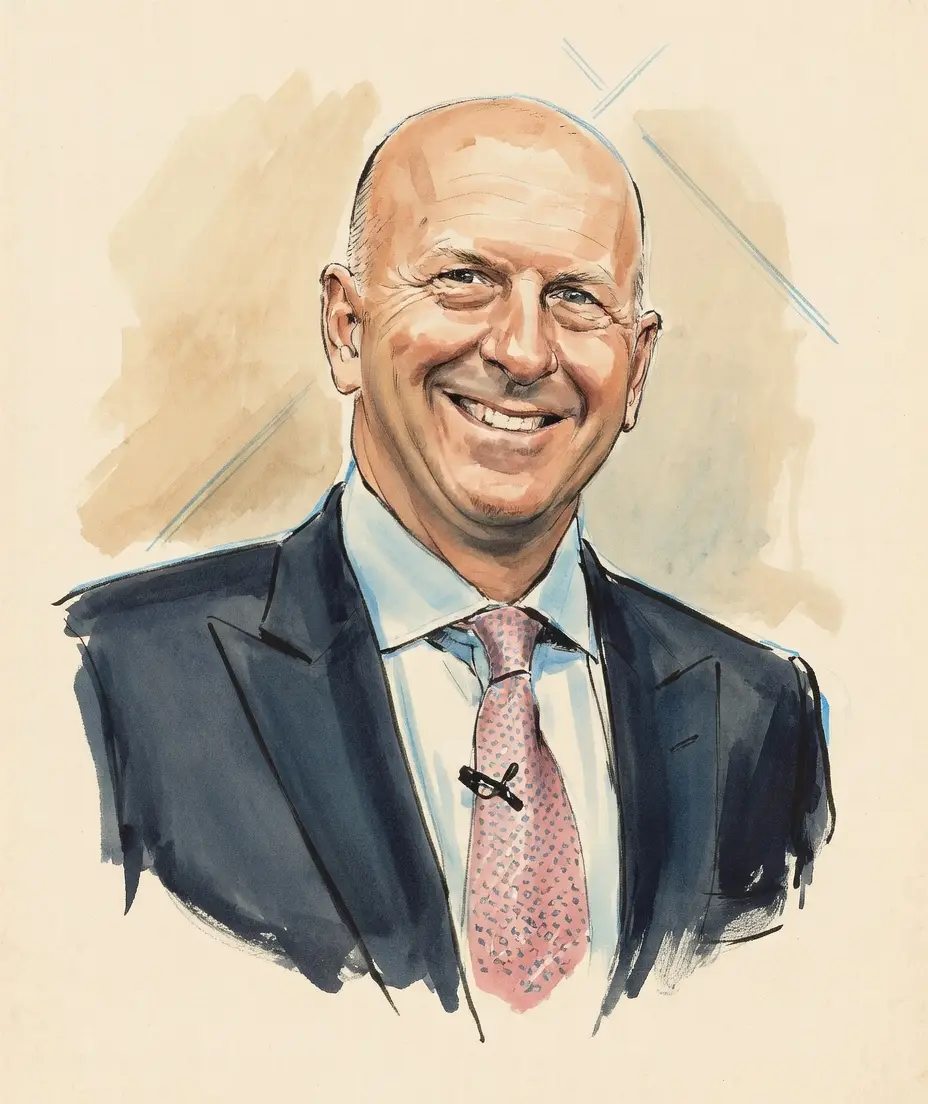
David Solomon on Wealth Inequality
TL;DR
David Solomon expresses concern over economic risks associated with rising debt and inequality, advocating for a strong macro setup.
Key Points
He earned a $35 million compensation package in 2021, placing him in the top 0.01% of earners.
He expressed 'real concern' about deficits, noting large-scale asset purchases can disproportionately benefit rich households.
His wealth, listed at $50 million at one point, is shown in scale next to that of the super-rich.
Summary
David Solomon, in his capacity as CEO of Goldman Sachs, has signaled concerns regarding the economic implications of growing debt and inequality. While he has noted the macro setup can appear "quite good" due to factors like AI investment and fiscal support, he has also voiced "real concern" over unsustainable deficits, which online commentary suggests can exacerbate wealth inequality through asset inflation. His firm's performance has led to his own substantial compensation, placing him within the top earners, a group whose wealth growth is often contrasted sharply with that of the bottom half of earners.
His statements contextualize his perspective within the broader financial landscape, where commentary often contrasts the wealth accumulation of the ultra-rich with the financial realities of the average person. Though he is positioned among the wealthiest executives, his public focus has been on broader economic stability rather than directly proposing specific policies to overhaul the wealth distribution system itself. The context of his high compensation, such as a $35 million package in 2021, is sometimes highlighted when discussing the widening income gap.
Frequently Asked Questions
David Solomon's public commentary suggests a concern over the risks posed by growing economic imbalances, particularly unsustainable deficits which can worsen wealth inequality via asset inflation. He frames his perspective within the context of maintaining a strong macro-economic backdrop for business activity.
The available information does not indicate a clear evolution in David Solomon's stated position on wealth inequality. His commentary often links broader economic risks, like high debt levels, to the issue.
The CEO of Goldman Sachs voiced 'real concern' about the unsustainability of deficits, noting that central bank actions to monetize debt tend to favor asset inflation, which exacerbates wealth concentration. He has been discussed in relation to the widening gap between the wealthiest and other earners.
Sources6
There's A New Way To Watch The Widening Income Gap in (Almost) Real Time
Goldman Sachs delivers contrarian take on the economy. : r/economy
FACES ON THE FRONTLINES Indigenous Organizers Against Mining and Covid-19
The Rich Relentlessly Generate Wealth and Opportunity for Others
How Much Money Jeff Bezos Made Since You Started Reading This Page (bezoscalculator.com)
Wealth, shown to scale
* This is not an exhaustive list of sources.