
TL;DR
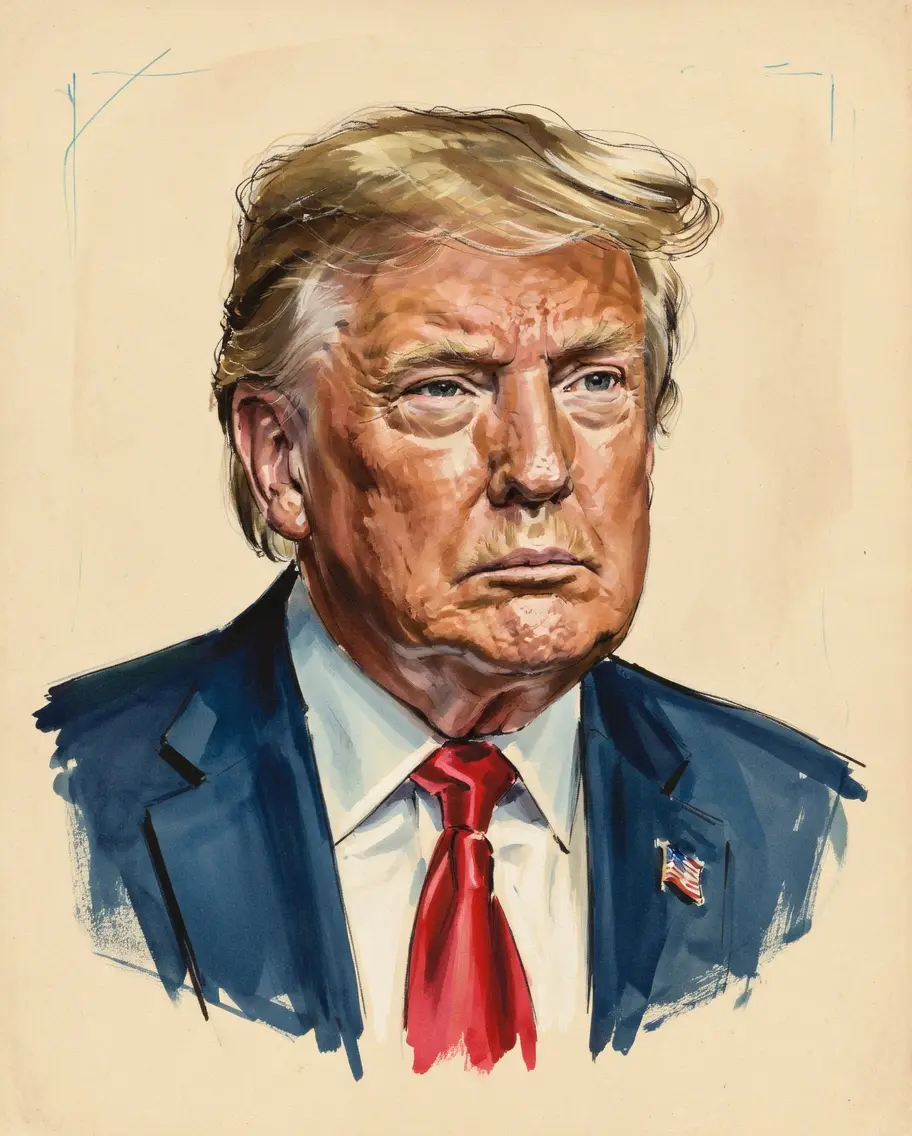
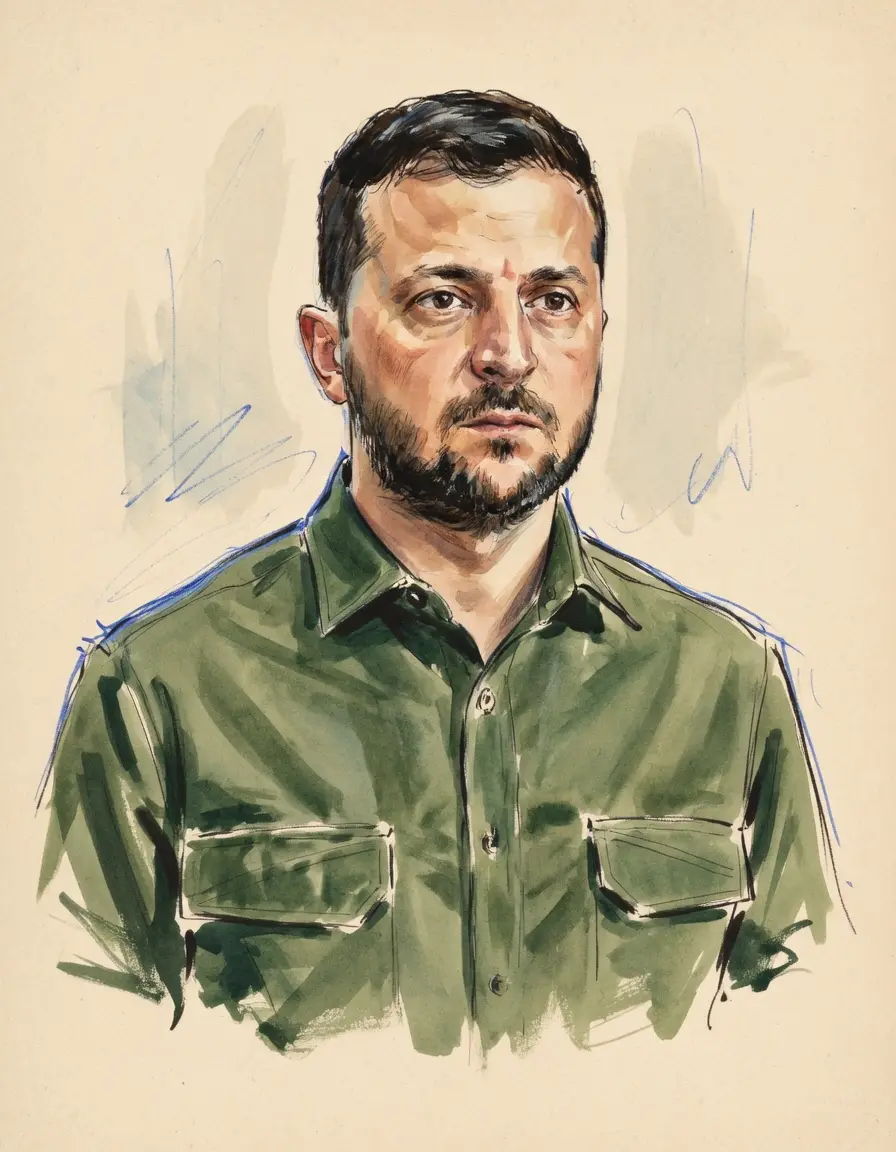
Donald Trump frequently pressures Volodymyr Zelenskyy to accept a peace deal with Russia, suggesting he has weak negotiating leverage.
Key Points
He stated in March 2026 that the "hatred" between Putin and Zelenskyy is making a peace deal very hard to reach.
During a contentious February 2025 meeting, he allegedly told the Ukrainian president, "You don't have the cards right now."
Following the February 2025 meeting, his administration temporarily suspended the provision of intelligence and military aid to Ukraine.
Summary
Donald Trump's position on Volodymyr Zelenskyy is characterized by significant public pressure regarding the ongoing war with Russia, urging the Ukrainian president to conclude a peace agreement. He has repeatedly asserted that Russian President Vladimir Putin is ready to negotiate a deal, while simultaneously claiming Zelenskyy has "even less cards" and is an "obstacle" to peace. This stance suggests a belief that further military effort by Ukraine is unwarranted or detrimental, as evidenced by his insistence that Zelenskyy must "get a deal done."
This approach has included highly confrontational public interactions, most notably a contentious February 2025 Oval Office meeting where both Trump and his Vice President publicly criticized Zelenskyy, leading to a temporary suspension of U.S. aid. While Trump's current rhetoric demands that Zelenskyy accept a U.S.-backed proposal, his prior actions, including impeaching over an earlier request to Zelenskyy, point to a policy prioritizing a quick end to hostilities, even if it requires Ukrainian territorial concessions.
Key Quotes
You don't have the cards. Now he's got even less cards.
He's going to have to approve it.
Frequently Asked Questions
Donald Trump's view of Volodymyr Zelenskyy centers on his insistence that the Ukrainian president must pursue a peace deal with Russia. He has publicly implied that Zelenskyy is an obstacle to a resolution and that his negotiating position is weak. The relationship has been highly transactional and publicly strained, especially following a major confrontation in early 2025.
Yes, his public stance appears to have evolved from the context of their earlier dealings, marked by his first impeachment, to one where he applies direct pressure for a negotiated end to the war. While he has expressed both admiration and strong criticism, the consistent thread is the demand for a ceasefire agreement now.
Trump has explicitly stated that Zelenskyy has a weak hand in the conflict, noting that he has "even less cards" now than previously. He frequently asserts that Putin is ready to negotiate, implying that Zelenskyy is the one refusing to compromise for peace.
Sources7
Ukraine war briefing: Trump urges Zelenskyy to 'get a deal done' with Russia
Trump says Zelenskyy has "even less cards" now and blames him for stalled peace talks | Ukrainska Pravda
Trump to Politico: Zelenskyy doesn't have anything until I approve it
Trump says 'hatred' between Putin, Zelenskyy blocking Ukraine peace deal
WATCH: With new U.S. deal, Trump says that Zelenskyy is 'going to have to accept something'
2025 Trump–Zelenskyy Oval Office meeting - Wikipedia
Trump: Zelenskyy must make peace / The New Voice of Ukraine
* This is not an exhaustive list of sources.