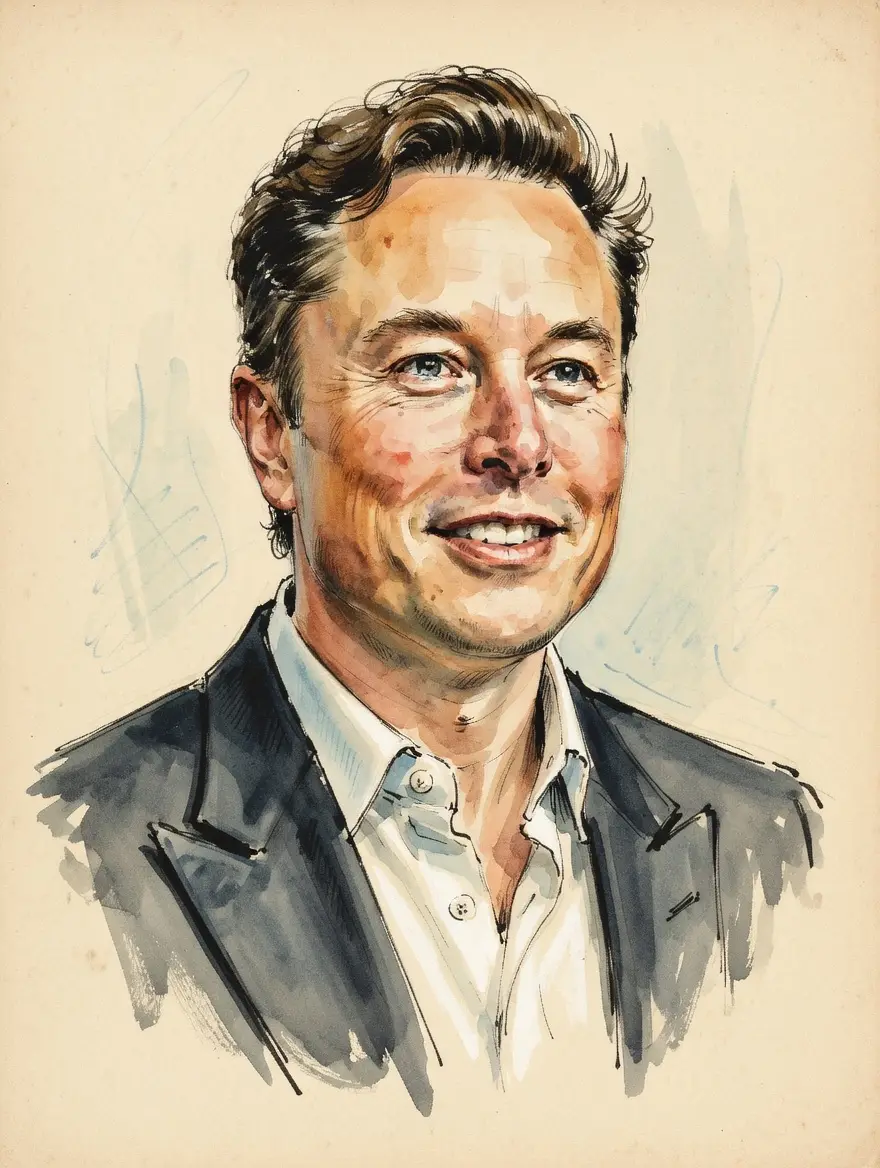
Elon Musk on Free Speech
TL;DR
Elon Musk professes to be a free speech absolutist, yet his actions on X often involve selective moderation and retaliation against critics.
Key Points
He publicly claimed to be a self-proclaimed “free speech absolutist” upon acquiring Twitter in 2022.
Following his acquisition of X, he reinstated several previously banned high-profile accounts, including that of a former president.
He has faced allegations of selectively suppressing content, such as links to competitor Substack or critical journalists, contradicting his open-platform promises.
Summary
Elon Musk has positioned himself as a staunch advocate for free speech, famously calling it the bedrock of democracy and framing his acquisition of X (formerly Twitter) as a crusade against censorship and a "woke mind virus." He cites the First Amendment to justify a more permissive stance on content moderation, reinstating previously banned accounts and expressing opposition to practices like shadowbanning. This stance, however, is frequently characterized by critics as inconsistent, suggesting a self-serving application of his principles.
Concerns about Musk's commitment arise from instances where he or his company have taken action against critics, such as suing an advocacy organization after a negative report, or temporarily suspending journalists who covered him critically. Furthermore, his actions often appear pragmatic when facing regulatory pressure, such as complying with content restrictions in countries like Turkey despite his broader rhetoric. This pattern of selective enforcement, where criticism of him or his businesses is suppressed while opposing viewpoints from aligned political figures are amplified, leads many to label him a "phony free speech absolutist."
Key Quotes
“60 Minutes are the biggest liars in the world!” and that “they deserve a long prison sentence,”
Frequently Asked Questions
Elon Musk has strongly articulated a belief that free speech is the essential foundation for a functioning democracy. He has positioned himself as a 'free speech absolutist' who aims to make his social media platform an unrestricted digital town square. This perspective often involves opposing content moderation he views as ideological suppression.
Yes, many critics argue his stance has shifted or is applied unevenly since taking over the platform. While he champions less censorship overall, he has also engaged in actions like temporarily suspending journalists critical of him or temporarily blocking links to competing services. These actions suggest his commitment is not absolute in practice.
Musk's rhetoric strongly suggests opposition to government censorship, echoing First Amendment principles. However, when his company operates globally, X has complied with content removal requests from foreign governments, such as in Turkey, to maintain platform availability in those regions. This creates a conflict between his stated principles and real-world operational choices.
Sources8
Elon Musk and free speech
Elon Musk: Free Speech Absolutist in a Kingdom of Chaos
Elon Musk: The Phony Free Speech Absolutist
Elon Musk has become the world's biggest hypocrite on free speech
When free speech champion Elon Musk threatens speech, we should take it seriously
Interview: How Elon Musk Blurs the Lines of Free Speech
Musk, Techbrocracy, and Free Speech
Elon Musk Is Absolutely an Enemy of Free Speech
* This is not an exhaustive list of sources.