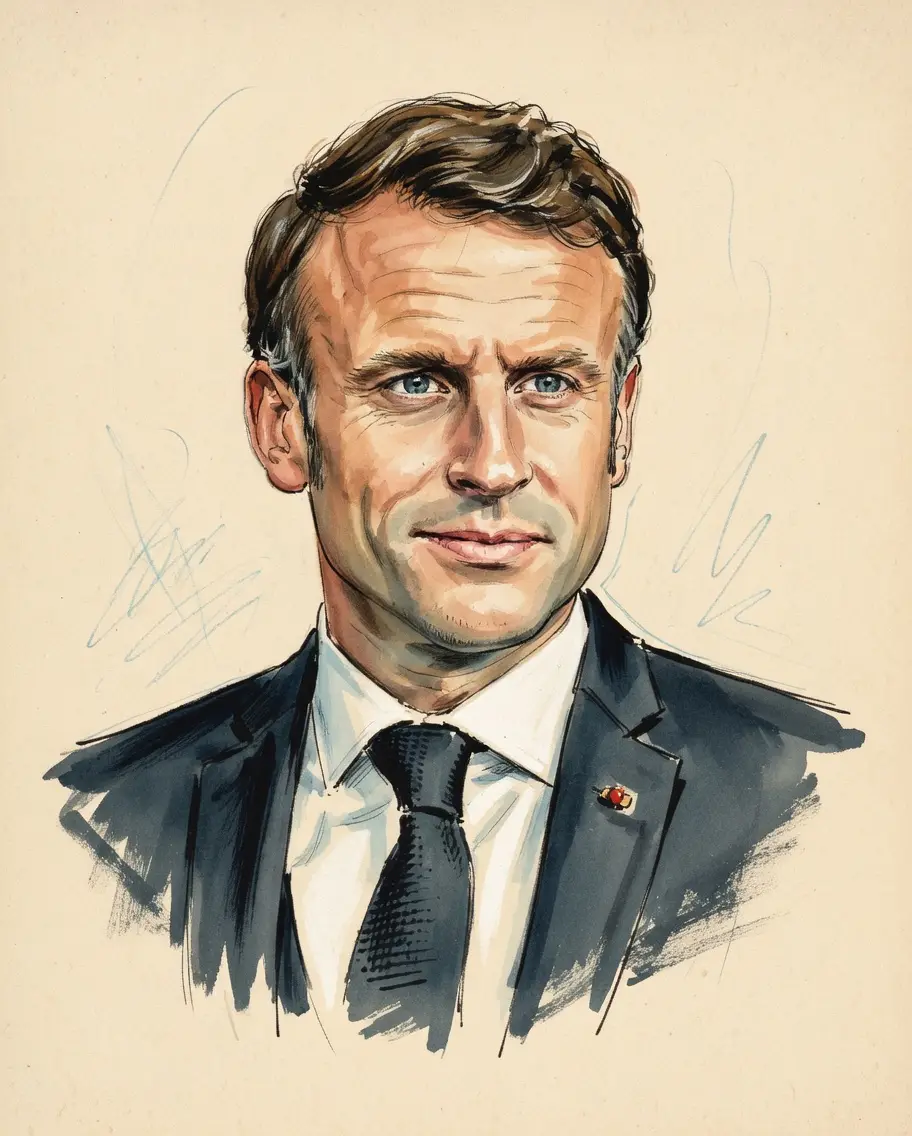
Emmanuel Macron on Algeria
TL;DR
Emmanuel Macron seeks reconciliation with Algeria by confronting colonial history, yet refuses to issue a formal apology for past actions.
Key Points
In 2017, he initially denounced colonialism as a 'crime against humanity' while on the campaign trail.
He ordered a report from historian Benjamin Stora in July 2020 to recommend ways to commemorate the Algerian War.
In January 2022, he recognized the 1962 massacre of pieds-noirs in Algiers, demanding Algeria recognize the Oran massacre in return.
Summary
Emmanuel Macron has actively engaged with the complex, painful history between France and Algeria, prioritizing reconciliation work regarding the colonial era and the War of Independence. He has initiated several gestures, including admitting French state responsibility for the torture and murder of an independence figure and acknowledging the 1962 massacre of pieds-noirs in Algiers. His approach involves promoting a shared 'duty to remember,' exemplified by commissioning a historian's report to guide commemoration policy and encouraging reciprocal archival openness between the two nations.
However, the French President draws a clear line by stating he will not 'ask forgiveness' for French colonization, arguing such an act would damage diplomatic ties, a stance sometimes criticized as a step backward. Tensions periodically arise from his statements, such as questioning the prior existence of an Algerian nation, which drew sharp responses from Algiers, illustrating the delicate and often precarious balance in their post-colonial relationship.
Key Quotes
It's not up to me to ask forgiveness, that's not what this is about, that word would break all of our ties
Frequently Asked Questions
Emmanuel Macron's position centers on fostering reconciliation with Algeria by confronting the legacy of French colonization and the War of Independence. He supports historical memory work but explicitly refuses to issue a formal apology, preferring a path of mutual understanding over repentance.
Yes, his stance has shown evolution, marked by both conciliatory gestures and controversial remarks. He moved from calling colonialism a 'crime against humanity' in 2017 to later accusing Algerian leadership of exploiting history, leading to periodic diplomatic tension.
He has acknowledged French state responsibility for colonial-era crimes, such as the murder of Ali Boumendjel. However, he has also strongly asserted that he will not ask for forgiveness for colonization, viewing it as counterproductive to current relations.
Sources7
Macron will not ask Algeria's 'forgiveness' over colonialism
Macron in Algeria: The Weight of the Past | Wilson Center
The Politics of Macron's Commemoration of the Algerian War | Institut Montaigne
Macron says Algeria 'dishonours itself' by holding writer Sansal
Macron-Algeria: A Complicated History
* This is not an exhaustive list of sources.