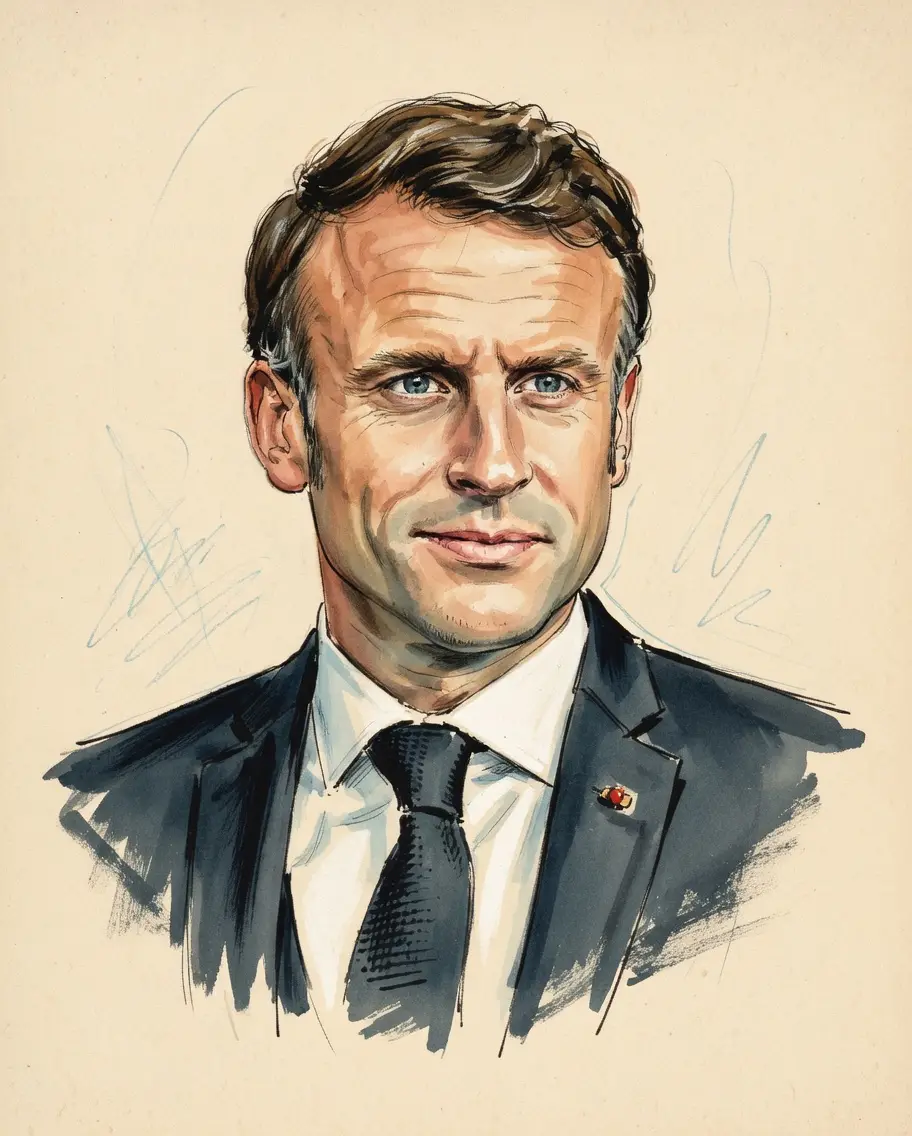
Emmanuel Macron on Benjamin Netanyahu
TL;DR
Emmanuel Macron has urged Benjamin Netanyahu to exercise restraint, particularly concerning a ground offensive in Lebanon, while maintaining diplomatic contact.
Key Points
He urged the Israeli Prime Minister on March 4, 2026, to avoid a ground offensive against Hezbollah in Lebanon.
The French leader stressed the necessity for all parties to return to the ceasefire agreement.
Relations experienced strain after France declared its intention to recognize Palestinian statehood, a plan Netanyahu complained about in mid-August.
Summary
Emmanuel Macron maintains a position of cautious engagement with Benjamin Netanyahu, prioritizing regional de-escalation when recent tensions arise. He has explicitly called upon the Israeli Prime Minister to refrain from launching a ground offensive into Lebanon, which he deemed a "strategic error" that endangers the entire region. Furthermore, the French President stressed the importance of respecting Lebanon's territorial integrity and urged a return to the existing ceasefire agreement, while also pressuring Hezbollah to cease its attacks.
This dynamic interaction comes after relations previously soured over France's move to recognize Palestinian statehood, an action Netanyahu reportedly objected to by claiming it fueled antisemitism. Despite past diplomatic strain, Macron continues direct high-level communication with the Israeli leader to manage immediate crises, conveying France's clear policy concerns directly to Netanyahu regarding potential escalatory military actions.
Frequently Asked Questions
Emmanuel Macron's position is characterized by direct diplomatic engagement, marked by specific calls for restraint. He has recently urged the Israeli Prime Minister to avoid expanding military action into Lebanon to prevent wider regional instability.
Yes, the French President spoke with the Israeli Prime Minister by phone on Wednesday, March 4, 2026. This conversation focused heavily on the escalating situation concerning Hezbollah in Lebanon.
While the overall relationship has seen friction, particularly over the Palestinian statehood issue, the current stance is one of attempting to manage an immediate crisis. His communications show a consistent effort to influence Israeli military decisions regarding Lebanon.
Sources4
France's Macron urges Netanyahu not to go after Hezbollah on the ground in Lebanon
Israeli ground op. in Lebanon will 'strengthen Hezbollah,' France tells Israel - exclusive
Iran-Israel War: Emmanuel Macron Urges Benjamin Netanyahu To Avoid Ground Offensive In Lebanon
Macron: I spoke with Netanyahu, asked him to avoid ground offensive in Lebanon
* This is not an exhaustive list of sources.