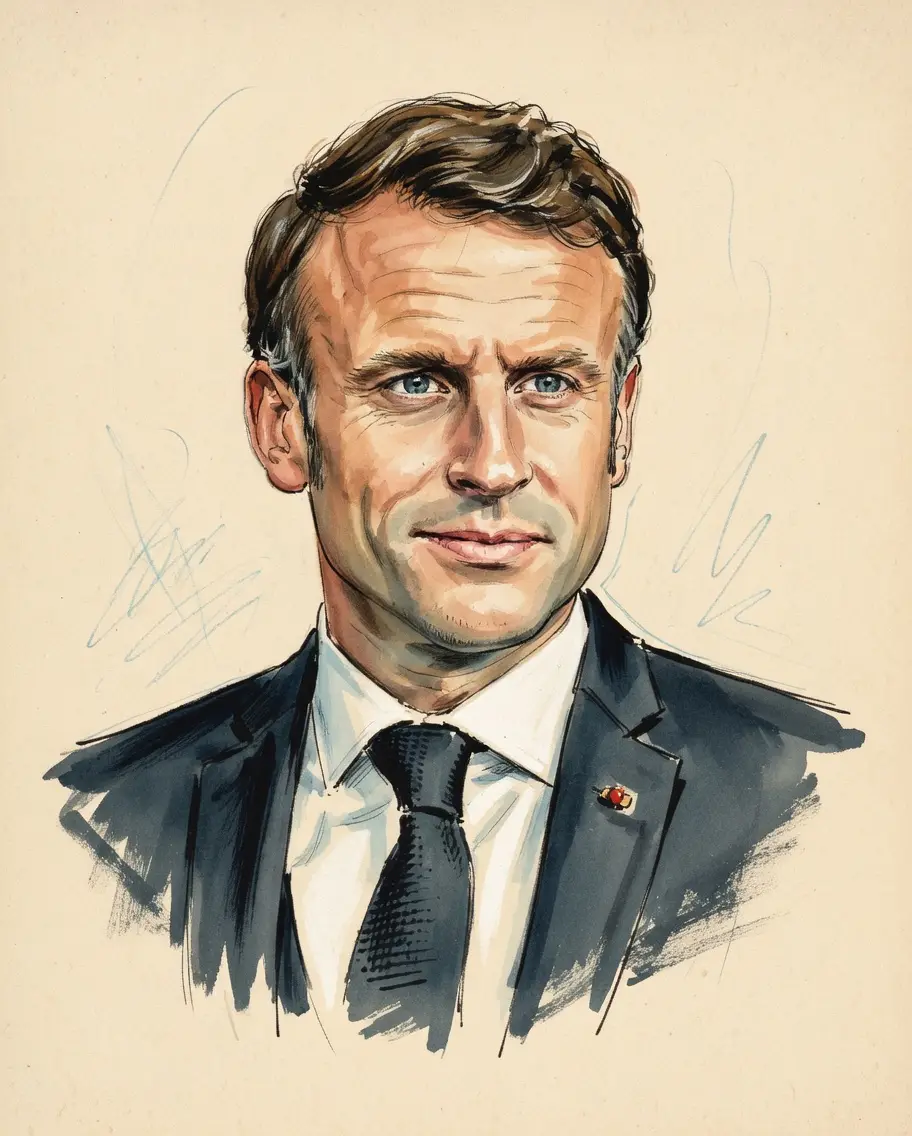
Emmanuel Macron on United States
TL;DR
Emmanuel Macron advocates for European strategic autonomy while acknowledging the US as a necessary, yet unpredictable, security partner.
Key Points
He warned that US trade 'threats' and 'intimidation' towards the EU are not over, urging the bloc to push through reforms after the 'Greenland moment.'
He advocates for 'forward deterrence' in European nuclear strategy, noting that French deterrence is robust and effective, but the US reordering of priorities incentivizes European security autonomy.
He stated that the strategy of 'bowing down to the US' does not work, as the US administration is perceived as being 'openly anti-European' and seeking the EU's dismantling.
Summary
Emmanuel Macron views the United States as a crucial but increasingly unreliable security partner, particularly given perceived shifts in US priorities and transactional behavior towards the European Union. He has warned that apparent lulls in US threats or intimidation should not be mistaken for a lasting change, citing the need for the EU to prepare for ongoing instability and openly anti-European postures from the US administration. This perception stems from actions like US withdrawal from treaties and perceived 'threats and intimidation' concerning trade and digital regulation.
Consequently, his core strategy centers on strengthening European sovereignty and resilience to avoid becoming a 'vassal' state subject to external whims, whether from Washington or Beijing. While acknowledging that US allies have historically played a key role in European defense, he argues that recent US actions serve as a strong incentive for Europe to take greater charge of its own destiny, emphasizing 'European preference' over pure free trade and calling for common EU borrowing capacity to achieve this self-reliance.
Frequently Asked Questions
Emmanuel Macron maintains a position of pragmatic sovereignty regarding the United States. He acknowledges the long-standing role of US allies in European defense but views current US actions as a strong incentive for Europe to achieve greater autonomy. He frames the relationship as one requiring firmness against aggression to avoid increasing European dependence.
His core message for European sovereignty has been consistent, but the context has hardened his tone and policy proposals. Recent perceived transactional behavior and trade threats from the US have reinforced his call for the EU to react more swiftly and collectively, viewing recent turbulence as a 'profound geopolitical rupture.'
He has warned that threats and intimidation from Washington are ongoing, despite temporary lulls. He pointed to US withdrawal from arms control treaties and pressure over digital regulation as examples of disruptive, unpredictable behavior. He stressed that Europe must not be 'spectators' or 'vassals' to these external forces.