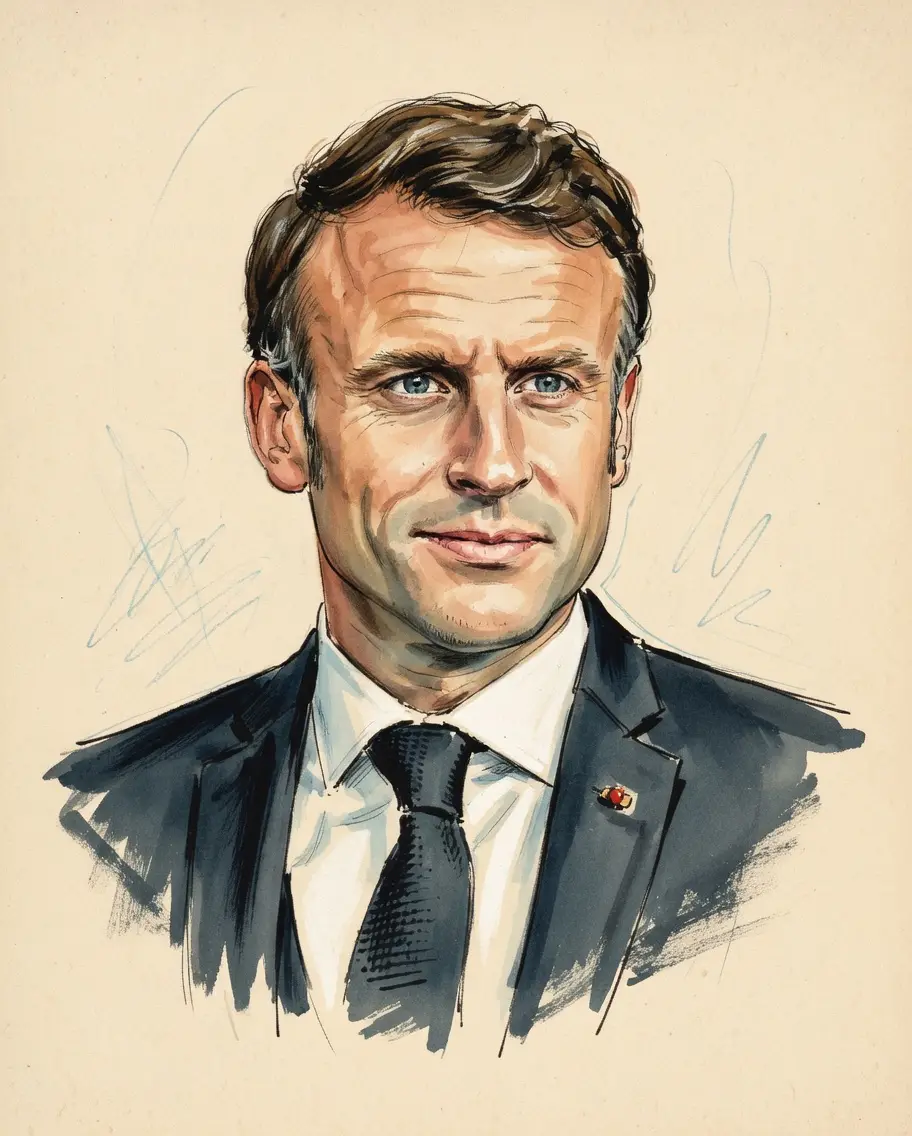
Emmanuel Macron on Vladimir Putin
TL;DR
Emmanuel Macron exhibits a complex stance, balancing sharp condemnation with a persistent, though often frustrated, pursuit of dialogue with Vladimir Putin.
Key Points
He called for preparations to resume contact with Putin in early January, suggesting it might be 'useful' to reopen discussions in a transparent framework.
He stated he does not believe the Russian leader is willing to engage in good-faith discussions or negotiations.
He has publicly condemned the Russian leader by calling him a 'predator' and an 'ogre' in separate instances.
Summary
Emmanuel Macron's position regarding Vladimir Putin is characterized by a dynamic tension between strong moral condemnation and a pragmatic belief in the necessity of diplomatic contact. He has, at times, used starkly negative language, describing the Russian president as a "predator" and an "ogre," which has drawn sharp reactions from Moscow and crossed stated lines of decency for some observers. Despite these harsh appraisals, the French President has consistently advocated for maintaining lines of communication, arguing that European interests necessitate re-engagement and that dialogue should be found within a transparent framework, especially as other major international players shift their own positions.
This pattern of alternating between strong critique and overtures for discussion marks an evolution in his approach. Early in the conflict, he pursued direct talks, a stance that has been met with skepticism by some European allies who argue such engagement lends legitimacy to the regime and that Putin lacks the appetite for good-faith negotiations. His diplomatic efforts, including sending an advisor to Moscow, have often concluded frostily, yet he continues to emphasize the long-term need for Europe to be at the table to prevent unfavourable deals being struck without their input.
Frequently Asked Questions
Emmanuel Macron maintains a position that strongly condemns Vladimir Putin's actions, particularly regarding the war, using terms like 'predator.' Despite this negative view, he persistently argues that maintaining a channel for European dialogue with the Russian leader remains a strategic necessity. He seeks to prevent unilateral deals between Moscow and other global powers.
Yes, his stance has evolved, moving between firm dialogue attempts and harsh public condemnation. While he previously sought direct negotiations, he has recently emphasized that Putin has shown no appetite for good-faith discussions. This suggests a shift toward a more cautious, though still open, posture regarding engagement.
After recent events, Emmanuel Macron has stressed the need for Europe to re-engage with Vladimir Putin to ensure their interests are represented, even while acknowledging the difficulty of meaningful talks. He insists that European powers must be at the table in any future discussions concerning the conflict.
Sources7
We should not resume talks with Putin's Russia - RAAM
French President Emmanuel Macron says doesn't believe Putin willing to get out of Ukraine conflict
Macron announces preparations to resume contact with Putin
France's Macron Calls for Re-Engagement With Putin
Macron extends olive branch to Putin, Kremlin fires back with conditions: No lecture allowed
Russia says Macron crossed line of decency by calling Putin an ogre
* This is not an exhaustive list of sources.