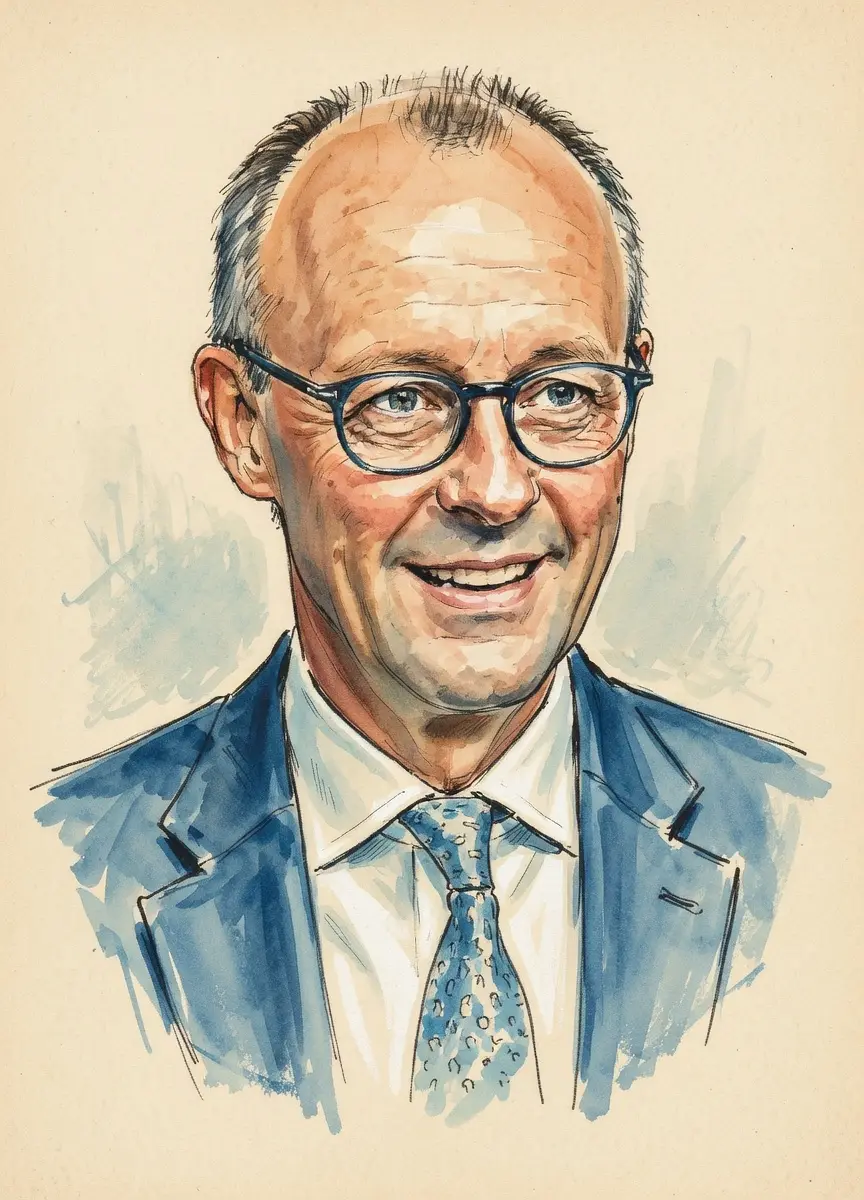
Friedrich Merz
- Known for
- German politician, Chancellor of Germany
- Born in
- Brilon, West Germany
- Education
- University of Marburg
Friedrich Merz is the Chancellor of Germany and the Leader of the Christian Democratic Union (CDU), representing the traditional, pro-business conservative wing of the party. Having returned to full-time politics after a successful career as a corporate lawyer and multimillionaire, his tenure is marked by a decisive shift away from the Merkel era.
Signature Positions
Merz has emphasized a strong agenda focused on fiscal conservatism, security, and migration control:
- Defence Spending: Pushed for increased military spending by exempting it from the debt brake rule to strengthen the Bundeswehr.
- Asylum/Migration: Advocates for limiting irregular migration, calling for comprehensive rejections at the border and increased deportations to Syria and Afghanistan.
- Economic Policy: Promotes economic liberalism and capitalism, as detailed in his book Mehr Kapitalismus wagen.
- Foreign Policy: A staunch pro-European and Transatlanticist, supporting a closer EU union and advocating for nuclear sharing talks with France and the UK.
- Energy Policy: Considers the phase-out of nuclear power a "grave strategic mistake" for Germany.
Notable Tensions
Merz's political journey is defined by several notable shifts and internal party conflicts:
- AfD Stance: Despite previously promising to "sell his soul" by refusing any cooperation, Merz allowed CDU motions to pass with AfD votes in the Bundestag.
- Israel Policy: His strong initial support for Israel, including inviting Netanyahu to counter the ICC warrant, dramatically shifted to imposing military export restrictions to Gaza months later, before revoking them.
- Migration Rhetoric: Accused of dog-whistling by referring to rejected asylum seekers as "social tourists" and making controversial remarks about "little pashas" in schools.
- Secondary Income: Faced criticism during his previous political tenure over numerous secondary jobs, which he pledged to cease upon returning to parliament in 2021.
Merz's rise to Chancellor in 2025 was historic, requiring two rounds of voting to secure a majority following the CDU's plurality win. He immediately engaged in high-level foreign policy, stressing European unity and strengthening ties with France and Poland. His government represents a significant break from the centrist path of his predecessors, particularly regarding defense and fiscal responsibility.