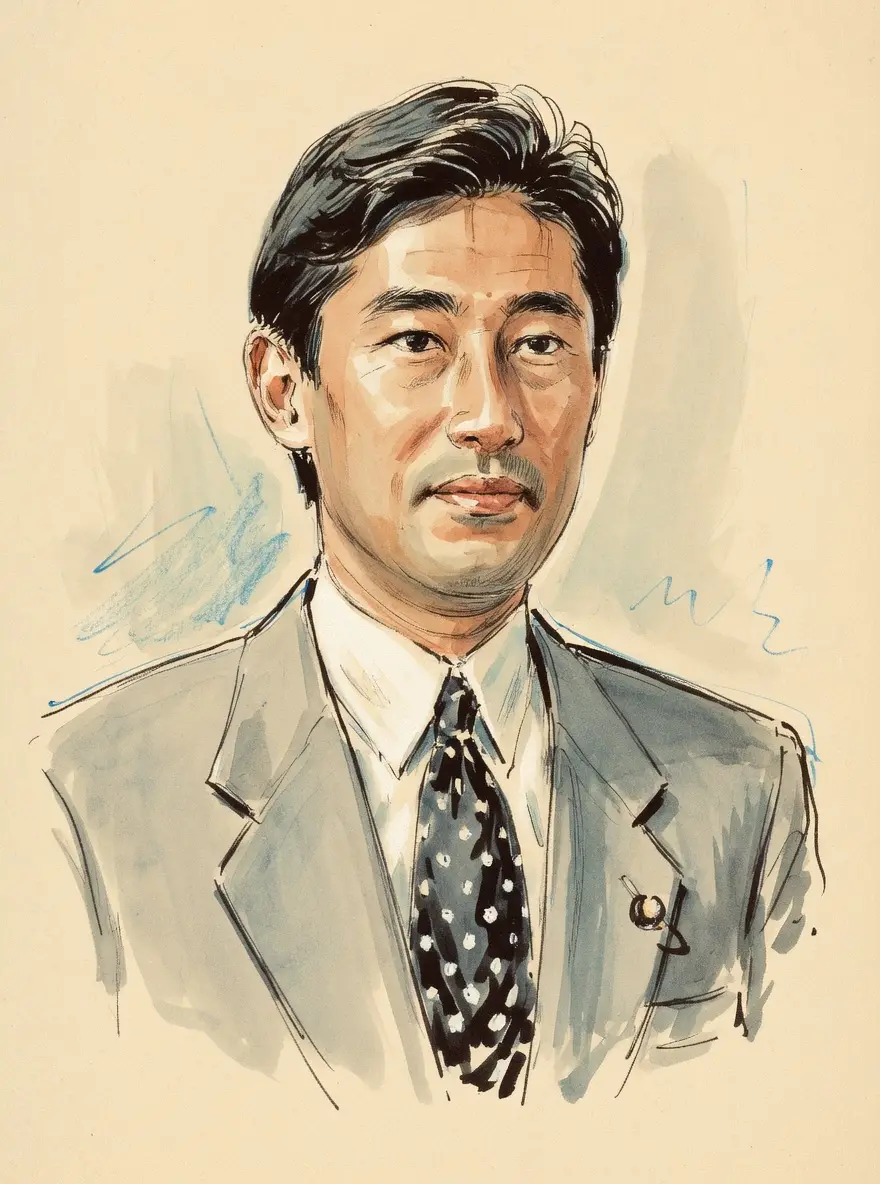
Fumio Kishida on Foreign Policy
TL;DR
Fumio Kishida has prioritized strengthening alliances, increasing defense capabilities, and taking a more assertive role in global security.
Key Points
He strongly supported the G7 consensus by imposing strict sanctions on Russia following the 2022 invasion of Ukraine.
Kishida has overseen a major increase in Japan's defense spending, committed to a long-term budgetary shift toward security.
His administration emphasized diplomatic engagement with Southeast Asia and the Pacific Islands as part of his FOIP vision.
Summary
Fumio Kishida’s foreign policy centers on the concept of a "Free and Open Indo-Pacific" (FOIP), marking a significant departure from the more reserved approach of his predecessor. He has strongly emphasized bolstering alliances, particularly with the United States, while simultaneously deepening ties with diverse partners across the Global South, which he has framed as an essential element of a new diplomatic era. His administration has moved to substantially increase Japan's defense budget and acquire counterstrike capabilities, signaling a proactive stance on national security in response to a challenging regional environment.
This policy shift represents an evolution from his earlier positions, as he has consistently pushed for greater engagement beyond traditional security frameworks. The administration has navigated complex relationships, maintaining a critical but pragmatic approach toward China while imposing strict sanctions on Russia following the invasion of Ukraine. Kishida's legacy in foreign policy is thus defined by this dual focus on strengthening Japan's security posture while actively championing a rules-based international order through robust diplomacy.
Frequently Asked Questions
Fumio Kishida's core strategy revolves around the "Free and Open Indo-Pacific" concept, which he champions as essential for regional stability. This involves strengthening the Japan-US alliance while diversifying security and economic partnerships across the globe. His approach seeks to uphold a rules-based international order against regional challenges.
Yes, Fumio Kishida has overseen a clear shift toward a more assertive defense posture, moving away from post-war pacifist constraints. He initiated significant increases in the defense budget and publicly supported Japan acquiring counterstrike capabilities. This represents a major evolution in the nation's security policy under his leadership.
The administration maintains a position toward China that is characterized as both critical and pragmatic. While he has pushed back against assertive actions, Fumio Kishida has also sought to maintain high-level dialogue to manage the complex bilateral relationship. He prioritizes upholding international norms in dealing with Beijing.
Sources9
Kishida’s Foreign Policy Legacy
Kishida has transformed Japanese foreign policy. Who is his successor?
Japan’s Foreign Policy Direction under Kishida
Japan’s Foreign Policy Under Kishida: Hits and Misses
Kishida’s Legacy of Global Success Amid Domestic Distress
Japan can: Foreign policy achievements to save Kishida?
The Complex Legacy of Fumio Kishida
Strengthening Diplomacy for a Free and Open Indo-Pacific
Japan’s Foreign Policy Direction Under Kishida
* This is not an exhaustive list of sources.