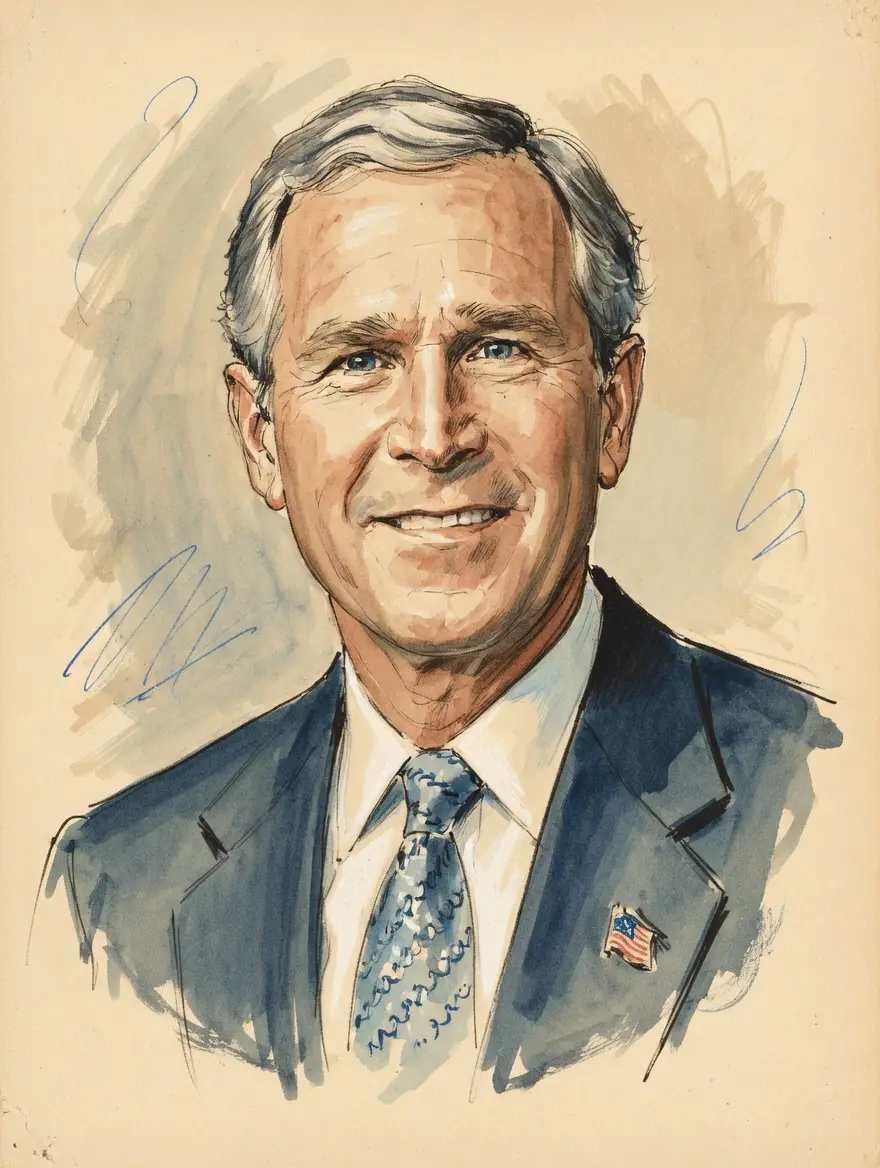
George W. Bush on Presidential Legacy
TL;DR
George W. Bush actively manages his presidential legacy through post-presidency actions and maintaining a low political profile.
Key Points
He actively cultivates his post-presidency by maintaining a relatively low public profile to avoid undermining current leaders.
His presidential center and library serve as key mechanisms for establishing and controlling the narrative of his administration's historical impact.
Historians acknowledge that a president's legacy is often debated and shaped by the context of future events and the success of succeeding administrations.
Summary
George W. Bush’s view on his presidential legacy is demonstrated primarily through his post-White House conduct and institutional preservation efforts. He appears to adhere to a tradition of former presidents stepping back from current politics to avoid undermining the sitting administration, which is often seen as a key part of responsibly managing one's historical image. This lower profile contrasts with some predecessors, suggesting a deliberate choice to let history and his presidential center shape the narrative rather than engage in contemporary political commentary.
This effort to shape perception is supported by the establishment of his presidential library and foundation, which serve as centers for curating scholarly work and public memory surrounding his administration. The debate over his historical standing suggests that his legacy remains complex, with some historians noting that the assessment of his policies will continue to evolve over time, influenced by subsequent world events. His current stance focuses on controlled presentation through these institutions, rather than direct engagement in partisan debates.
Frequently Asked Questions
George W. Bush's position on his presidential legacy is expressed primarily through his deliberate post-presidency actions, such as keeping a low political profile. He manages his historical image by focusing on non-partisan charitable work and the institutional output of his presidential library.
While his initial presidency generated highly polarized views, his post-presidency stance has been relatively consistent in prioritizing quiet diplomacy and avoiding public criticism of his successors. This consistency in conduct suggests an ongoing strategy for legacy management rather than an evolution of core views on the role of an ex-president.
George W. Bush has stated that he believes presidents should retire quietly so as not to undermine the sitting commander-in-chief, which guides his current public engagements. His legacy assessment is largely handled by scholarly works and his foundation's activities, rather than through direct, frequent commentary on his own historical standing.