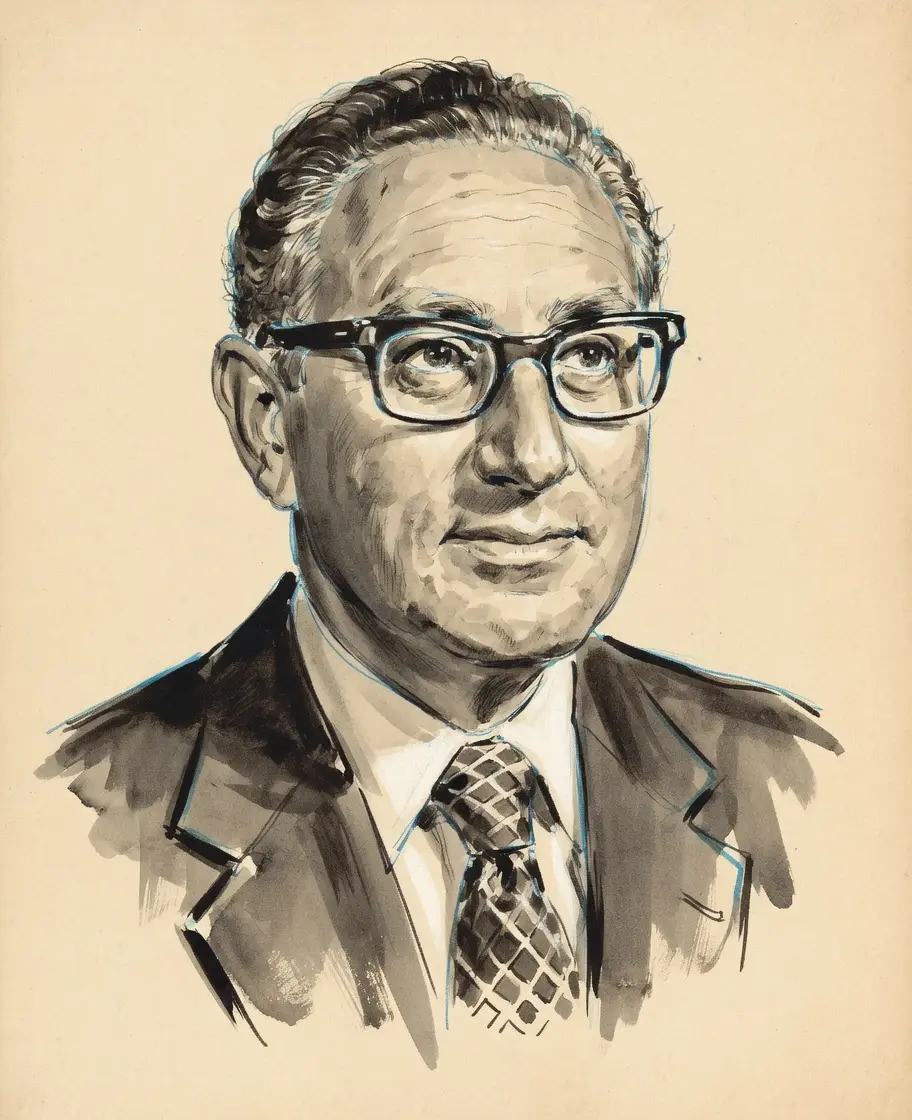
Henry Kissinger on Détente
TL;DR
Henry Kissinger viewed Détente as a necessary, pragmatic framework for managing the enduring rivalry with the Soviet Union.
Key Points
He viewed Détente as necessitating a clear, dispassionate assessment of the balance of power between the US and the USSR.
The policy involved linking progress on security issues, like arms control agreements, to Soviet behavior in other global theaters.
He distinguished his concept from the Soviet goal, asserting that American purpose was not abandonment of principles, but crisis management.
Summary
Henry Kissinger championed Détente as a crucial foreign policy mechanism designed not to end the Cold War conflict with the Soviet Union, but to manage the inherent risks and transform the relationship into a more predictable structure. His core position was rooted in a strategy of linkage, seeking to achieve progress in one area, such as arms control, by offering reciprocity in another, like trade or diplomatic engagement. This approach sought to introduce incentives for Soviet restraint and cooperation, moving beyond ideological confrontation toward a balance of power based on mutual interest and calculated risk-taking. He believed this framework was essential for global stability, particularly given the emerging multipolar world and the specter of nuclear escalation.
This concept of an ordered relationship evolved from the Nixon administration's approach, which contrasted sharply with previous policies of containment or confrontation, though it did not imply an end to fundamental ideological competition. The architect saw it as a durable geopolitical arrangement, albeit one constantly requiring careful calibration to prevent Soviet opportunism from exploiting perceived weaknesses. The success of the policy, in his view, depended on maintaining a credible national strength while persistently engaging the adversary in structured dialogues concerning areas of mutual concern, thereby institutionalizing a less dangerous rivalry.
Frequently Asked Questions
Henry Kissinger strongly advocated for Détente as the principal means of managing the Cold War rivalry with the Soviet Union. He saw it as a pragmatic framework to reduce the risk of catastrophic conflict through structured engagement. His position was that it was a necessary strategy for stability, not an ideological reconciliation.
No, the former advisor did not believe Détente represented the end of the conflict or ideological competition with the Soviet bloc. He maintained that the fundamental antagonism remained, but Détente offered a mechanism to institutionalize the rivalry in a less dangerous manner. The goal was managing competition, not achieving friendship.
The core strategy behind the architect's concept was linkage, tying progress in one area of US-Soviet relations, like strategic arms limitation, to the other's conduct in different regions or aspects of foreign policy. This was intended to introduce incentives for mutual restraint and predictability in global affairs.