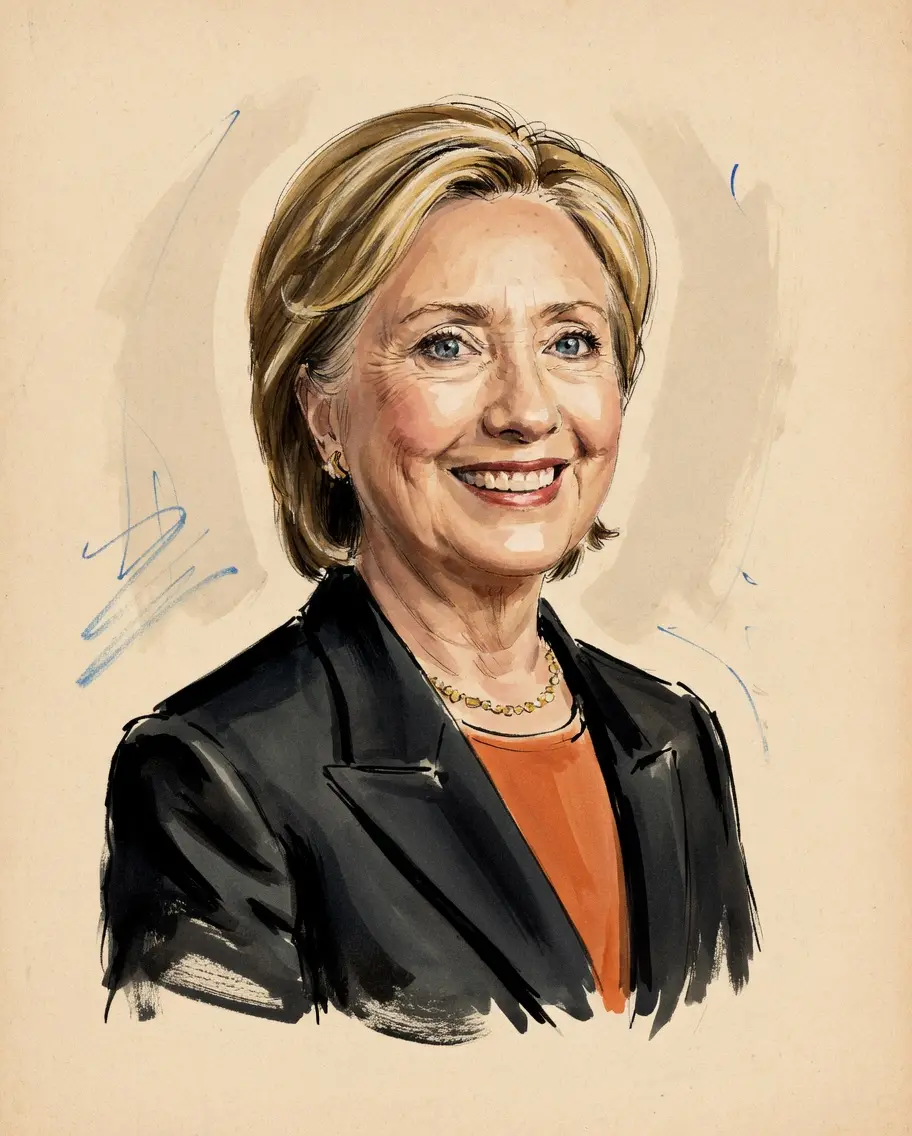
Hillary Clinton on Universal Healthcare
TL;DR
Hillary Clinton has consistently advocated for achieving universal health coverage through various plans emphasizing choice and affordability.
Key Points
She spearheaded the 1993 Health Security Act, which sought universal healthcare coverage but was ultimately abandoned before a full Congressional vote.
She commended later efforts at expanding healthcare coverage, citing her role in initiating the State Children's Health Insurance Program.
In 2007, she unveiled a $110bn plan to introduce universal healthcare, stating it would not be a government-run scheme.
Summary
Hillary Clinton’s position on universal healthcare is defined by a long-standing commitment to ensuring coverage for all Americans, a focus exemplified by her leadership role in the 1993 Health Security Act, often referred to as "Hillarycare." That early proposal, which aimed for universal coverage through managed competition among private plans, ultimately failed to pass Congress and remains a significant historical reference point for her policy efforts. She has since championed efforts to expand coverage, specifically citing her work on the State Children's Health Insurance Program as a key achievement in this area.
During her 2008 and 2016 presidential campaigns, she continued to advocate for broad healthcare reform, sometimes drawing comparisons between her past efforts and later legislation like the Affordable Care Act, which she supported. While the 1993 plan focused on employer mandates and government oversight, subsequent positions have stressed making systems more accessible and affordable, ensuring everyone has a choice of plans with federal tax subsidies for the poorest individuals. She has strongly framed the issue as a necessity for all citizens, differentiating her plans from a purely government-run scheme.
Frequently Asked Questions
Hillary Clinton strongly supports the goal of achieving universal healthcare coverage for every American citizen. She views affordable and accessible health care as a fundamental necessity. Her approach has historically centered on expanding coverage through systems that incorporate private plan choices subsidized by federal tax credits for lower-income citizens.
Yes, her approach has evolved since the failure of her initial major effort in 1993. While the goal of universal coverage has remained consistent, her 2007 proposal was presented as a simpler system than the complex Health Security Act. She also supported the Affordable Care Act, signaling an acceptance of a different legislative path to expanding access.
Hillary Clinton has frequently referenced the 1993 effort, sometimes pointing out that the concept of universal healthcare predated the Affordable Care Act, which she often referred to as being called "Hillarycare" first. She has discussed fighting the status quo and special interests, noting the difficulty in passing such comprehensive reform through Congress.
Sources5
Hillary Clinton Campaign Press Release - Statement on Health Care Reform
Clinton unveils $110bn universal health plan | World news | The Guardian
"Hillarycare" (The proposed Health Security Act of 1993) - Ballotpedia
Stand – Dec. 27, 2007 | Archives of Women's Political Communication
Universal healthcare was unthinkable in America, but not any more
* This is not an exhaustive list of sources.