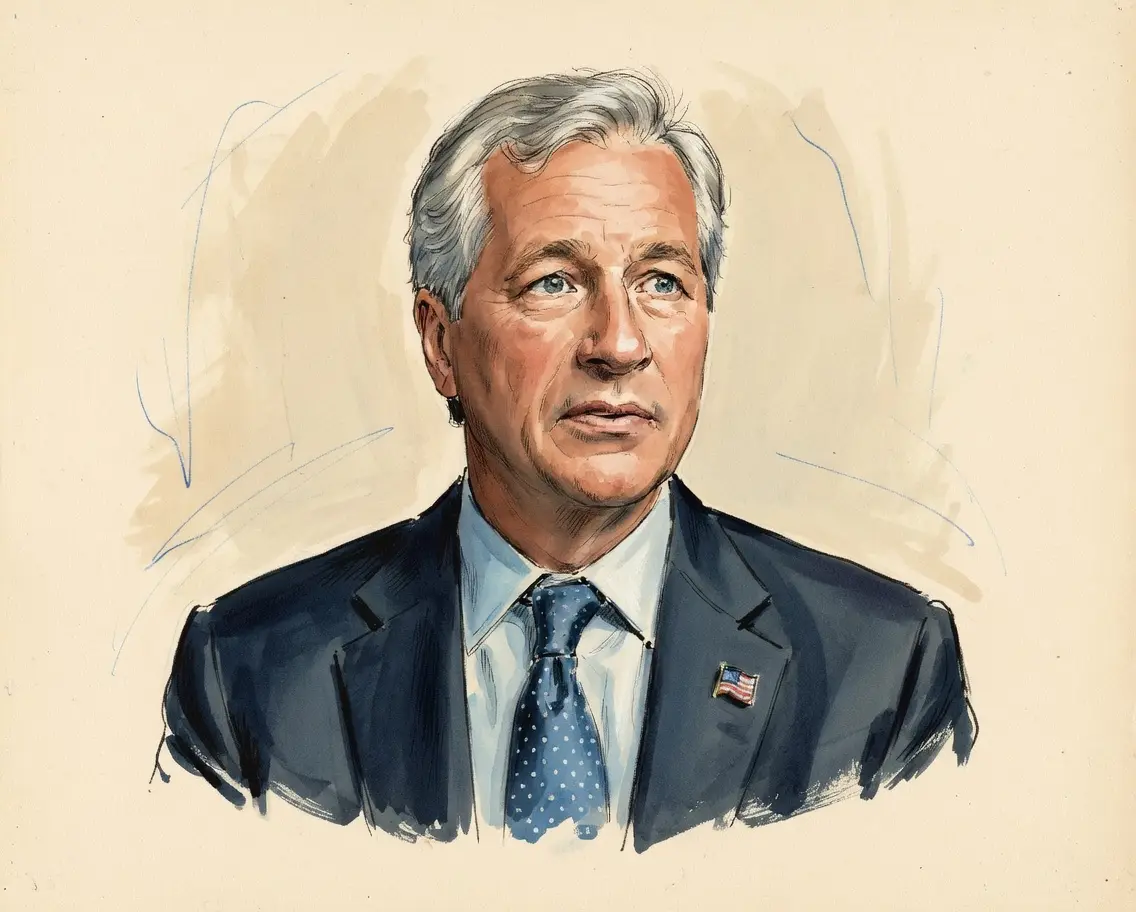
Jamie Dimon on China
TL;DR
Jamie Dimon is not afraid of China as an adversary but is more concerned with the United States resolving its internal challenges.
Key Points
He stated he is not afraid of China, viewing it as a potential adversary with significant internal problems.
He is more concerned about the United States getting its own domestic act together through deregulation, education, and economic growth.
JPMorgan Chase allocates significant investment to cybersecurity to protect against China-related threats in a context of tectonic geopolitical shifts.
Summary
Jamie Dimon, the CEO and Chairman of JPMorgan Chase, articulates a position on China characterized by pragmatic acknowledgement of its economic strength and competitive posture, coupled with a strong domestic focus. He stated he is not afraid of China, which he views as a potential adversary doing many things well in areas like AI and robotics, while simultaneously possessing significant internal weaknesses, such as poverty and regional tensions. Dimon has emphasized that the most critical strategic issue is the United States' capacity to address its own domestic problems, including education, regulation, and immigration, believing that rectifying these internal issues will secure America's global standing.
The executive’s view implies a balanced assessment of geopolitical risk versus domestic necessity, a stance that evolved around trade tensions, including recent tariff disputes between the two nations. He underscored that national security is critical in trade matters and noted JPMorgan Chase spends considerable resources protecting itself and its clients from cybersecurity risks emanating from China. Despite the competition, he indicated that his firm sees a broad-based recovery in China, suggesting continued business engagement is warranted alongside geopolitical vigilance.
Frequently Asked Questions
Jamie Dimon acknowledges that China is doing many things well, particularly in cutting-edge sectors like AI, cars, and robotics, projecting them to capture a significant share of the pharmaceuticals market. However, he balances this by pointing to major domestic challenges, including widespread poverty and regional geopolitical friction.
Yes, he has acknowledged the significance of trade tensions, such as tariff disputes, viewing national security as a critical element within trade policy. He emphasized that his firm actively spends on cybersecurity to protect clients from threats related to China.
No, the executive explicitly stated he is not as worried about China as he is about the US. He believes America's primary focus must be on internal improvements, such as fixing immigration and fostering pro-business policies, to remain prosperous.
Sources6
Not available
Not available
Jamie Dimon says he's not afraid of China, but worries about America's own challenges
Not available
Not available
Not available
* This is not an exhaustive list of sources.