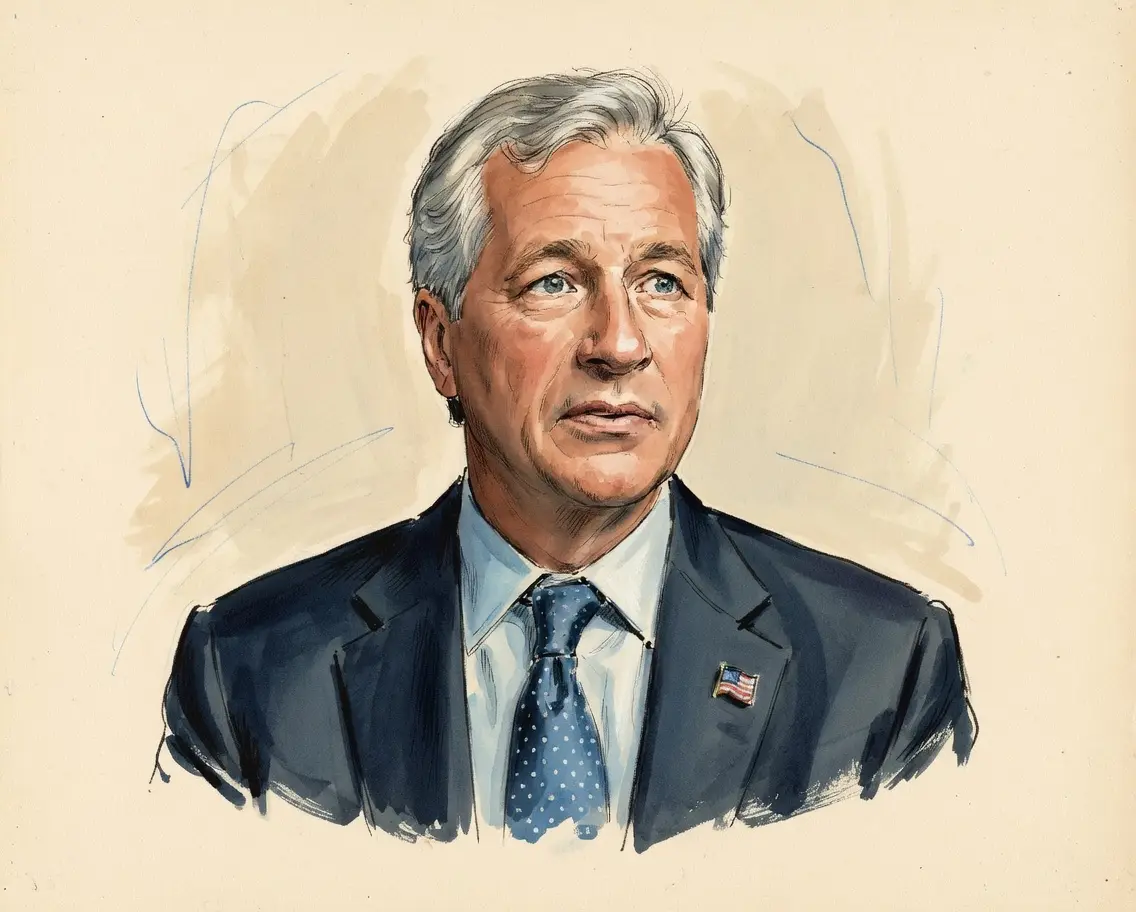
Jamie Dimon on Inflation
TL;DR
Jamie Dimon warns that higher inflation risks are present and could surge unexpectedly, largely due to geopolitical instability.
Key Points
He warns that prolonged Middle East conflict could escalate gas prices and deliver a major inflationary hit to the economy.
He previously identified inflation as a major risk to the economy, likening it to a "skunk at the party" in early March 2026.
He notes that structural cost increases from factors like reshoring and large government deficits are keeping inflation persistently elevated.
Summary
Jamie Dimon, the Chief Executive Officer of JPMorgan Chase, has issued strong warnings regarding the persistent and potentially increasing risks of inflation, describing it as a potential "skunk at the party" for the otherwise seemingly sound U.S. economy. His core position suggests that current market complacency regarding inflation is unwarranted, as underlying pressures remain, exacerbated by geopolitical events, especially conflicts in the Middle East. He emphasizes that while the economy appears stable with healthy consumer and corporate balance sheets, this good surface appearance could be quickly disrupted if a major supply shock, particularly in energy markets, materializes.
The implications of his stance focus heavily on external variables like prolonged conflict near the Strait of Hormuz, which threatens global oil supply and could push energy prices significantly higher, forcing a more hawkish response from the central bank. He points to structural factors like large fiscal deficits and costs associated with reshoring/supply chain restructuring as contributing to sticky inflation pressures that transcend temporary cycles. His recurring theme is a call for markets to account for risks that are currently being ignored, even if they are not the base-case scenario for asset prices.
Frequently Asked Questions
Jamie Dimon maintains a cautious and negative view on inflation, frequently warning that risks for it to rise above current expectations persist. He argues that underlying economic forces and geopolitical instability could reignite significant price pressures when markets are not prepared.
His stance has evolved from flagging general risks to specifically tying recent inflationary potential to global geopolitical conflicts, such as strikes in the Middle East, which act as immediate catalysts. While he has always been wary, the specific triggers and immediacy of the threat have been updated in his recent commentary.
He described inflation as the "skunk at the party," implying that while the party (the economy) seems fine now, the smell of inflation could suddenly ruin the outlook. He links this risk to energy price shocks and structural economic factors.
Sources5
Dimon warns higher inflation risks
JP Morgan CEO has blunt inflation message
Jaime Dimon warns inflation could soar beyond expectations as US, Israeli strikes on Iran spark terror fears
JPMorgan CEO Jaime Dimon: Inflation 'Skunk at the Party' Could Be Back
Dimon warns higher inflation risks being ‘skunk at a party’ | Financial Post
* This is not an exhaustive list of sources.