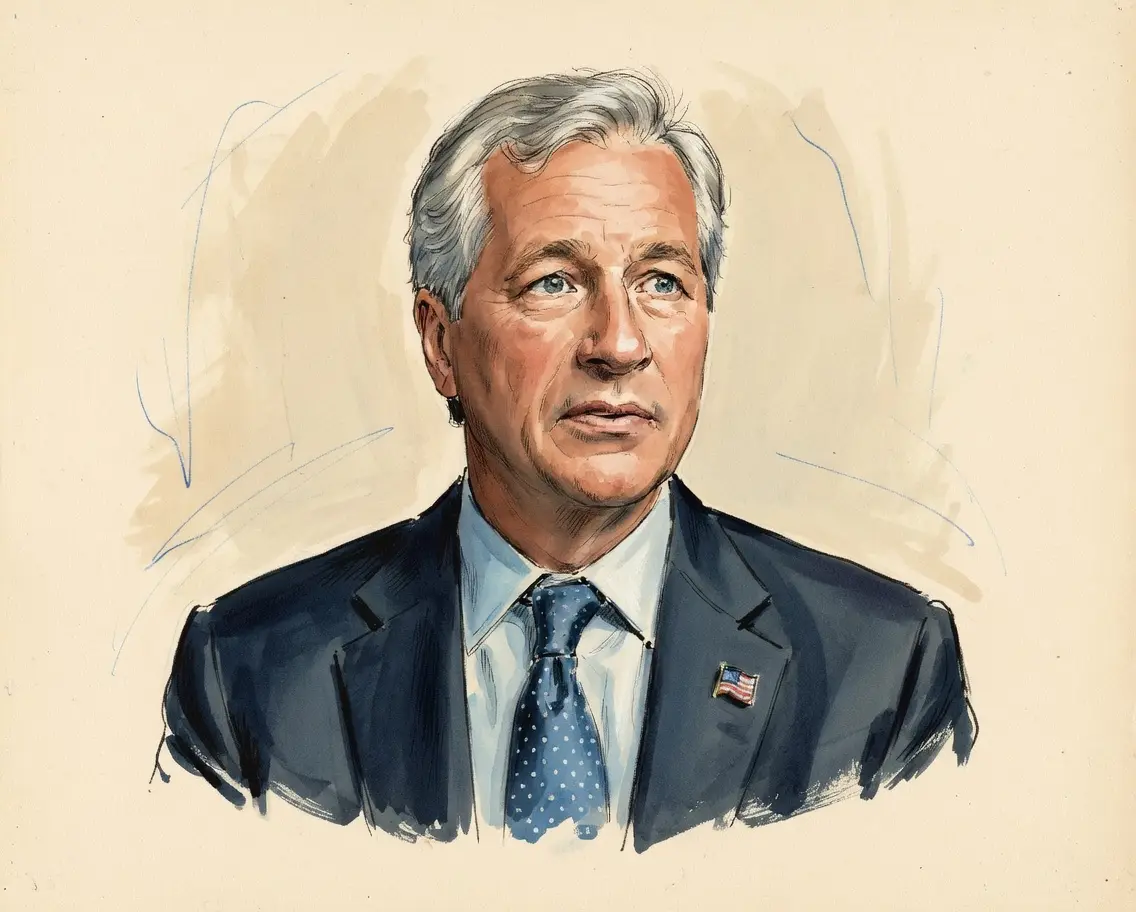
Jamie Dimon on Tariffs
TL;DR
Jamie Dimon has consistently warned that broad-based tariffs risk causing significant economic damage and are not the best solution for trade disputes.
Key Points
He warned that broad tariffs might inflict more economic pain than investors realize, potentially leading to market turbulence.
Dimon suggested in early 2025 that initial tariff moves could be monitored, indicating a willingness to assess outcomes rather than immediately condemn all measures.
He maintains that well-managed trade relationships are crucial, implying that the costs of protectionism outweigh the benefits in many instances.
Summary
Jamie Dimon, the CEO of JPMorgan Chase, generally expresses skepticism and caution regarding the imposition of broad tariffs, viewing them as a tool that can inflict substantial economic pain on the United States and the global system. He has often articulated that while trade needs reform, tariffs are a blunt instrument that can spur inflation, disrupt supply chains, and lead to retaliation, ultimately harming consumers and businesses alike. His perspective emphasizes that the unintended consequences of such protectionist measures frequently outweigh any intended benefits regarding fair trade enforcement or domestic industry protection.
While he has sometimes signaled a degree of patience or a wait-and-see approach regarding specific, initial tariff actions taken by the administration, his long-term stance remains rooted in the belief that multilateral cooperation and negotiated solutions are far superior to escalating trade conflicts. He cautions that investors and markets may be underestimating the potential for turbulence that widespread tariffs could introduce into the already fragile economic environment. His commentary often frames the issue through the lens of market stability and global economic health.
Frequently Asked Questions
Jamie Dimon holds a cautious and generally negative view on broad tariffs, frequently warning they risk creating significant economic pain for the U.S. He believes they can disrupt supply chains and contribute to inflation pressures. He often advocates for negotiated solutions over protectionist trade barriers.
While his core opposition to broad, damaging tariffs remains, his public commentary has sometimes shown a degree of patience regarding new administration policies. He indicated a 'so far, so good' reaction to some early actions, suggesting an assessment-based approach rather than immediate condemnation.
The CEO warned that tariffs could introduce significant turbulence into financial markets, which he believes investors are currently underestimating. He specifically cautioned that they are likely to stoke inflation and hurt businesses and consumers through various mechanisms.
Sources7
Jamie Dimon changes tune on Trump tariffs: ‘So far, so good’
Jamie Dimon says Trump trade tariffs could create ‘major turbulence’ for markets, but so far, so good with new rules
JPMorgan CEO Jamie Dimon on tariffs: ‘We have to be very careful’
Jamie Dimon’s tariff warning
Jamie Dimon Says Tariffs Might Inflict More Economic Pain Than Investors Realize
Jamie Dimon says Trump tariffs could fuel inflation and hurt economy
Jamie Dimon warns of ‘major turbulence’ if new tariffs are enacted
* This is not an exhaustive list of sources.