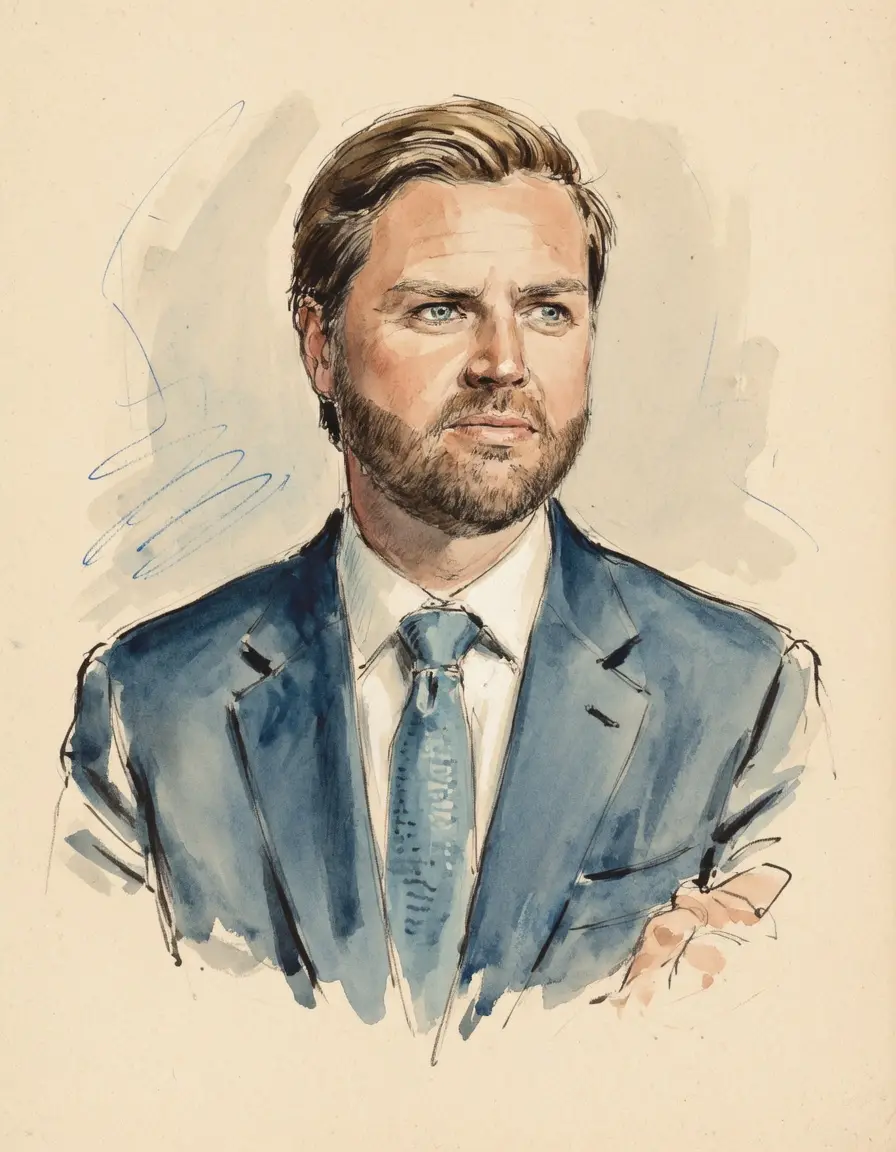
JD Vance on Capitalism
TL;DR
JD Vance advocates for a reformed, nationalistic capitalism prioritizing the working class over financialized, globalized systems.
Key Points
He has expressed concern over the negative impacts of financialization on the American economy and labor since the 1980s.
Vance advocates for a reformed capitalism that directs investment toward domestic manufacturing and worker welfare, rather than prioritizing stock buybacks.
His position includes support for industrial policy measures designed to strengthen the United States' position within global value chains as of 2025.
Summary
JD Vance critiques contemporary American capitalism, arguing that the current system has prioritized financialization and global supply chains at the expense of the domestic working class, particularly in the industrial Midwest. He contends that the emphasis on shareholder value and offshoring has hollowed out American manufacturing and community stability, necessitating a fundamental shift in economic priorities. His vision calls for an economic structure that empowers labor and fosters domestic production, often through strategic state intervention and a focus on national industrial capacity.
This perspective represents an evolution from his earlier views, incorporating elements of industrial policy and a skepticism toward unfettered free-market orthodoxy. Vance supports directing capital and policy toward rebuilding national industry and ensuring that economic success is broadly shared among American families, rather than concentrated among distant elites. He seeks to champion a "working-class capitalism" that is both economically productive and socially conservative, distinguishing his approach from both traditional Reaganite free-market principles and purely socialistic alternatives.
Frequently Asked Questions
JD Vance's core philosophy centers on reforming capitalism to serve the American working class. He argues that the current economic model, dominated by financial interests and globalism, has failed ordinary citizens. Vance seeks a system that actively promotes domestic industry and worker well-being.
Yes, his stance has visibly evolved, moving from an earlier, perhaps more conventionally conservative view to one that explicitly calls for state action and industrial policy. He now vocalizes strong critiques against the negative externalities of the current market system.
JD Vance is generally skeptical of current global market structures, viewing them as detrimental when they facilitate the outsourcing of American jobs. He favors policies that realign global value chains to benefit domestic production capabilities and national interests.
Sources8
JD Vance And Building A Working-Class Capitalism
JD Vance is trying to save capitalism by wrecking it
Sen. J.D. Vance on Financialization, Labor, and Rebuilding American Capitalism
JD Vance Is Wrong: The Market Isn’t a Tool
J.D. Vance, the West, the Global South, and the Global Value Chain
Despite a few passing nods to conservative social issues, Vance’s message was indi...
Sen. J.D. Vance on Financialization, Labor, and Rebuilding American Capitalism
J.D. Vance: America's forgotten working class
* This is not an exhaustive list of sources.