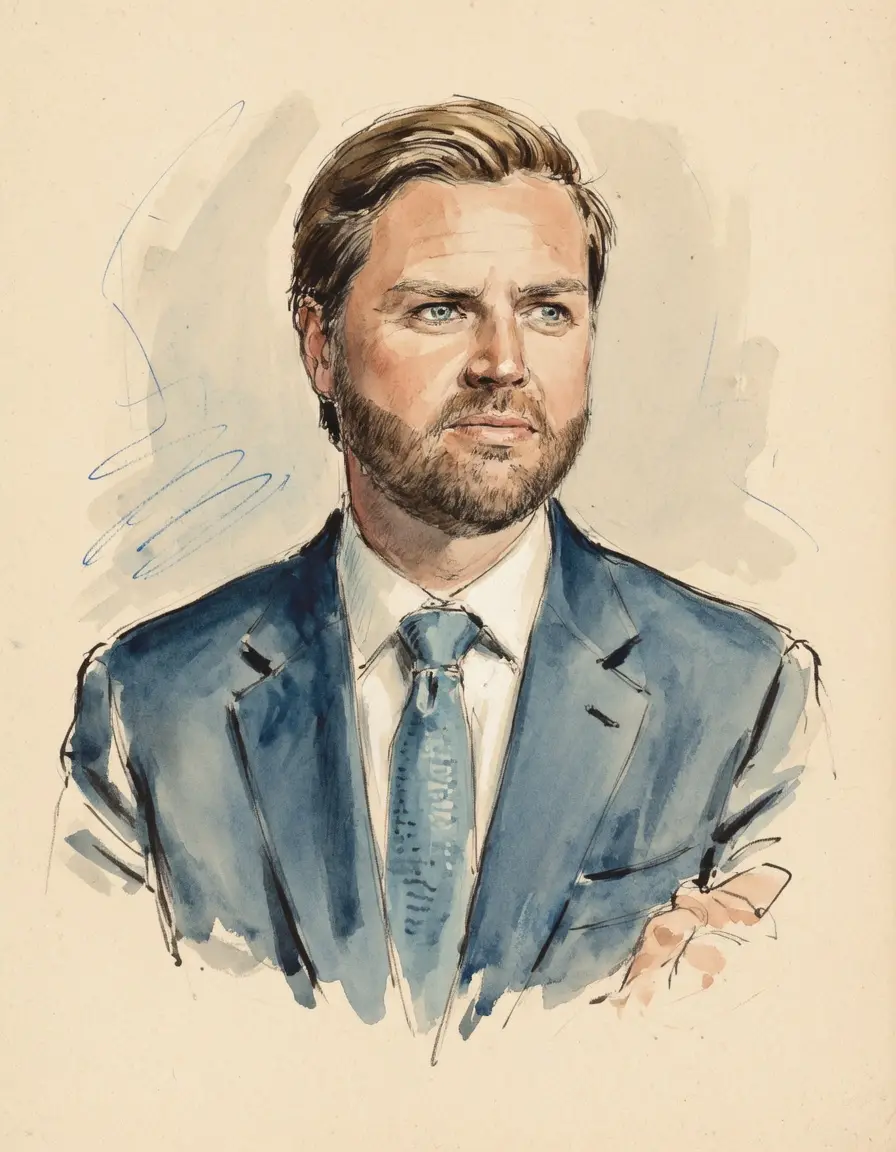
JD Vance on January 6th
TL;DR
JD Vance supports pardoning January 6th defendants who did not commit violence, viewing their prosecutions as unfair.
Key Points
He stated on January 12, 2025, that individuals who committed violence during the Capitol attack obviously should not be pardoned.
He maintained that those who "protested peacefully" but were prosecuted by the Department of Justice should be pardoned to rectify unfair treatment.
After the President granted mass clemency on January 20, 2025, he defended the pardons by citing a "massive denial of due process of liberty."
Summary
JD Vance, the incoming Vice President, articulated a conditional stance on pardoning individuals involved in the January 6, 2021, Capitol attack. He explicitly stated that those who committed violence on that day should not be pardoned, aligning with a distinction made by some others in his party. However, he strongly advocates for pardoning those who he believes were treated unfairly by the justice system, particularly those who he argues 'protested peacefully' but were then prosecuted by the Department of Justice.
This position evolved from earlier support for a blanket pardon; following the President's decision to issue mass clemency for nearly all defendants, Vance defended the action as the "right decision" and spoke of a "massive denial of due process of liberty." The administration frames the extensive clemency as a necessary process of national reconciliation, despite the fact that the broad pardons included many who had assaulted police officers.
Key Quotes
“If you protested peacefully on January 6th, and you've had Merrick Garland's Department of Justice treat you like a gang member, you should be pardoned,”
Frequently Asked Questions
JD Vance asserts that those who committed violence during the January 6th Capitol attack should not receive a pardon. However, he strongly supports pardoning defendants whom he believes were treated unfairly by the justice system, particularly those who protested peacefully.
Yes, his stance has shown nuance over time. Initially, he advocated for a conditional approach, drawing a line at violence, but later supported the President's decision to issue broad pardons for nearly all defendants as a necessary rectification.
He has been highly critical of the prosecutions, describing the process under the prior administration as a "very corrupt system." He views the pardons as a mechanism to "rectify" what he sees as unfair treatment for many defendants.
Sources6
Vance: People who committed violence on Jan 6 'obviously ...
Vance says Capitol rioters guilty of violence should not be ...
Vance defends Trump's Jan. 6 pardons, including those ...
Pardon of January 6 United States Capitol attack defendants
JD Vance spells out what Trump's process to 'rectify' 'unfair' ...
Rep. John Garamendi Statement on Trump Pardoning ...
* This is not an exhaustive list of sources.