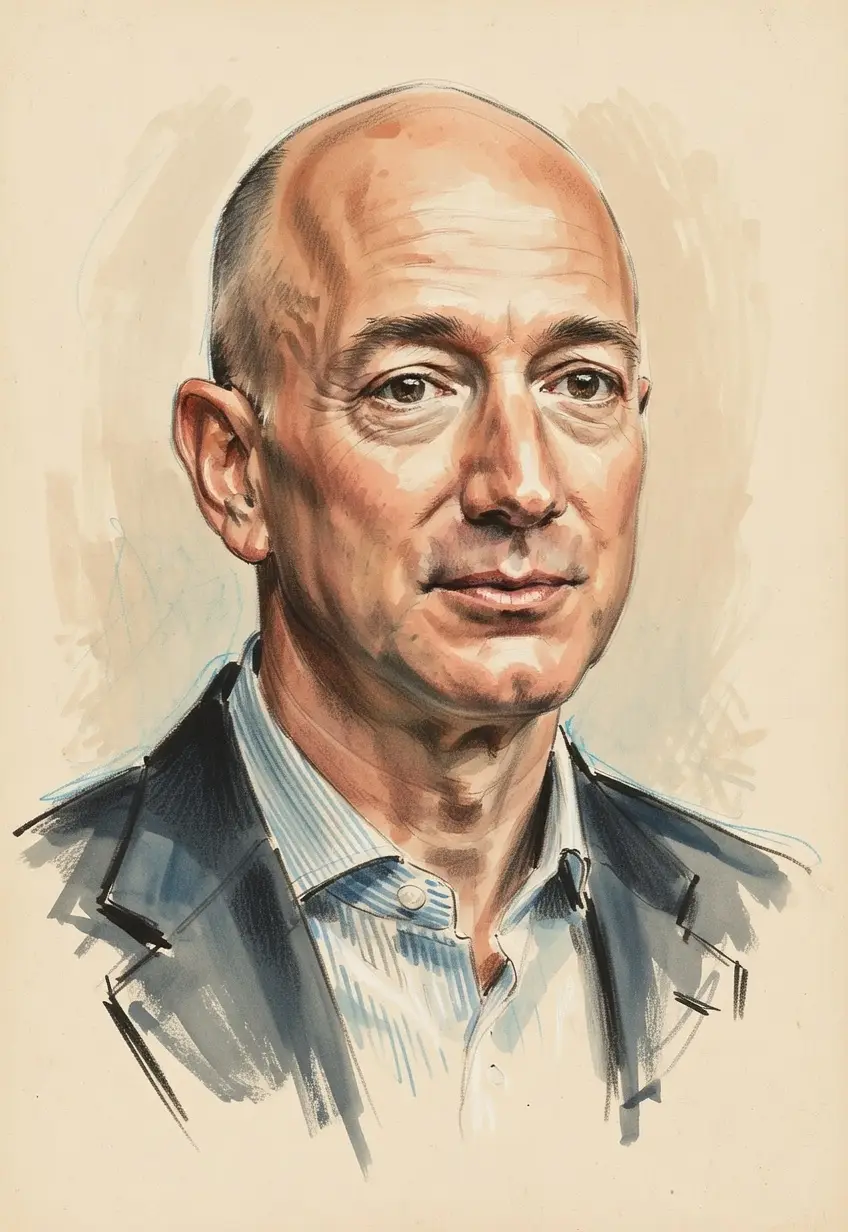
Jeff Bezos on Risk Taking
TL;DR
Jeff Bezos strongly advocates for taking bold, calculated risks, viewing failure as an inseparable twin of invention necessary for huge success.
Key Points
Big winners in business pay for so many failed experiments; he noted the Fire Phone as a significant flop.
He advises that most people should take more risks, as regrets at age 80 are almost always about omissions rather than failures.
To manage risk, he advocates for systematically eliminating risk with early investment dollars but encourages betting on opportunities where one has an information advantage.
Summary
Jeff Bezos champions a philosophy where massive, outsized success can only be achieved by being prepared to swing for the fences and endure a high rate of failure. He believes that invention and failure are inseparable twins, meaning that if an experiment is known to succeed beforehand, it is not a true experiment. To secure those rare, large payoffs, one must be willing to embrace a string of failed experiments, often betting against conventional wisdom, because the potential rewards in business—unlike baseball—are uncapped and can be enormous.
He draws a crucial distinction in decision-making, labeling irreversible choices as Type 1 and reversible ones as Type 2. A key implication of his risk stance is to make Type 2 decisions quickly to maintain nimbleness, as large organizations often default to slow, heavy-weight decision processes for both types, which suffocates experimentation. Furthermore, he suggests using a “regret minimization framework,” advising that people will almost always regret the things they did not attempt rather than those that failed, especially when young.
Key Quotes
When you think about the things that you will regret when you're 80, they're almost always the things that you did not do. They're acts of omission. Very rarely are you going to regret something that you did that failed and didn't work or whatever.
Frequently Asked Questions
Jeff Bezos's core philosophy is that to achieve exceptionally large payoffs, one must be prepared to fail often through experimentation. He views failure and invention as intrinsically linked, meaning that if you are not failing, you are not inventing enough.
He suggests employing the regret minimization framework: imagine oneself at 80 years old and determine what one would regret more—trying and failing or never trying at all. This perspective often reveals that the missed opportunities are the true source of regret.
The founder stated that when considering a high-upside bet, the maximum loss is limited to the cost of the experiment, while the potential value of the invention can be uncapped. He implies that one should take that bet even if the chance of success is low, like ten percent.
Sources4
6 of Jeff Bezos' Risk-Taking Secrets That Anyone Can Use
28 Musk and Bezos quotes on taking more risk - Geoff Blades
Learning from Jeff Bezos: Big winners pay for so many experiments
Take Risks, Not Chances - The Martin Trust Center for MIT Entrepreneurship
* This is not an exhaustive list of sources.