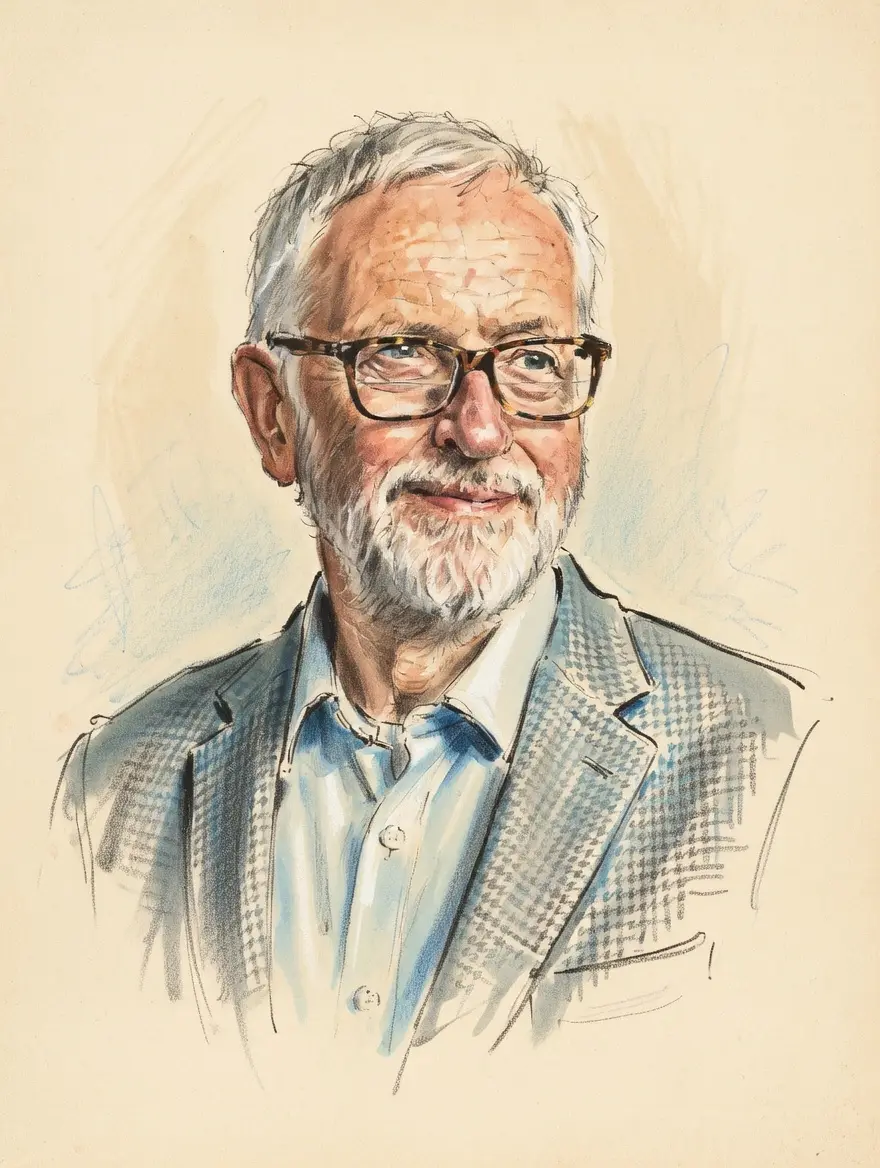
Jeremy Corbyn on Brexit
TL;DR
Jeremy Corbyn's Brexit stance evolved from initial ambivalence to backing a public vote on any final deal, campaigning for Remain against a Tory deal.
Key Points
In the 2016 referendum, he reportedly gave the EU a score of “seven, or seven and a half” out of ten, reflecting a reformist rather than wholehearted Remain stance.
Following Theresa May’s resignation, the Labour Party under his leadership announced it would campaign for Remain in a second referendum against a no-deal or a Conservative deal.
His historical position included voting against the UK’s continued membership in the European Economic Community in the 1975 referendum.
He committed the party to 'respect the referendum' and seek a soft Brexit after the 2017 general election, albeit one ending free movement.
Summary
Jeremy Corbyn's stance on Brexit was marked by a prolonged period of ambiguity, stemming from his history as a long-time Eurosceptic who consistently opposed EU treaties and saw the bloc as too wedded to capitalism. During the 2016 referendum campaign, his visible lack of enthusiasm for the Remain cause drew criticism from colleagues, who believed his position reflected a deeper desire to leave, though he officially campaigned for continued membership in line with Labour policy. This initial hesitancy led to internal party strife and accusations of being a closet Leaver, particularly as some on the left viewed the EU as a barrier to socialist reforms.
Following the 2016 vote, Corbyn committed the party to respecting the referendum result while attempting to negotiate the softest possible Brexit, aiming to leave the Single Market but seeking close alignment. However, as the political landscape polarized, his position shifted significantly, especially by 2019 when the Labour leadership confirmed it would back a new referendum on any deal, campaigning to Remain against a no-deal or a Conservative negotiated exit. This move aimed to unite the divided electorate, though it alienated some of his party’s most committed Leave voters and ultimately failed to deliver a clear mandate.
Frequently Asked Questions
Jeremy Corbyn's position evolved significantly; initially skeptical of the EU, he eventually committed the Labour Party to respecting the 2016 referendum result by seeking a soft Brexit. By 2019, his stance centered on offering a referendum on any final deal, campaigning for Remain against a hard Tory exit.
Corbyn officially supported the Remain campaign, aligning with the established Labour Party policy at the time. However, he was criticized by some colleagues and commentators for a half-hearted approach during the campaign due to his historical Euroscepticism.
Prior to the 2019 general election, Jeremy Corbyn's Labour confirmed it would demand a public vote on any Brexit deal negotiated with the EU. The party pledged to campaign for Remain in such a scenario if the opposing option was a no-deal Brexit or a Tory deal.
Sources5
UK's opposition Labour Party backs new Brexit referendum
What is Jeremy Corbyn's stance on Brexit? Why was he not as opposed to leaving the EU as others on the left?
Jeremy Corbyn's stance on Brexit could yet pay off, even for remainers. Here's why
Jeremy Corbyn is in unfathomable trouble over Brexit
'Seven, or seven and a half out of 10″: Jeremy Corbyn's conspicuous absence from the referendum campaign
* This is not an exhaustive list of sources.