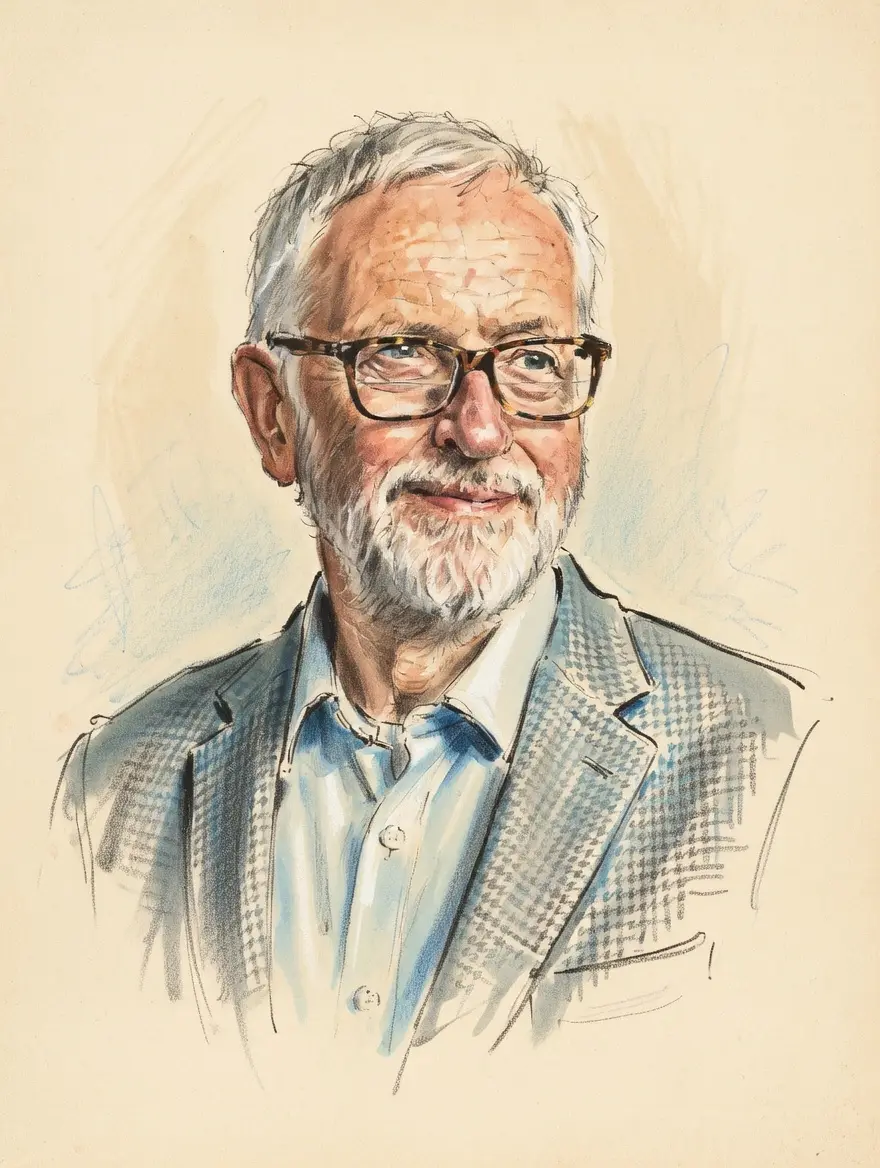
Jeremy Corbyn on China
TL;DR
Jeremy Corbyn has historically favored developing relations while also raising human rights and trade issues in discussions with Chinese leaders.
Key Points
He supported a parliamentary motion in 2021 that drew attention to the persecution of Uyghur Muslims in Xinjiang, China.
In a 2015 meeting with President Xi Jinping, he discussed human rights and the impact of Chinese imports on the UK steel industry.
A former adviser stated that Corbyn opposed a new Cold War with China, arguing it would damage British interests and workers.
Summary
Jeremy Corbyn, as Labour leader, presented a nuanced position on China, aiming to develop relations while also voicing concerns about specific issues. In 2015, following a meeting described as cordial and constructive with President Xi Jinping, the Labour party statement highlighted Chinese achievements in poverty reduction alongside Corbyn raising human rights and the impact of steel imports on UK industry. This suggests a commitment to maintaining dialogue, evidenced by historical Labour recognition of New China, while asserting the need to address ethical and economic concerns.
His approach has seen criticism from some for not adopting a consistently harder line, particularly regarding allegations of human rights abuses. Corbyn supported a parliamentary motion referencing the persecution of Uyghur Muslims in Xinjiang and questioned the government on corporate profits linked to the region in 2021. However, some analysis suggested his focus under the Labour leadership was limited, concentrating on opposing Western militarism and prioritizing domestic issues like Brexit, which sometimes led to a less confrontational stance than contemporaries on human rights issues like the Hong Kong protests.
Frequently Asked Questions
Jeremy Corbyn's position generally favours developing bilateral relations with China, acknowledging their achievements, while simultaneously insisting on raising human rights concerns. This mixed approach was evident in early engagements with Chinese leadership.
Yes, he did. Jeremy Corbyn publicly stated his support for a parliamentary motion highlighting the persecution of Uyghur Muslims in Xinjiang. He also questioned the government regarding British corporate links to manufacturing in that region.
While in the Labour leadership, his government's potential engagement was anticipated to balance economic ties with pressure on human rights and international law adherence. His supporters have advocated for pragmatism to avoid a new cold war.
Sources6
The Uyghur people in China – Jeremy Corbyn MP
Corbyn has 'cordial' exchange with Xi over China's rights record
China's power in the world, economically and politically, a fact not going to change: former Corbyn adviser
UK: Corbyn and Owen Jones line-up with anti-China campaign
Ambassador Liu Xiaoming Meets with Jeremy Corbyn, Leader of the Labor Party
Getting Tough: Labour's Role in Shaping UK China Policy
* This is not an exhaustive list of sources.