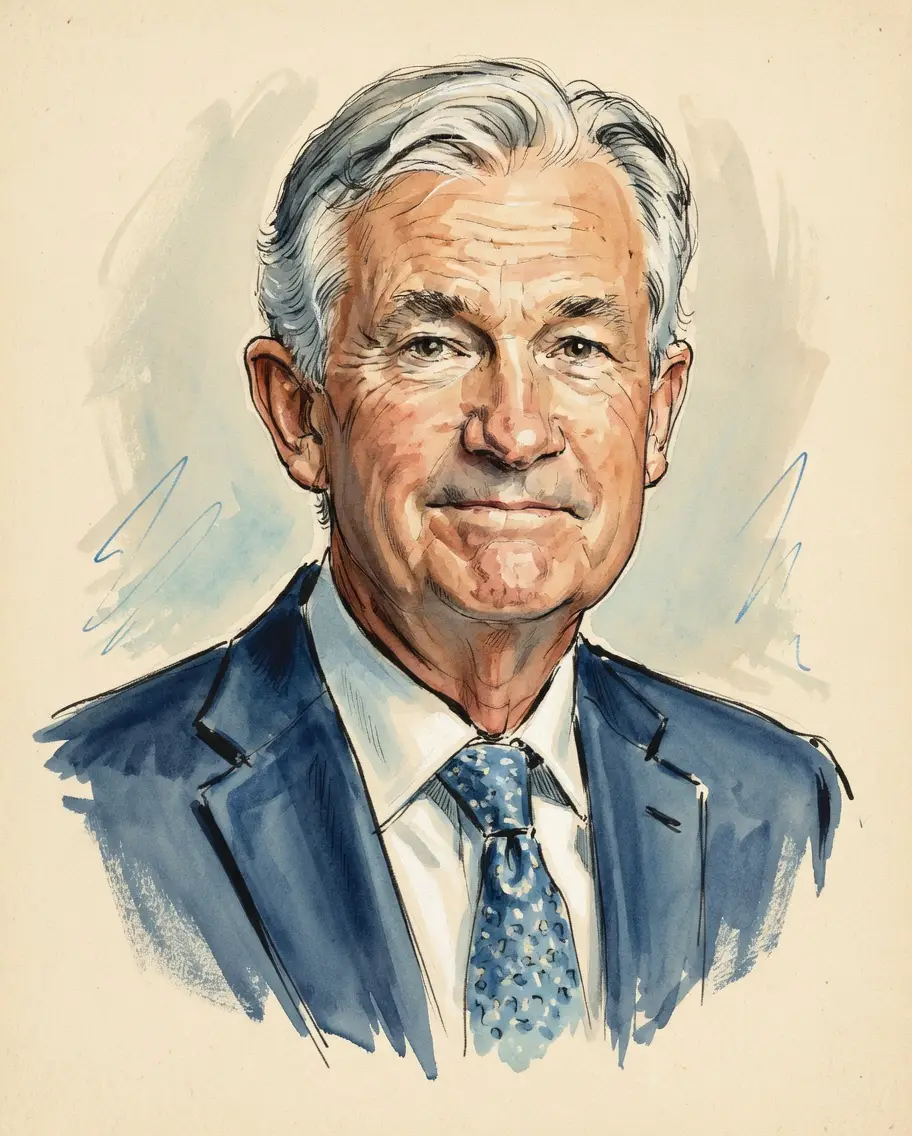
Jerome Powell on Labor Market
TL;DR
Jerome Powell views the labor market as resilient but slowing, necessitating a sustained restrictive policy stance to curb inflation.
Key Points
In September 2025, he described the U.S. economy as being in a “low-firing, low-hiring environment” as hiring and firing rates fell to near historical lows.
He has linked the persistent tightness in the labor market to the difficulty in achieving the central bank’s 2.0% inflation target, advocating for a restrictive policy stance.
Data analysis shows that in this environment, long-term unemployment is rising, and involuntary part-time employment has increased to levels not seen since January 2018.
Summary
Federal Reserve Chair Jerome Powell has characterized the U.S. labor market as exhibiting a “low-fire, low-hire” environment, indicating that firms have significantly reduced both hiring and firing rates by late 2025. He noted that while the unemployment rate has remained low, near 3.7% at one point, persistent strength in this area is complicating the Federal Reserve's efforts to reach its 2.0% inflation target, leading to a commitment to a "wait-and-see" approach. This equilibrium, where workers are staying put and job-switching has decreased, prevents a sharp rise in unemployment but also keeps wage growth sticky above a level consistent with price stability.
He has acknowledged that this cooling labor market, while avoiding a recession, presents difficulties for the unemployed and underemployed, with data showing rising long-term unemployment and more individuals in part-time roles involuntarily. The Chair's assessment, particularly regarding the need to bring inflation down to the central bank's goal, underpins the policy of maintaining restrictive interest rates, often termed "higher for longer," until sufficient labor market slack is generated to decisively lower price pressures.
Frequently Asked Questions
Jerome Powell currently views the labor market as resilient but demonstrating signs of cooling, specifically through a "low-fire, low-hire" dynamic where hiring and firing have slowed down significantly. He sees this situation as one factor that is contributing to inflation remaining above the Federal Reserve's target. Jerome Powell maintains that the Fed needs to see more softening to be confident in achieving price stability.
Yes, his focus has shifted from the initial post-pandemic labor shortages to a current concern over insufficient slack. Initially, the focus was on maximum employment amidst rapid hiring, but as of late 2025/early 2026, his commentary emphasizes that the labor market is too tight to permit inflation to fall to 2.0%. Jerome Powell has signaled a move toward a sustained restrictive stance to correct this imbalance.
Jerome Powell noted that as of late 2025, both hiring and firing rates have fallen to very low levels by historical standards, creating a stagnant environment. While this has kept the official unemployment rate low, he points out that it creates challenges for the unemployed and those seeking full-time work. He suggests this balance is a primary reason for the 'higher for longer' interest rate outlook.