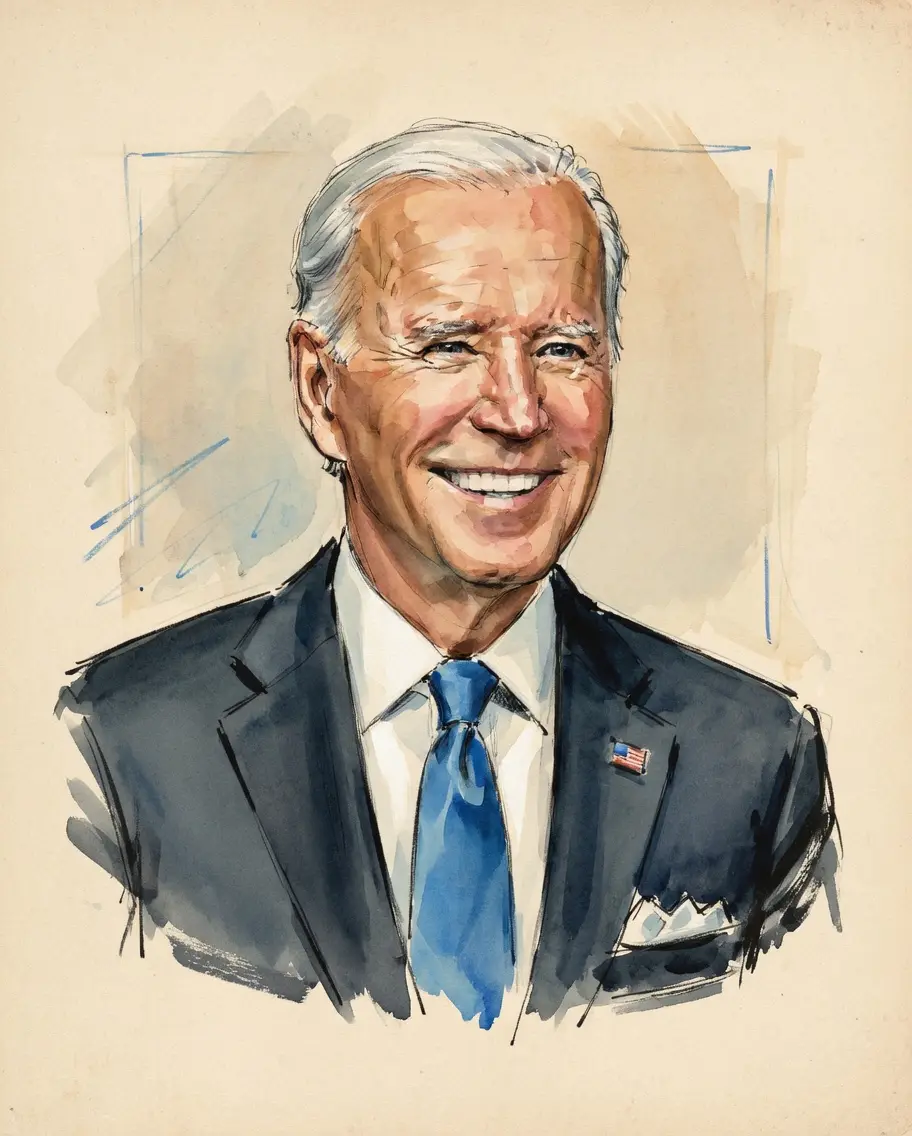
Joe Biden on North Korea
TL;DR
Joe Biden pursues calibrated, practical diplomacy focused on deterrence while maintaining the long-term goal of denuclearization.
Key Points
The administration’s policy is situated between the Obama-era “strategic patience” and the Trump administration’s high-level personal diplomacy.
He celebrated the trilateral partnership with South Korea and Japan to counter North Korea’s growing military partnership with Russia.
He stated he would not hold summits with Kim Jong-un until negotiations first yield preconditions that make a meeting more than a media spectacle.
Summary
Joe Biden’s core position on North Korea seeks a path between his predecessor’s personal diplomacy and the previous administration’s “strategic patience.” His approach calls for a calibrated, practical strategy that is open to diplomacy but will not rely on high-stakes summits without preconditions, viewing such meetings as potentially legitimizing the dictatorship without yielding results. The administration completed a policy review that determined the goal remains the complete denuclearization of the Korean Peninsula, but immediate efforts focus on making tangible progress that enhances regional security through stern deterrence and cooperation with allies.
This stance is characterized by a rejection of the previous administration’s approach, which some analysts argued led to a surge in North Korean provocations after snubbing Pyongyang. The current policy prioritizes strengthening trilateral security cooperation with South Korea and Japan to counter growing threats, including North Korea's dangerous and destabilizing cooperation with Russia. While officials have signaled readiness to meet with North Korean leaders, any one-on-one meeting would require a commitment from Pyongyang to discuss its nuclear arsenal first, contrasting with past approaches that granted legitimacy without tangible disarmament steps.
Frequently Asked Questions
Joe Biden's approach is a "calibrated, practical approach" that is open to diplomacy but avoids repeating past failures. He seeks to make concrete progress towards the denuclearization of the Korean Peninsula while simultaneously maintaining stern deterrence against Pyongyang's ongoing weapons development. The administration emphasizes strengthening alliances in the region to confront the threat.
He has not entirely ruled out a meeting with the North Korean leader, but indicated he would only meet if there was a commitment from Pyongyang regarding its nuclear arsenal. This commitment would need to be negotiated by officials prior to any summit to avoid merely providing legitimacy to the regime without substance.
The current policy aims to be different from both the preceding administration's "strategic patience" and the former President Trump's summitry. It is designed to be more active than the past hands-off approach, which allowed North Korea to continue building bombs, while being more structured than the engagement that provided personal legitimacy to the North Korean leader. [cite:5, cite:8]
Sources9
Biden says North Korea is not a greater threat now than it has been in past
Biden administration needs to get real on North Korea | Brookings
WATCH: Biden meets with South Korean and Japanese leaders to discuss concerns about North Korea
North Korea and Joe Biden: Principled Diplomacy Doesn't Mean Strategic Patience 2.0
Biden meeting Kim Jong Un would depend on North Korean leaders making commitment to denuclearization: report
North Korea prepares for 'dialogue and confrontation' with the US
The Biden Administration's North Korea Challenges
Joe Biden says he would meet with Kim Jong Un if he made a denuclearization commitment
Biden's Negligence Causes North Korea Threat to Surge
* This is not an exhaustive list of sources.