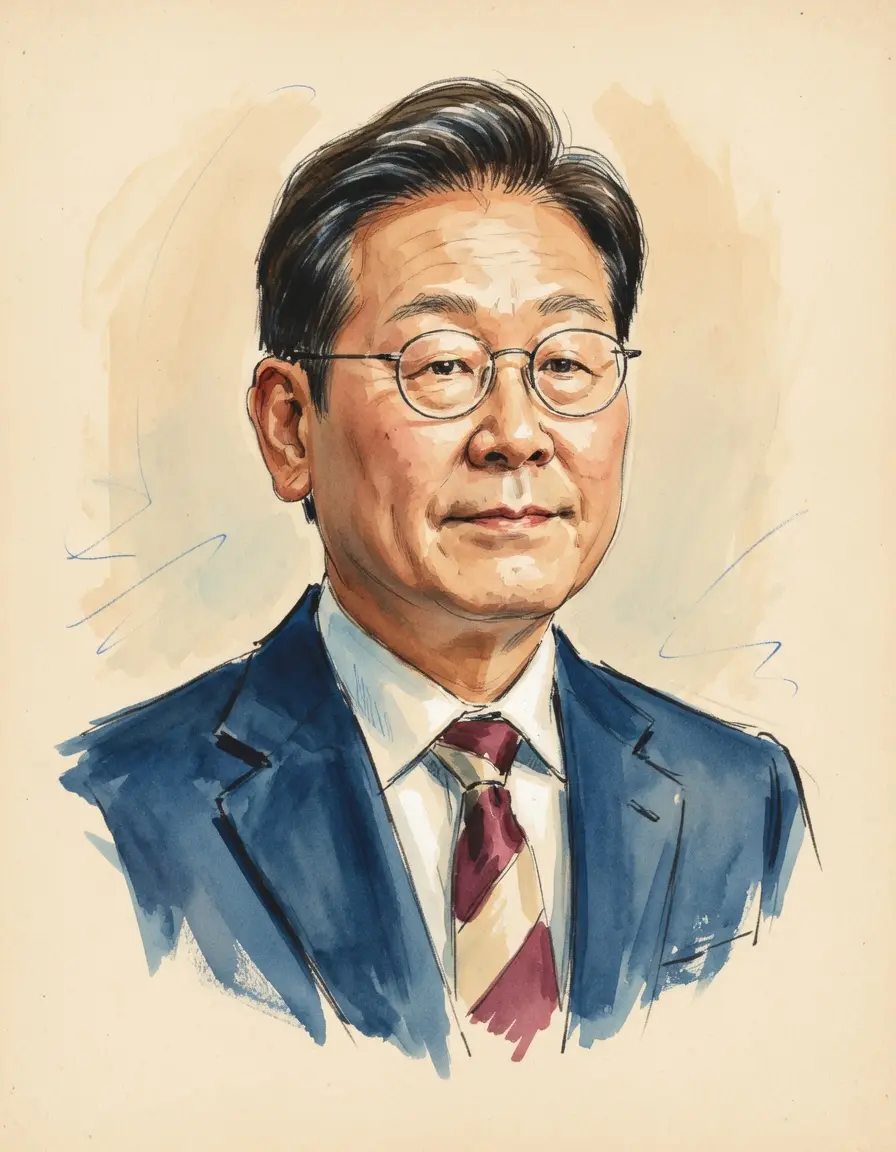
Lee Jae Myung on Energy Policy
TL;DR
Lee Jae Myung's energy policy is evolving toward an energy mix prioritizing stable supply, acknowledging nuclear necessity amid AI power demands.
Key Points
He confirmed in January 2026 that the government would proceed with constructing two new large reactors as outlined in the 11th Basic Plan to ensure stable power supply.
The administration is working on the 12th Basic Plan for Electricity Supply and Demand, which will determine the energy mix proportion between renewables, nuclear, and fossil fuels.
His past positions included advocating for a "reduced nuclear power" policy, distinguishing it from a total phase-out, while emphasizing renewables as the immediate solution for power supply.
Following his inauguration, South Korea committed to a 2040 coal phase-out at COP30, while also joining the Powering Past Coal Alliance.
Summary
Lee Jae Myung's approach to energy policy has shown an evolution, particularly concerning nuclear power, driven by emerging demands for stable electricity, such as those from the expanding Artificial Intelligence industry. Initially, he was associated with policies favoring renewable energy expansion and has historically expressed concerns about nuclear safety, once labeling it a "ticking time bomb" and pledging to pursue "zero nuclear power" in 2017. However, in early 2026, he signaled a shift, acknowledging the need to "steadily prepare for the energy transition" and citing the massive power requirements of data centers, leading to interpretations that he is moving away from a strict renewable-only focus.
This pivot is evidenced by the administration's decision to proceed with two new large-scale reactors included in the existing 11th Basic Plan for Electricity Supply and Demand, despite previous preferences. The current stance appears to favor a pragmatic energy mix that guarantees stable power supply, contrasting with his earlier campaign pledges that emphasized quicker renewable deployment over nuclear, which takes longer to construct. The government appears to be balancing an increased focus on renewables with the immediate necessity of nuclear capacity to meet surging industrial electricity needs, although this mixed narrative generates internal and external policy debate.
Frequently Asked Questions
Lee Jae Myung's current stance leans toward pragmatism, acknowledging the necessity of nuclear power to meet massive electricity demands, particularly from the AI industry. While he has a history of opposing nuclear power, he has since shifted to supporting an energy mix that includes existing and planned reactors for stable supply.
Yes, Lee Jae Myung's position has appeared to evolve, moving from an earlier emphasis on renewable energy to acknowledging the critical role of nuclear power. This change is linked to the growing energy requirements of data centers and strong public support for nuclear energy.
Lee Jae Myung has pledged to build smart, resilient energy infrastructure that blends green energy with digital technologies, reflecting a desire to modernize the energy system. However, he has also noted that renewables alone cannot easily meet the surging, immediate power demands required by industry.