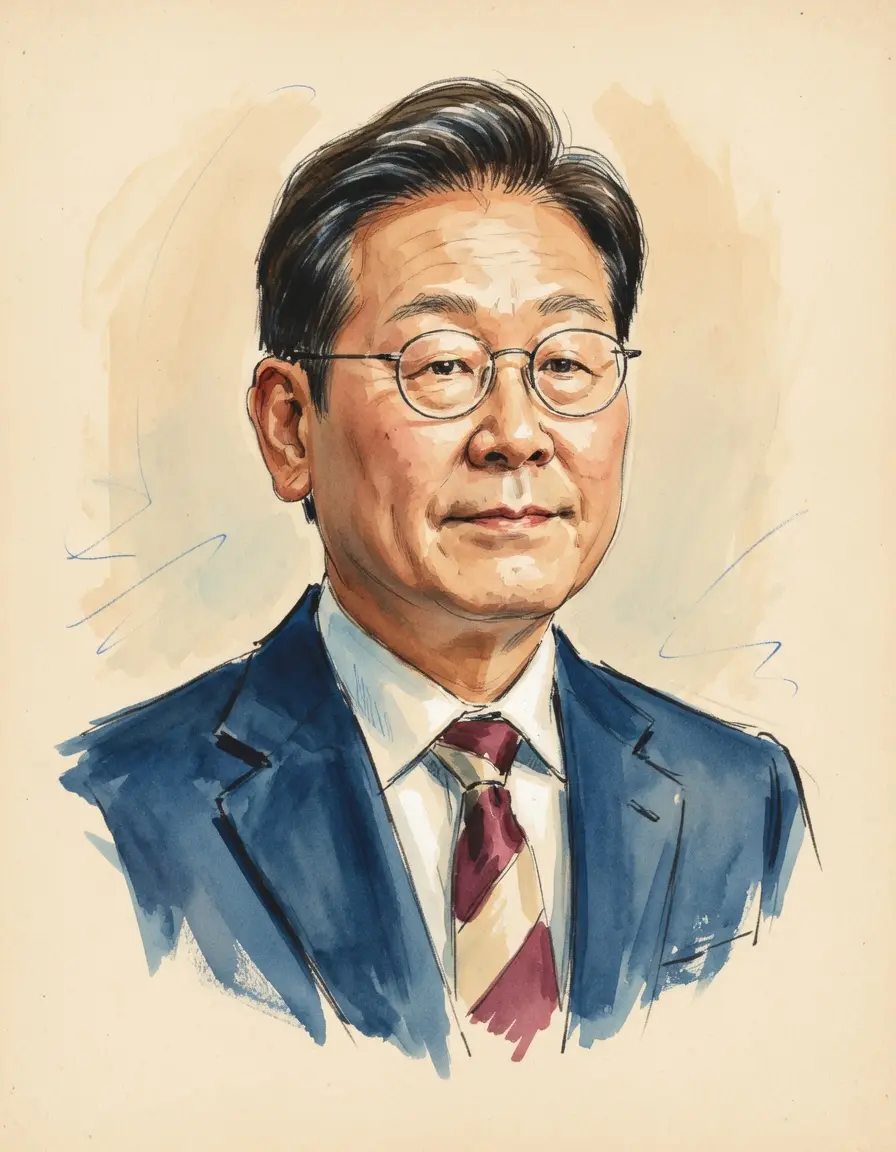
Lee Jae Myung on Feminism
TL;DR
Lee Jae-myung largely avoided explicit stances on gender equality in his recent campaign, despite strong youth support from women.
Key Points
He received 58.1 percent of the vote from women in their twenties during the 2025 snap election.
He largely avoided explicit discussion of gender equality during the 2025 presidential campaign, unlike his predecessor.
He previously pledged to increase the proportion of women in ministerial roles to a minimum of 30 percent.
Summary
Lee Jae-myung's stance on feminism and gender equality appears pragmatic, focusing on broad issues of political cohesion following a deeply polarized election. While young women strongly supported his progressive campaign, constituting 58.1 percent of his twenties-age vote share, he notably avoided making explicit commitments on gender equality issues during the 2025 snap election. This contrasts with the previous administration, which actively mobilized an anti-feminist platform that successfully won over young male voters. The election underscored a significant political and gender divide, with young women driving progressive support and young men leaning conservative, often expressing resentment over perceived reverse discrimination.
Facing an uphill battle to unite the country, the new administration is expected to move away from the pronounced anti-feminist rhetoric of his predecessor. Despite young women being at the forefront of the protests that led to the former president's impeachment, gender equality concerns were largely absent from the main campaign agendas for all male candidates, including him. An earlier pledge by Lee to raise the proportion of women in ministerial roles to at least 30 percent suggests a recognition of the need for greater representation, but his current approach emphasizes broader socioeconomic challenges to address the underlying resentment fueling gender polarization.
Frequently Asked Questions
Lee Jae-myung has taken a relatively cautious approach to feminism, largely avoiding overt statements on the issue during his recent presidential bid. While his progressive platform garnered strong support from young women, he has focused more on unifying the country and addressing socioeconomic factors that fuel gender resentment.
No, feminists noted that gender equality was largely absent from his campaign agenda, despite the significant role young women played in political movements preceding the election. This pragmatic omission was likely an effort to broaden his appeal beyond the deeply polarized gender politics.
Yes, Lee Jae-myung had previously pledged a specific target of raising the proportion of women in ministerial positions to at least 30 percent. However, it remains unclear how readily he will prioritize this goal amidst other pressing national challenges.