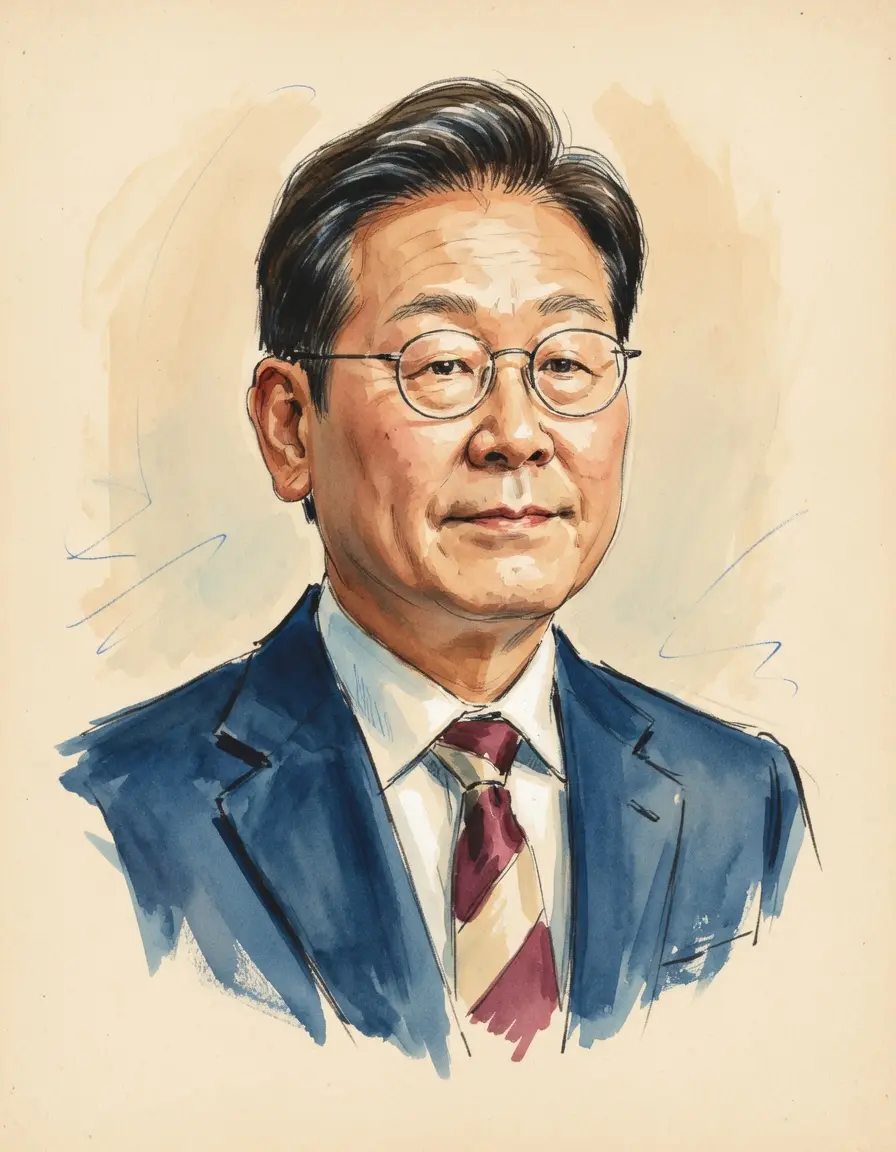
Lee Jae Myung on Political Ideology
TL;DR
Lee Jae Myung aligns with progressive, reformist politics, emphasizing economic justice and challenging established political structures.
Key Points
He has been described as advocating for a reformist path within the liberal camp of South Korean politics.
His political career has involved positions that often challenge established political and economic norms.
He has advocated for cracking down on alleged collusion between religious and political powers, a governance issue.
Summary
Lee Jae Myung's political ideology is generally situated on the progressive side of the South Korean political spectrum, often characterized by a strong focus on economic democratization and radical reform. He has frequently advocated for policies aimed at reducing social inequality, supporting welfare expansion, and restructuring the nation's powerful conglomerates, reflecting a belief in a more interventionist state role in the economy. This stance has positioned him as a figure advocating for substantial change within the established system, drawing support from those desiring a shift away from the perceived conservatism of previous administrations.
This progressive orientation has informed his approach to various issues, including public administration and social policy, often placing him in opposition to more conservative factions. His history as a human rights lawyer and mayor shows an evolution toward national leadership, where his calls for systemic change have been framed as necessary for national progress and stability. While operating within the liberal Democratic Party, his brand of progressivism is sometimes seen as distinctly populist, appealing directly to the electorate on issues of fairness and accountability.
Frequently Asked Questions
Lee Jae Myung's core political ideology is largely progressive and reformist, emphasizing economic equality and structural changes within South Korean society. He often advocates for a stronger government role in ensuring social welfare and reducing disparities. His overall vision centers on modernizing the nation's systems to better serve the general populace.
While his fundamental progressive leanings appear consistent, the scope of his ideological application has evolved as he moved from local governance to national politics. His policy proposals have become more comprehensive, addressing national economic structures rather than just regional issues. The core drive for reform remains a constant feature.
Lee Jae Myung is frequently labeled as a liberal or progressive figure within South Korean politics, though some analyses also highlight populist elements in his appeal. His supporters often see him as a dynamic reformer pushing necessary change. Others might view his approach as too radical for the current political consensus.
Sources8
How a former factory worker rose to South Korea’s presidency
Analyzing Lee Jae Myung's Political Ideology and Policy Perspectives
A South Korean conservative identity crisis as political tides shift
A Systematic Literature Review on South Korea’s Political Division and Polarization
How divided is South Korea a year after martial law fiasco?
President Lee vows crackdown on alleged religious-political collusion
Anti-feminism and South Korea’s presidential election
The best way to ease judicial risks? Become a successful president
* This is not an exhaustive list of sources.