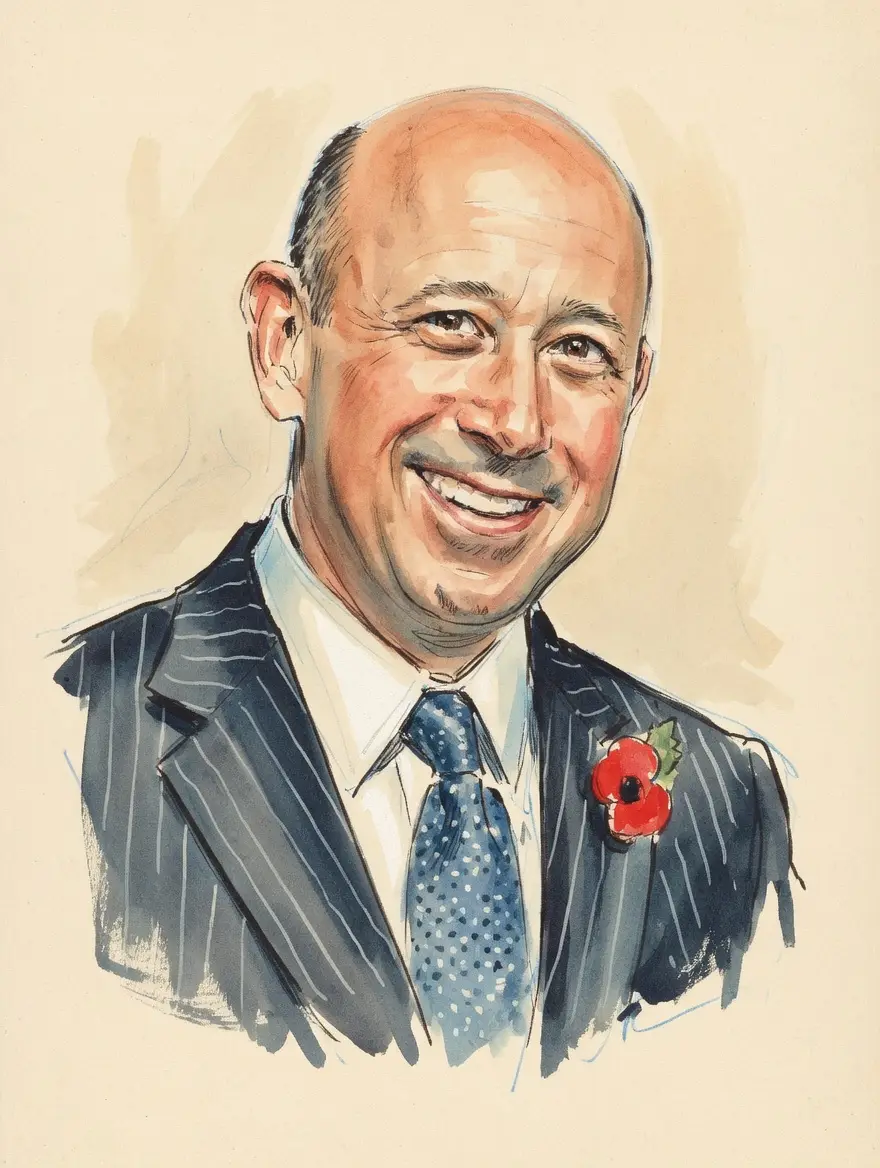
Lloyd Blankfein
- Known for
- Goldman Sachs CEO, Investment banker
- Born in
- Bronx, United States
- Education
- J.D., Harvard College
Lloyd Blankfein is a towering figure in global finance, known for his long tenure as Chairman and CEO of Goldman Sachs from 2006 to 2018. Rising from a commodities salesman to the helm of one of the world's most powerful investment banks, his career is defined by navigating the 2008 financial crisis and securing Goldman Sachs' dominance.
Signature Positions
Blankfein's tenure and public statements highlight specific stances on business, politics, and society:
- 2008 Financial Crisis: Defended Goldman Sachs' role as a market maker, testifying that the firm had no moral obligation to inform clients about betting against products they sold.
- Wealth Tax: Strongly opposes wealth taxes on billionaires, criticizing proposals like Elizabeth Warren's and expressing a 'lack of appreciation' for Wall Street executives.
- COVID-19 Response: Advocated for quickly reopening economies during the pandemic, arguing that extreme lockdowns were too damaging to livelihoods.
- Environmental Policy: Publicly condemned President Trump's withdrawal from the Paris Accord in his first-ever tweet.
- Social Issues: A supporter of gay marriage and an advocate for LGBTQ+ civil rights through his involvement with the Human Rights Campaign.
Notable Tensions
Blankfein’s career and political profile reveal several points of tension:
- Client vs. Profit: Faced criticism from former executive Greg Smith, who alleged Goldman prioritized firm profits over client interests while Blankfein was CEO.
- Political Alignment: Identifies as a registered Democrat but holds fiscally conservative views, donating to both Democratic and Republican Senate campaigns.
- Compensation Debate: Earned substantial compensation (e.g., $24M in 2018) while simultaneously recommending guidelines to overhaul executive pay post-crisis.
As the successor to Henry Paulson, Blankfein solidified Goldman Sachs' position as the second-largest investment bank in the U.S. by capitalizing on low interest rates following the 2008 crisis. His influence led to recognition as Financial Times Person of the Year in 2009 and numerous mentions on Time's most influential lists.