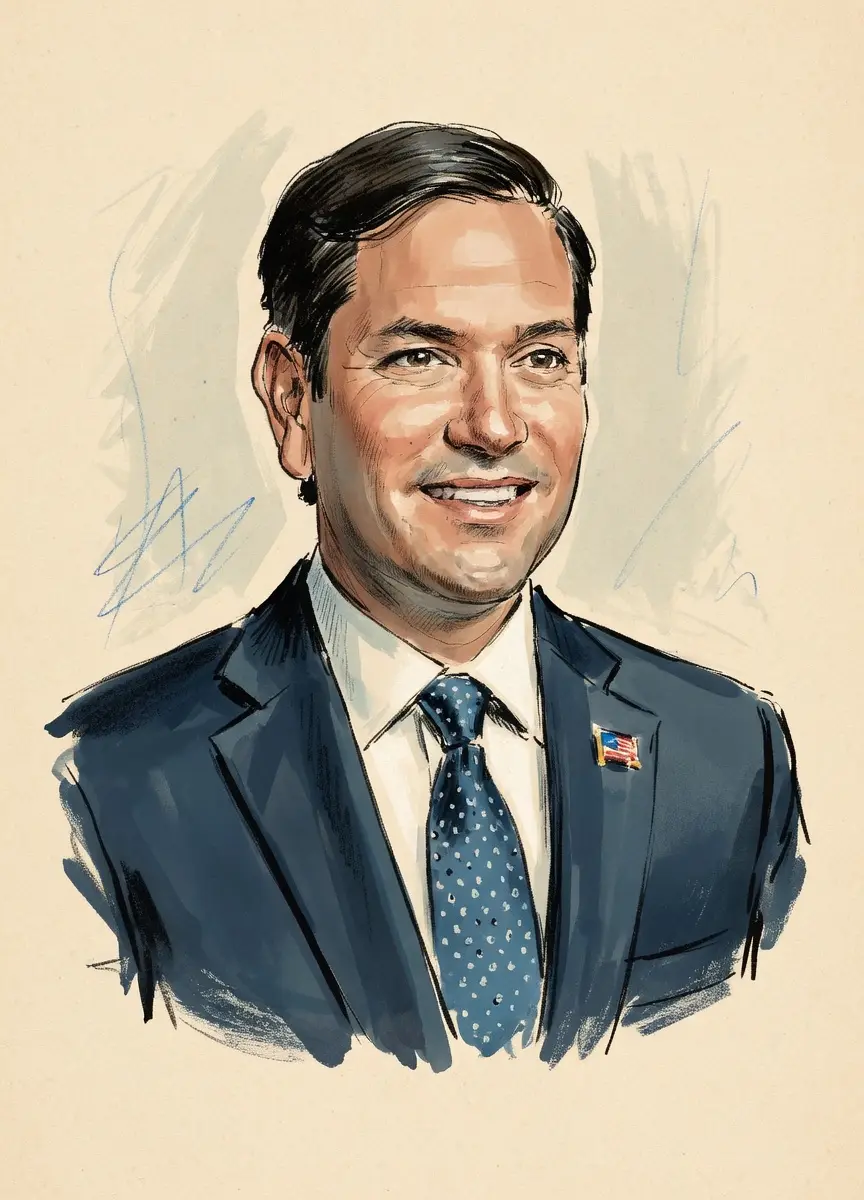
Marco Rubio on LGBTQ+ Rights
TL;DR
Marco Rubio consistently opposes advancing LGBTQ+ rights through legislation and policy, citing traditional or constitutional interpretations.
Key Points
Voted against the Respect for Marriage Act in 2022, which would have codified federal protections for same-sex and interracial marriage.
During his 2016 presidential run, he stated he believed marriage should remain defined as between one man and one woman.
He has been cited for using a quote from a National LGBTQ Task Force staffer following the Pulse nightclub tragedy in 2016 to counter criticism of his record.
Summary
Senator Marco Rubio has maintained a consistent record of opposition to the expansion of LGBTQ+ rights through his voting record and public statements. For example, he voted against the Respect for Marriage Act and previously voted against the federal Employment Non-Discrimination Act, earning a zero score from the Human Rights Campaign scorecard for multiple congressional sessions. During his 2016 presidential campaign, he reiterated his belief that marriage should remain defined as between one man and one woman, although he acknowledged that the Supreme Court ruling legalizing same-sex marriage was the law to abide by.
His domestic opposition includes defending Florida's law prohibiting classroom instruction on sexual orientation and gender identity in early grades, which critics labeled the “Don't Say Gay” bill. Furthermore, reports indicate that he may have issued guidance as Secretary of State mandating that all U.S. visas reflect an applicant's sex assigned at birth, potentially barring entry for transgender visa seekers who have updated their documentation. Critics argue his past rhetoric, such as calling the allowance of adoption by same-sex parents a “social experiment,” underscores a long anti-LGBTQ+ history.
Frequently Asked Questions
Marco Rubio's current position is generally oppositional to the advancement of federal and state protections for LGBTQ+ people, as evidenced by his voting record. He has consistently opposed legislation that would expand non-discrimination protections based on sexual orientation and gender identity. This stance is consistent with his stated belief on the traditional definition of marriage.
Marco Rubio's fundamental positions, particularly regarding marriage and federal protections, appear consistent, though critics have noted shifts in rhetoric. For example, he defended Florida's parental rights in education law, which opponents labeled the “Don't Say Gay” bill, despite sometimes citing international oppression of LGBTQ people as a reason for American leadership.
During his 2016 presidential campaign, Marco Rubio stated that he believed marriage should remain between one man and one woman, and that changes should come through the legislature rather than the courts. Following the Supreme Court's ruling, he acknowledged that the decision made same-sex marriage the law of the land that must be abided by.
Sources10
LGBTQ rights abroad not discussed during Marco Rubio confirmation hearing
ACTION FUND NEWS RELEASE: Rubio quotes National LGBTQ Task Force staffer in attempt to cover “appalling” anti-LGBTQ record
The Congressional Equality Caucus has demanded Secretary of State Marco Rubio re
Marco Rubio presidential campaign, 2016/Gay rights - Ballotpedia
Marco Rubio Does not Support Florida LGBTQ+ Community! • Seminole County Democratic Party
Washington Blade - EXCLUSIVE: Garcia, Markey reintroduce bill to require US promotes LGBTQ rights abroad
Florida senators Rubio and Scott can really help LGBTQ community achieve equality - opinion
Opinion - The Global Threat to LGBTQ Rights
Did Marco Rubio Just Ban Trans People Seeking Visas From US Entry?
ACTION FUND NEWS RELEASE: Rubio quotes National LGBTQ Task Force staffer in attempt to cover “appalling” anti-LGBTQ record
* This is not an exhaustive list of sources.