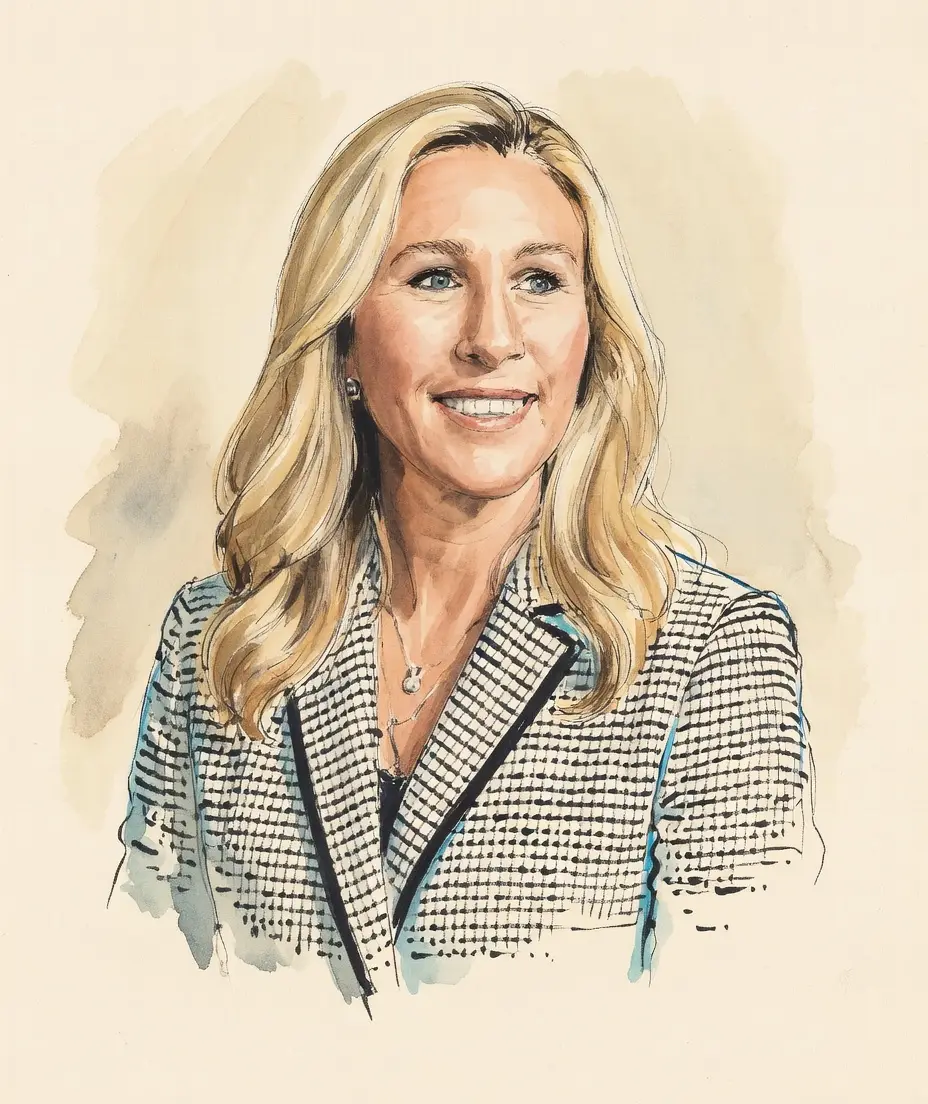
Marjorie Taylor Greene on Inflation
TL;DR
Marjorie Taylor Greene strongly blames current high inflation and cost of living on the administration's policies.
Key Points
She claimed it is a mistake for the president to call for a budget shutdown to reduce inflation in 2025, as stated in a May 2024 post.
She has publicly criticized the former president's assessment of food price inflation, asserting that the reality for consumers is much higher than stated.
She directly asserted that foreign policy decisions, such as a war with Iran, would not lower the cost of living or alleviate inflation.
Summary
Marjorie Taylor Greene has consistently framed high inflation and the rising cost of living as a major economic failure of the current administration. She frequently emphasizes the increased prices for essentials like gasoline and groceries, asserting that these economic conditions directly harm American families' financial stability. Her position is rooted in the belief that excessive government spending and specific federal policies are the direct catalysts for the sustained price increases experienced by consumers.
This critique of economic conditions has extended into her relationship with the former president, where she has publicly called him out for suggesting that high prices are not an issue or for downplaying the severity of the cost of living crisis. She maintains that lowering costs for everyday necessities should be a primary focus of leadership, often suggesting that alternative approaches or policy shifts would yield immediate relief for struggling households.
Frequently Asked Questions
Marjorie Taylor Greene's position is strongly negative; she views high inflation and the rising cost of living as a significant economic failure. She directly attributes these price increases to the policies enacted by the current administration, particularly excessive spending. The congresswoman consistently advocates for policies that would directly lower the costs of everyday necessities for American families.
The provided context does not indicate a change in her core stance, which is that inflation is harmful and caused by current governmental policies. However, her criticism has been directed at multiple figures, including the former president when she disagreed with his assessment of the economic situation. This suggests an evolving application of her criticism rather than a shift in her fundamental opposition to high inflation.
The congresswoman stated that engaging in a war with Iran would not serve to lower inflation or make the cost of living more affordable. This shows she connects specific foreign policy choices to domestic economic conditions like inflation. She views such escalations as detrimental to the goal of reducing financial strain on households.
Sources9
Rep. Marjorie Taylor Greene reacts to President Trump touting the economy
Marjorie Taylor Greene, Donald Trump, shutdown, 2025, elections, affordability
Asked about Marjorie Taylor Greene, Trump says she’s 'lost her way'
Marjorie Taylor Greene 'demolishes' Trump for saying food prices are falling
Trump says Rep. Marjorie Taylor Greene's lost her way after calling him out on inflation
Marjorie Taylor Greene: Trump lie about food prices and inflation
Do you agree with former Georgia Republican Rep. Marjorie Taylor Greene's statement 'War with Iran does not lower inflation and make cost of living affordable'?
Trump says Rep. Marjorie Taylor Greene's lost her way after calling him out on inflation
* This is not an exhaustive list of sources.