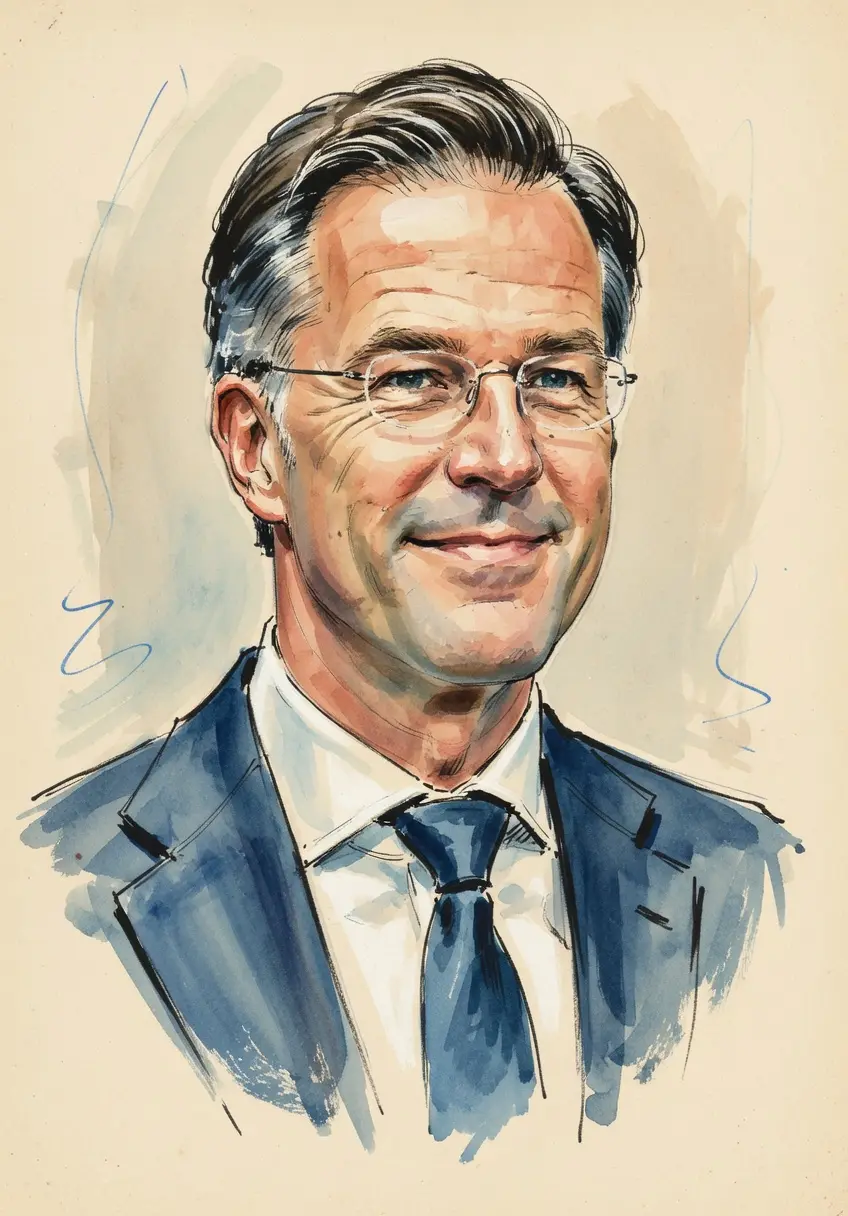
Mark Rutte on China
TL;DR
Mark Rutte views China as an aligning authoritarian peer challenger that necessitates stronger NATO collective defence and Indo-Pacific cooperation.
Key Points
He stated that Russia and China are aligning and challenging the international order as of January 2026.
He stressed the need to prevent Russia and China from gaining access to Greenland's economy or military infrastructure.
Rutte advocates for NATO deepening cooperation with Indo-Pacific partners to deter aggression.
Summary
Mark Rutte, in his capacity as NATO Secretary General, has strongly emphasized the growing challenge posed by China, particularly noting its military expansion and alignment with Russia. He has explicitly warned that if China were to attack Taiwan, it could spur Russia into creating a parallel conflict in Europe, thereby demonstrating that transatlantic and Indo-Pacific security are intrinsically linked. Rutte has actively urged allies to pay heed to the risks from China, Russia, North Korea, and Iran, framing them as authoritarian powers coordinating to undermine the international order.
His position advocates for a strengthened NATO posture, urging deeper cooperation with Indo-Pacific partners like South Korea, Japan, and Australia to effectively deter potential aggression. Regarding the Arctic, he stated that NATO must collectively work to prevent Russia and China from gaining military or economic access to the region, highlighting strategic concerns beyond the immediate European theatre. While stressing the need for a division of labor between NATO and the EU, his overall stance is one of proactive vigilance and collective defense preparation against systemic challenges emanating from Beijing.
Frequently Asked Questions
Mark Rutte currently holds a strong, challenging view of China, particularly in his role as NATO Secretary General. He consistently frames China as part of an authoritarian alignment, alongside Russia, that actively seeks to undermine global peace and the international order. He believes this necessitates a robust collective defense strategy for NATO.
Yes, he has warned that a Chinese attack on Taiwan could trigger a parallel conflict in Europe involving Russia. He stressed that such a scenario illustrates the growing interconnection between security in the Indo-Pacific and the Euro-Atlantic regions. This observation is central to his argument for greater allied preparedness.
He stated that NATO must collectively take more responsibility for Arctic defense to prevent both Russian and Chinese influence from expanding there. Specifically concerning Greenland, he emphasized ensuring neither country gains access to its economy or military infrastructure. This forms part of a broader NATO strategy for the High North.
Sources7
Remarks by NATO Secretary General Mark Rutte | NATO Transcript
Highlights: NATO chief's interview with Reuters
MOFA response to NATO Secretary General Rutte's statements in joint press conference with German Chancellor Merz on China's military expansion
NATO chief Rutte: China and Russia Could Launch Simultaneous Attacks on Taiwan and Europe
NATO chief Mark Rutte warns that if China invades Taiwan, it could push Russia to...
NATO chief says Russia, China must not gain access to Greenland's economy, military infrastructure
Li Keqiang Holds Virtual Meeting with Dutch Prime Minister Mark Rutte
* This is not an exhaustive list of sources.